
Effective onboarding for care coordinators shapes staff experiences and facilitates retention. The process involves four stages: preboarding, orientation, training, and ongoing development. Preboarding includes sending welcome packets and collecting documents. Orientation familiarizes new hires with company policies and expectations, while training focuses on skills acquisition and compliance. Ongoing development ensures full employee integration and support.
Key Takeaways
- Care coordinators bridge the gap between patients, families, and healthcare professionals, handling responsibilities such as health plan management and administrative tasks
- The onboarding process includes four stages: preboarding, orientation, training, and ongoing development, each of which enhances the employee experience
- Onboarding software can streamline the onboarding processes, automate workflows, track statuses, and enhance training capabilities
- Onboarding software can streamline the onboarding processes, automate workflows, track statuses, and enhance training capabilities
The first 90 days in a care coordination role matter, as they shape new staff's experience and your ability to retain employees. Investing in a robust, structured employee onboarding process ensures that care management staff receive the support they need to deliver high-quality client care.
What Are The Responsibilities Of A Care Coordinator?
Care coordinators are important members of healthcare teams responsible for developing care plans and serving as the bridge between patients, their families, and medical professionals. They work in various healthcare settings, including home health agencies, hospitals, home care institutions, nursing facilities, and physician offices.
Some of their responsibilities include:
- Helping patients with paperwork
- Create and monitor health plans
- Maintaining open lines of communication between clients, their families, and medical professionals
- Educating patients about their healthcare options
- Facilitating referrals to specialists
- Handling administrative tasks such as creating work schedules
What Is The Onboarding Process In Healthcare?
An effective onboarding program in healthcare begins shortly after the recruitment process. It includes four major stages: preboarding, orientation, training, and ongoing development. Creating an onboarding checklist for each of these stages ensures you build on the positive employee experience from the hiring process.
Here's a breakdown of some of the activities in each stage:
Preboarding is the first stage, which begins soon after a new recruit accepts a job offer. It involves the following activities:
- Sending a welcome packet immediately after a new hire accepts the job offer
- Collecting the necessary documents for HR compliance. These include tax forms, employment forms, and certifications
- Creating employee accounts and emails
- Sending a copy of your employee handbook and organizational policies
- Sending an introductory email with information about the organization and existing team members
The orientation stage familiarizes the new hire with the organization and helps them settle into their new job. It involves:
- Provide a physical tour of the facility, including introductions to team members
- Assign a mentor to provide one-on-one support as the new team member adjusts to the work environment
- Review the job description to ensure your care manager understands their roles and responsibilities
- Review the 30-60-90 onboarding plan so they understand what to expect throughout the onboarding process
- Introduce your employees to the organization's policies, code of conduct, employee benefits, and important contacts
- Setting clear expectations for performance during the onboarding period
Training takes up most of the onboarding time. It aims to support new hires in acquiring the skills, knowledge, and competence needed to coordinate healthcare services and ensure regulatory compliance. The key components of employee training include:
- Role-specific training
- Safety and compliance training (mandatory training)
- Cultural immersion (company culture)
- Mentorship, job shadowing, and hands-on training
Ongoing development is the last stage of the onboarding process that facilitates full integration of new hires into the organization while laying the groundwork for long-term retention. Some of the activities in this stage include:
- Scheduling regular check-ins throughout the onboarding period
- Maintaining channels for open communication and feedback, to ensure new care coordinators can seek the necessary support
- Providing ongoing training and support to facilitate continuous improvement
How Can Technology Be Used In Care Coordinator Onboarding?
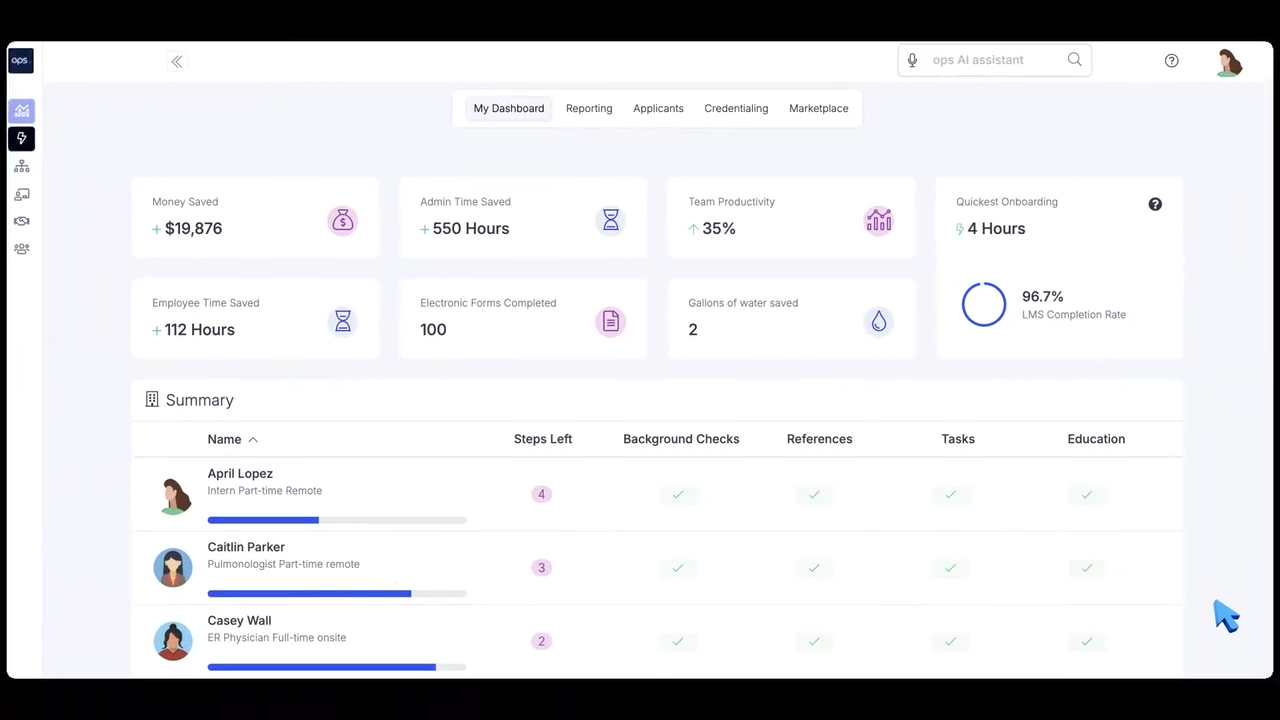
Onboarding software offers healthcare organizations a comprehensive tool to streamline the onboarding process. Tools such as ops.work have various functionalities that enhance the onboarding experience for teams and new hires. Sign up for the free plan to explore the various ways you can use ops.work to improve your onboarding process:
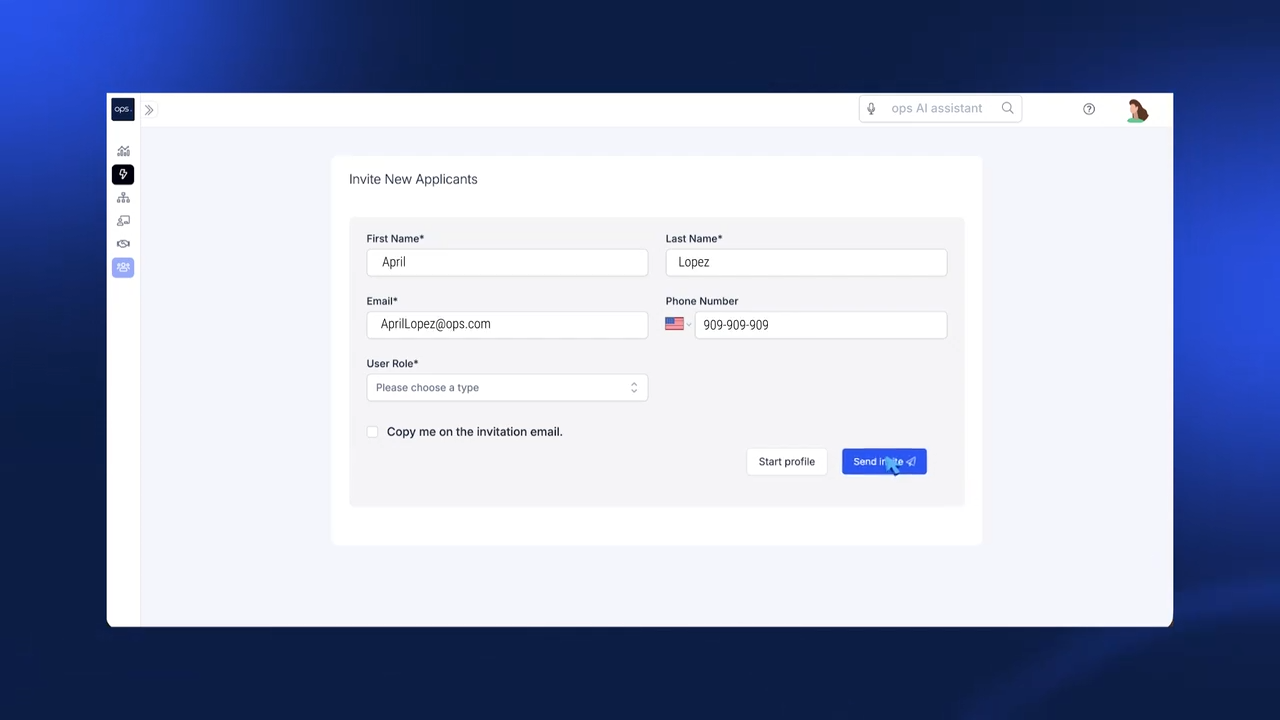
Invite new applicants onto your platform and create comprehensive employee profiles.
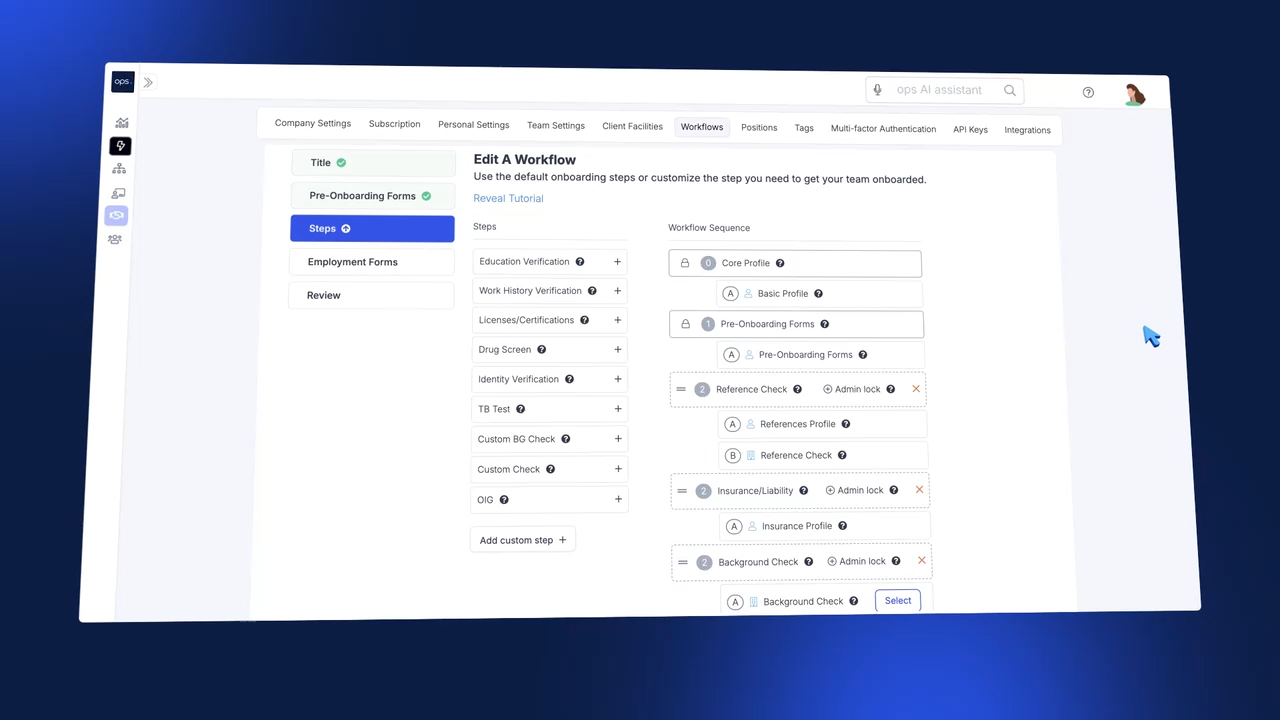
Create automated workflows to optimize manual processes such as credentialing and task management.
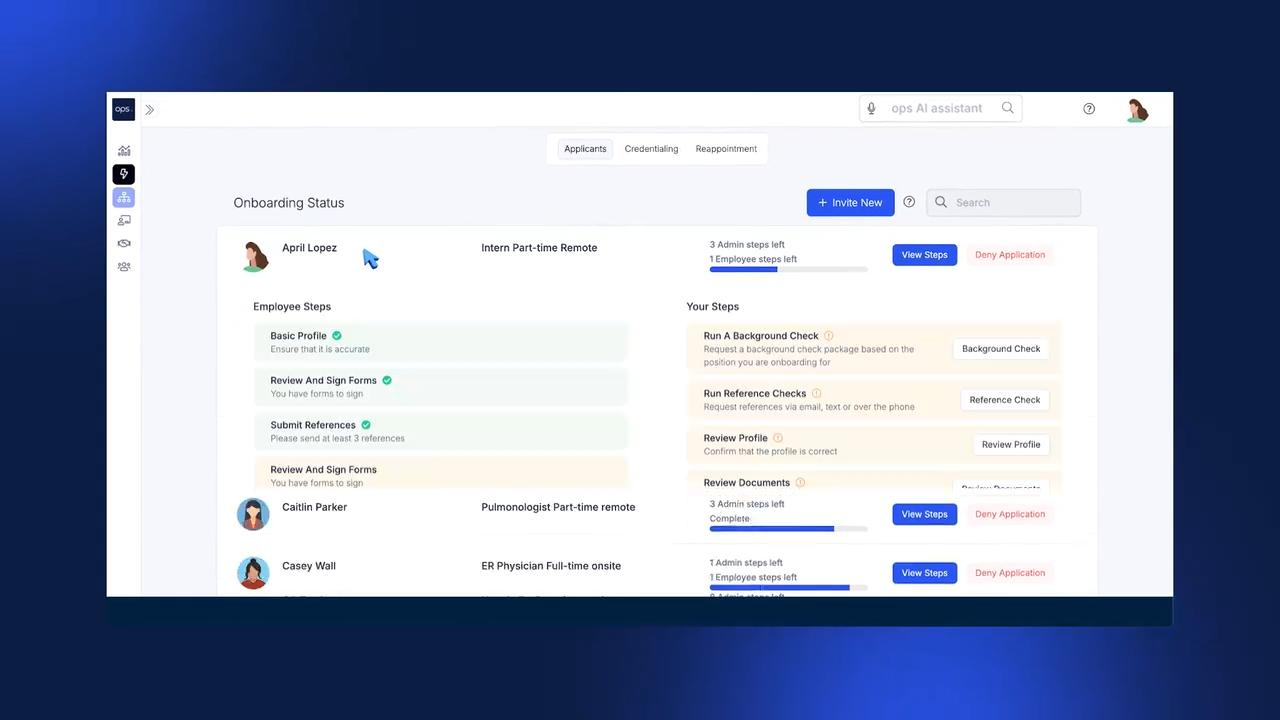
Track the onboarding status
Create comprehensive training modules to equip your care team with the technical and soft skills needed to succeed
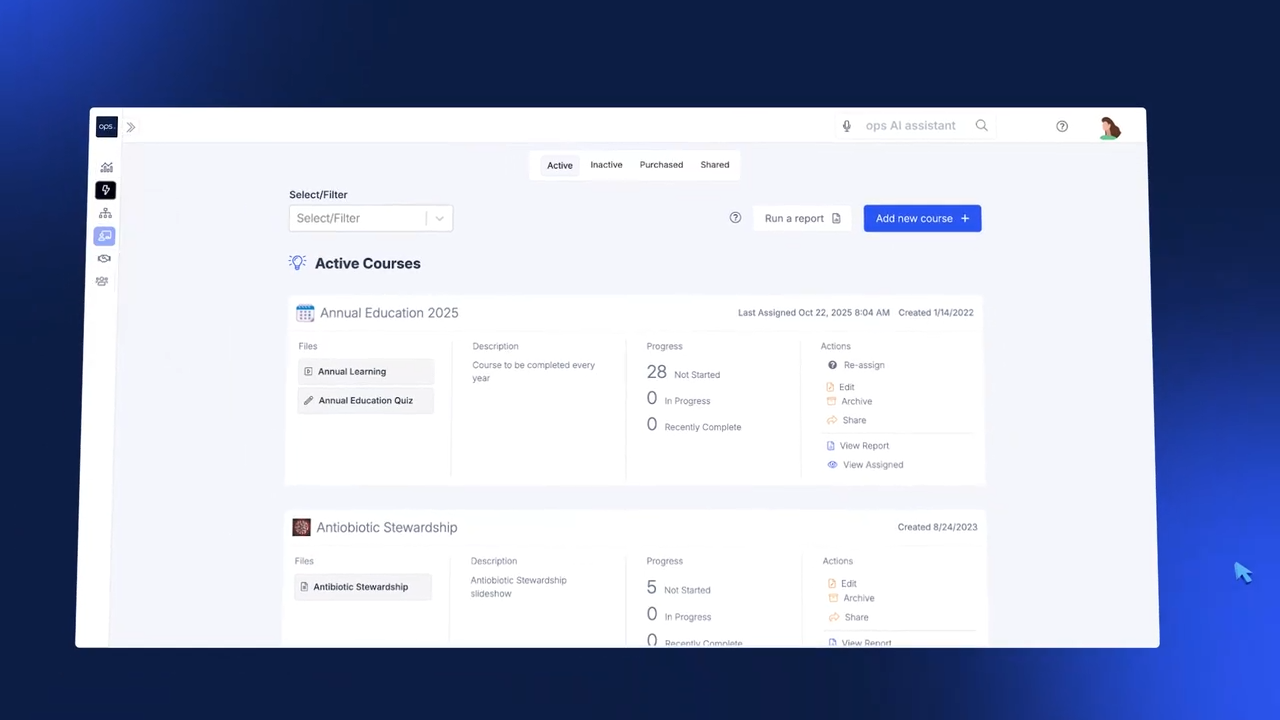
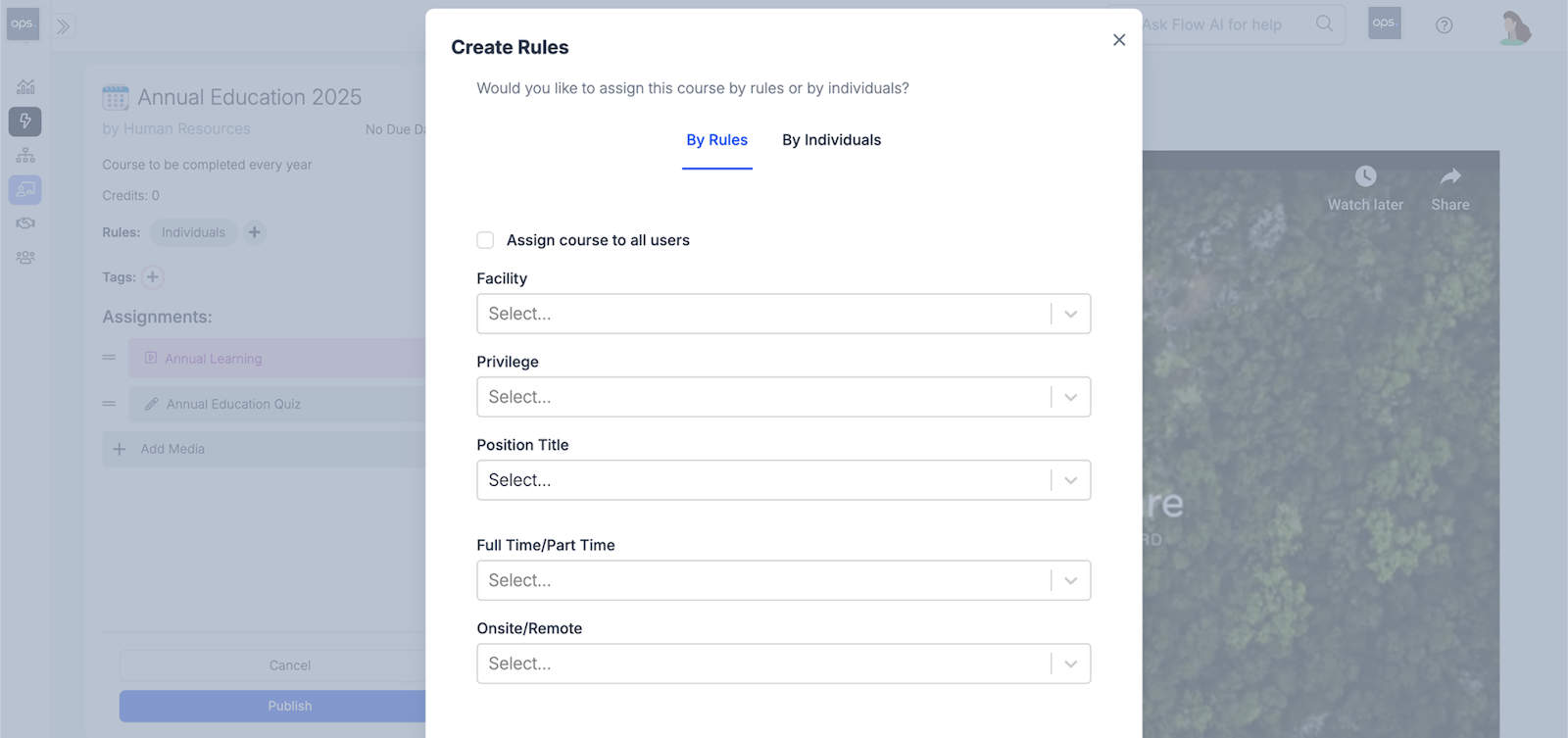
Assign training materials based on role or other predetermined rules
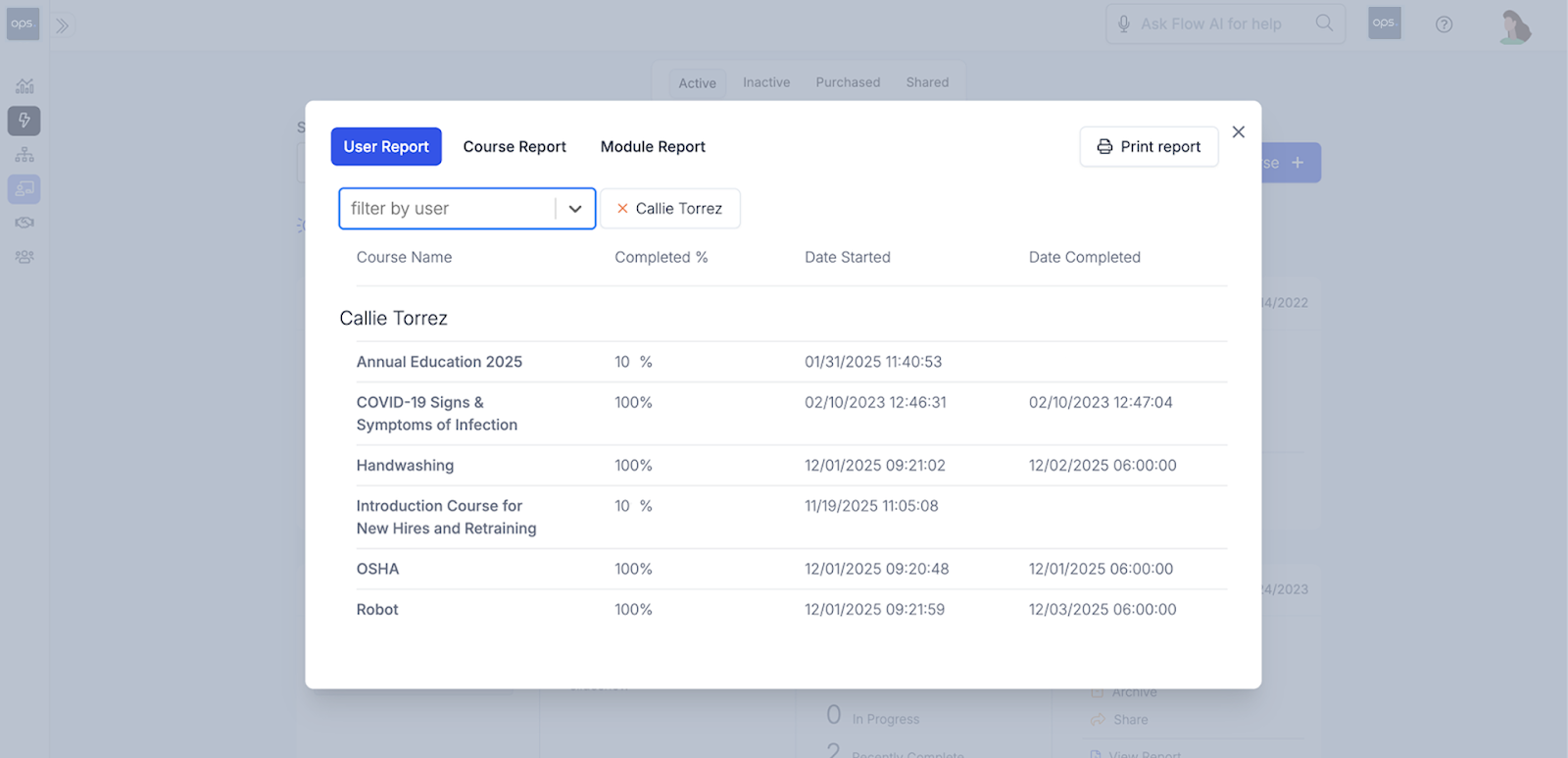
Generate LMS reports to gather insights on the impact of your training programs
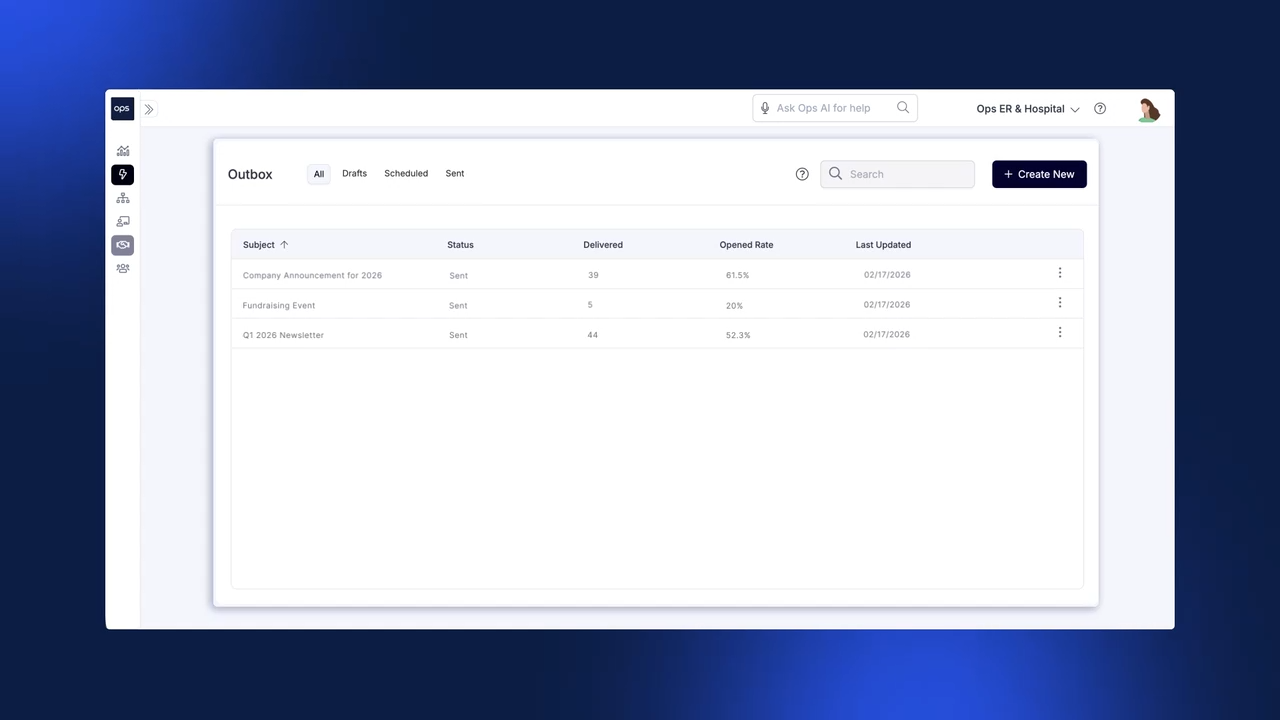
Send company-wide communication about your programs or other company resources
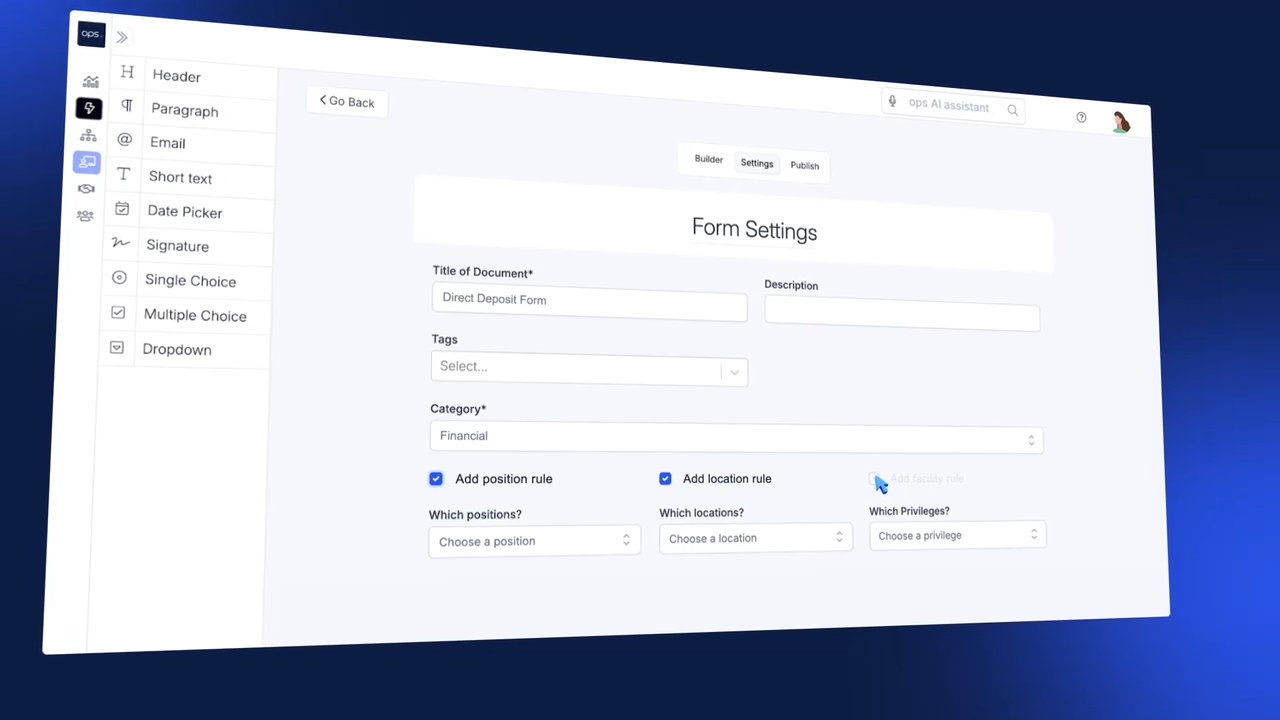
Create and send feedback collection tools to understand your employees' experience
Monitor real-time data on the impact of your efforts on cost savings, training uptake, and ROI.
What Are The Best Practices For Care Coordinator Onboarding?
Onboarding new staff effectively requires a structured plan tailored to your organization. Here are tips to improve the onboarding process:
- Begin the credentialing process before the start date to give you enough time to run thorough background checks to ensure patient safety and compliance
- Create a comprehensive onboarding program that gives new employees a sense of belonging while meeting organizational goals.
- Embrace automation to facilitate operational efficiency, thus reducing onboarding time and costs, and automate manual processes
- Schedule a check-in meeting with your new care coordinator within the first 30 days to ensure they understand what their role involves and are adjusting well to the new work environment. Continue these sessions throughout the onboarding process to collect feedback and insights on how to improve.
- Fine-tune your recruitment processes by writing clear job postings that allow you to hire qualified applicants who are a cultural fit for your care team.
- incorporate online training modules that your care coordinators can access at their convenience
How Do You Measure The Effectiveness Of Care Coordinator Onboarding?
Tracking onboarding metrics helps you measure the ROI of your efforts and identify bottlenecks that hinder your integration process for new staff. Here are some metrics to measure how effective your care coordinator onboarding process is:
- time-to-productivity, which measures the time it takes for an employee to become comfortable coordinating patient care services
- New hire turnover rates measure the number of new employees leaving the organization within a defined period, typically one year
- Employee engagement and satisfaction levels
- Training completion rates
Conclusion
A structured onboarding process ensures compliance with regulatory requirements and provides a positive experience for care coordinators. Tools like ops.work facilitate a seamless process that gets employees productive within the first 90 days. Get started with our free plan to improve how you onboard new employees.
References
Mosquera, Pilar, and Maria Eduarda Soares. “Onboarding: A Key to Employee Retention and Workplace Well-Being.” Review of Managerial Science, vol. 1, no. 1, 25 Feb. 2025, link.springer.com/article/10.1007/s11846-025-00864-3, https://doi.org/10.1007/s11846-025-00864-3.
Nagib, Nicole, et al. “Onboarding and Early Employment Experiences in Healthcare: Implications for Retention.” Health Services Management Research, 18 Oct. 2025, https://doi.org/10.1177/09514848251384273.
Frequently Asked Questions
They facilitate the integration of new hires into a healthcare facility, acting as the main point of contact between the organization, various departments, and the employee.
The 5 components of successful onboarding include compliance, clarity, confidence, connection, and culture.
Healthcare onboarding creates a welcoming environment for care coordinators, ensures compliance, facilitates employee engagement, improves patient care and safety, and reduces turnover, resulting in better ROI for your recruiting and onboarding efforts.
The orientation process can last 1-3 days, and up to a week for a more comprehensive process.