
An effective onboarding process lowers legal risks, reduces turnover, and promotes ethical conduct among staff, improving patient outcomes and workplace culture. Key challenges include reliance on manual processes and high turnover rates. Best practices include structured onboarding programs, leveraging technology, providing comprehensive safety and compliance training, collecting regular feedback, personalizing experiences, and ensuring continuous optimization of the process.
Key Takeaways
- Healthcare compliance onboarding helps organizations avoid legal risks, enhance staff and patient safety, and improve operational efficiency
- New employees must receive compliance training and retraining in line with regulatory requirements
- Software such as ops.work helps improve compliance during onboarding by automating time-intensive compliance tasks such as credentialing
Compliance in healthcare helps facilities avoid legal risks, ensure staff and patient safety, and increase operational efficiency. Healthcare organizations operate under several internal and external compliance requirements that dictate ethical conduct, patient care. employee and employer roles and responsibilities. Part of these requirements includes providing compliance training to new hires and refresher courses to existing staff.
What Is Healthcare Onboarding?
Healthcare onboarding is the process of integrating new employees through activities such as preboarding, orientation, and training to help new hires acclimate to their roles.
Successful onboarding begins the moment an applicant accepts a job offer and continues for up to 90 days after the new employee reports for work. What you do during this period determines how fast new hires feel a sense of belonging and ownership in your facility.
Onboarding in the healthcare industry varies significantly. HR teams must ensure the healthcare employees they hire are eligible to work in their facilities. This goes beyond checking their educational qualifications to verifying their ethical and criminal standing.
Onboarding includes comprehensive processes such as credentialing, compliance, role-based, and safety training.
Why is an Effective Healthcare Onboarding Process Important?
A good onboarding process benefits both employees and healthcare organizations. For employees, the healthcare onboarding experience shapes their perception of the organization and the impact of their role on your business's overall objectives.
Here are the benefits of effective onboarding in facilitating adherence to internal and external regulations:
- It reduces legal and financial risks by ensuring new hires understand internal and external regulations and comply with them. These regulations govern their conduct when caring for patients, handling patient and employee data, or billing patients for services provided
- Healthcare staff training helps reduce turnover by ensuring new team members understand their roles, responsibilities, and the people they report to. When new hires understand the connection between their roles and your business goals, morale, job satisfaction, and productivity improve.
- A complaint onboarding strategy helps create an ethical organization which contributes to better patient outcomes and a healthy workplace culture that prioritizes employee well-being.
What are the Common Healthcare Onboarding Challenges?
HR staff in healthcare settings often struggle with onboarding practices that undermine their efforts. Some of the challenges that contribute to poor onboarding for new healthcare employees include:
Dependence on manual processes. Healthcare is a paperwork-heavy industry; therefore, relying on manual processes wastes time and takes away from the time and resources you would spend on integrating new hires into your facility.
High turnover rates are also a common challenge when bringing healthcare professionals on board. According to the 2025 NSI National Healthcare Retention & RN Staffing Report, the hospital staff turnover rate is 18.3% across the healthcare sector. These high attrition rates make onboarding new employees expensive.
Six Healthcare Onboarding Best Practices to Ensure Compliance
Here are the best practices to streamline the onboarding process and ensure regulatory compliance:
1. Create a Structured Onboarding Program
A well-designed onboarding process includes a detailed checklist of the activities team members, managers, and new hires must complete, usually within the first 90 days of a healthcare job. An exceptional onboarding plan is a prerequisite to successful healthcare integration for new staff.
Your plan should guide your activities in the preboarding phase, help you develop a structured orientation program for the first day and first week, and prepare you for employee training. Here are essential healthcare onboarding activities to include in your program:
- Preboarding activities, such as signing the offer letter and acknowledgement paperwork, credentialing, IT set-up, and sending the welcome packet
- Orientation activities such as introducing new employees to other staff, a meeting with the hiring manager to begin discussions on what is expected of the employee, and a comprehensive facility tour
- Role-based training to help employees develop the skills they need for their role
- Check-ins and feedback meetings throughout the duration of the program for feedback and support
2. Use Technology to Improve Compliance
Onboarding software is a game-changer for healthcare facilities. It improves how you onboard, train, and manage new hires.
Such software comes with a comprehensive set of features that allow you to automate various steps to ensure a smooth onboarding process. Here are some of the functions you can automate with ops.work:
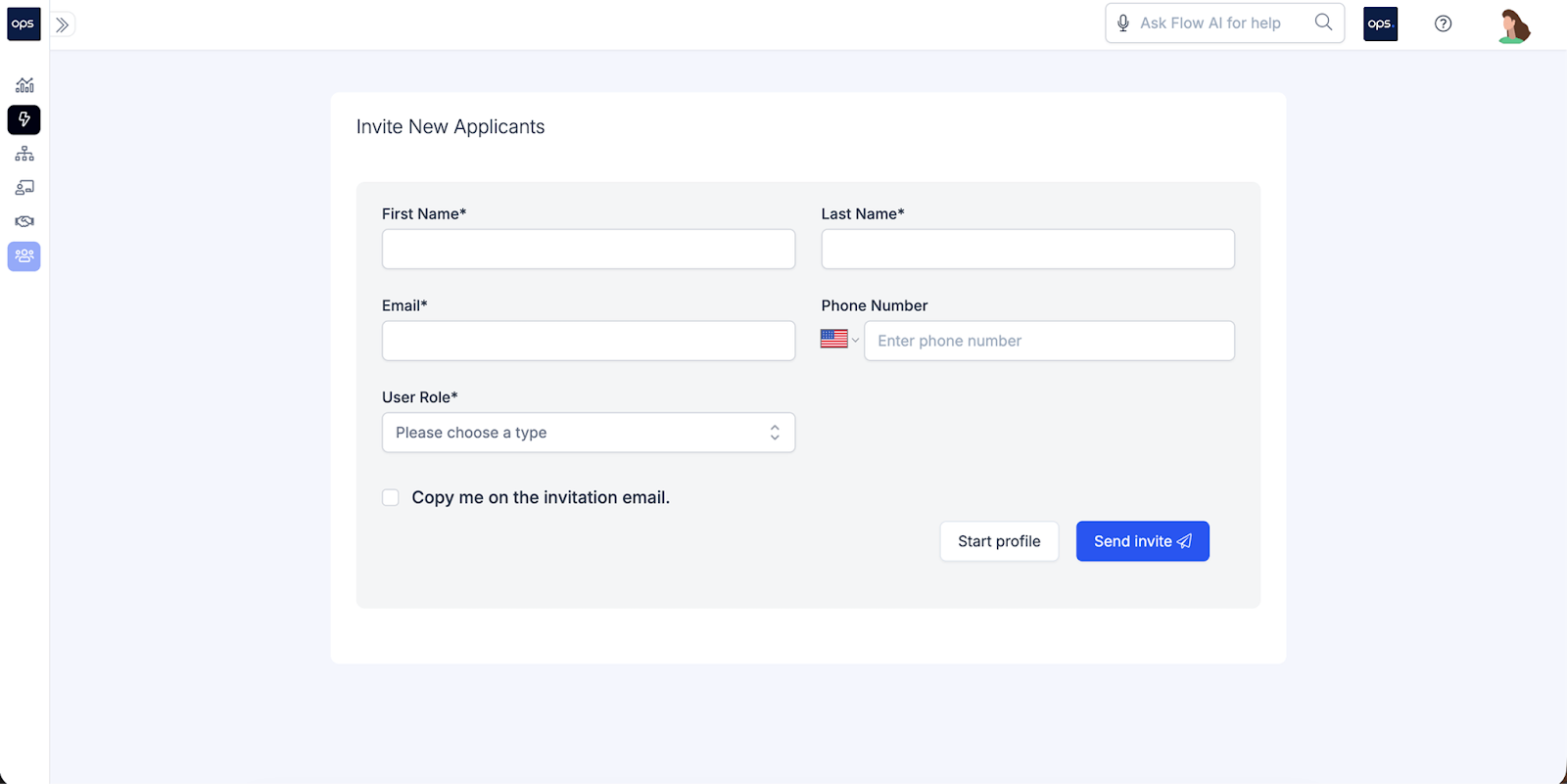
Ops.work makes it easier to add new employees to your HR system, either by inviting them or manually adding their information to their profile.
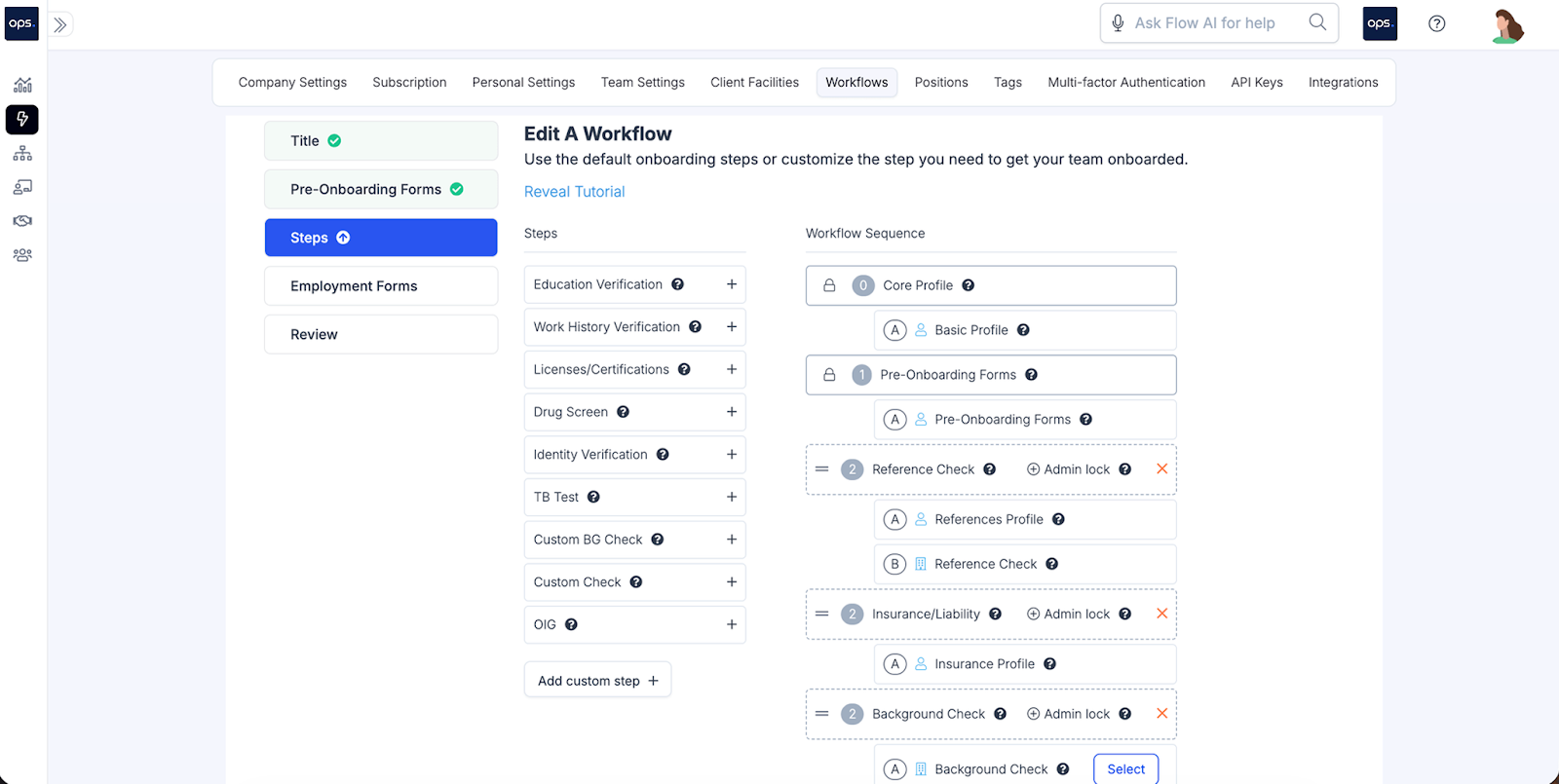
Conduct credentialing for all providers from one platform, including tracking submitted documents, pending items, and each employee's credentialing status. As part of credentialing, ops.work allows you to create automated workflows:
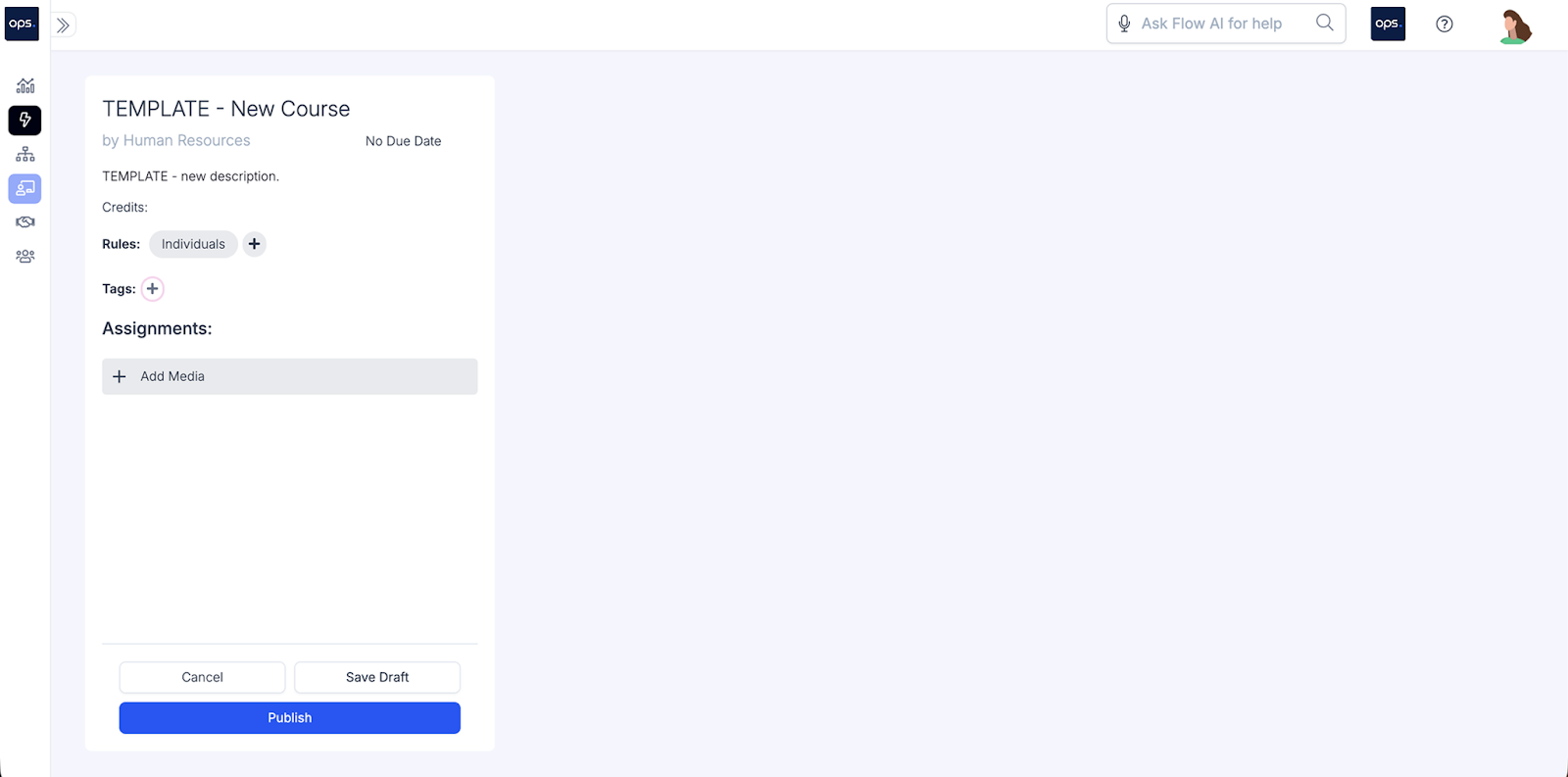
The platform also allows you to customize various checklists to help you provide a consistent experience for all new employees.
3. Provide Comprehensive Safety and Compliance Training
Comprehensive onboarding training improves new hire skills and knowledge, allowing them to perform better at their jobs. A comprehensive training program for healthcare facilities includes:
- Formal role-based training courses aimed at equipping new employees with the soft and technical skills needed for effective patient care and service delivery
- Mentorship programs that provide ongoing support to new hires, helping them learn as they work
- Safety training that familiarizes employees with workplace safety regulations under laws such as OSHA standards
- Training on regulatory compliance standards such as HIPAA, HITECH Act, Medicare and Medicaid laws, and insurance billing regulations
- Training on internal procedures such as patient care procedures, employee conduct, medication management, and data security
- Refresher courses for existing staff to keep up with compliance requirements
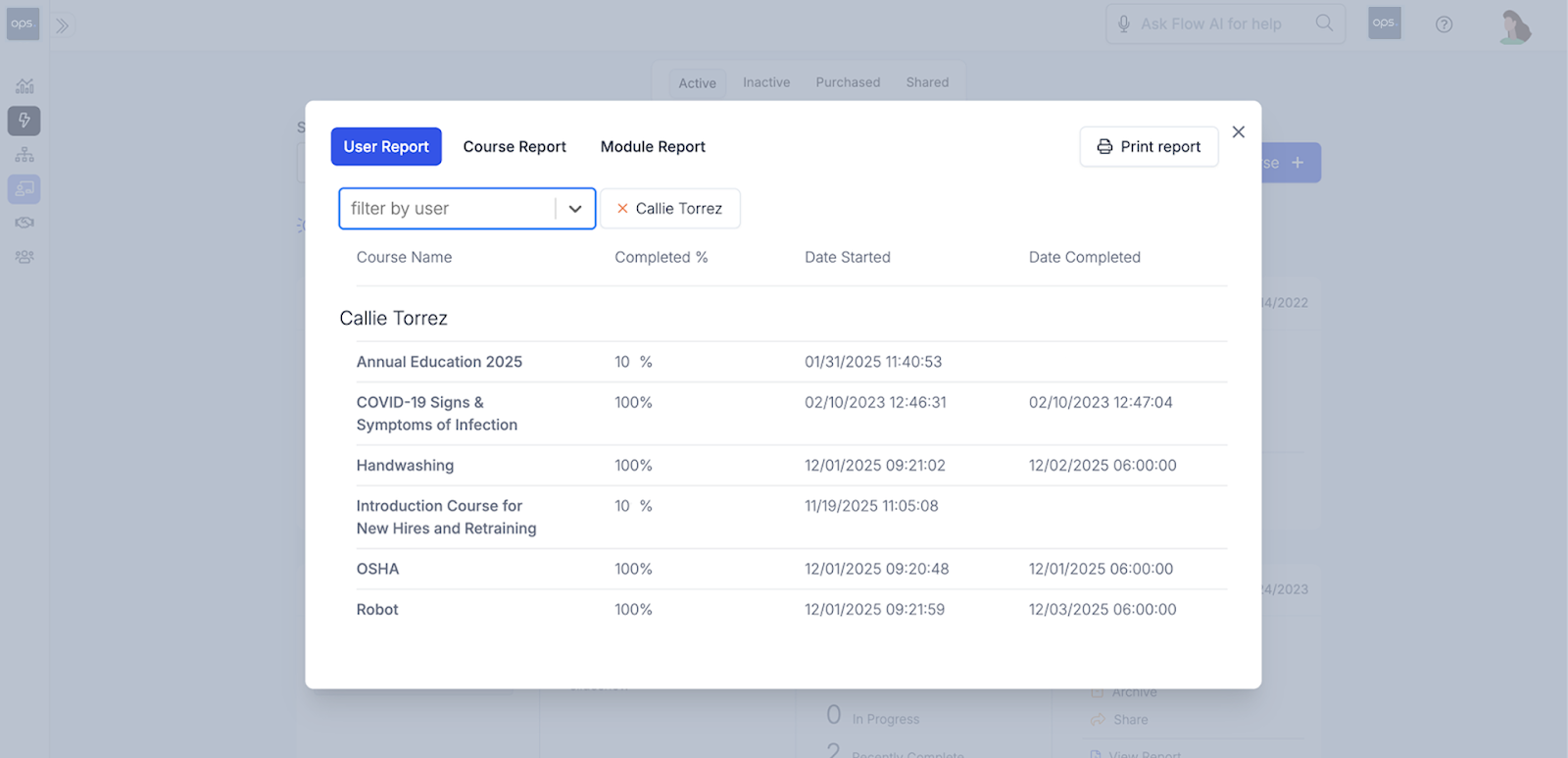
Ops.work's robust LMS features allow you to:
Create training materials in various formats using our built-in course templates
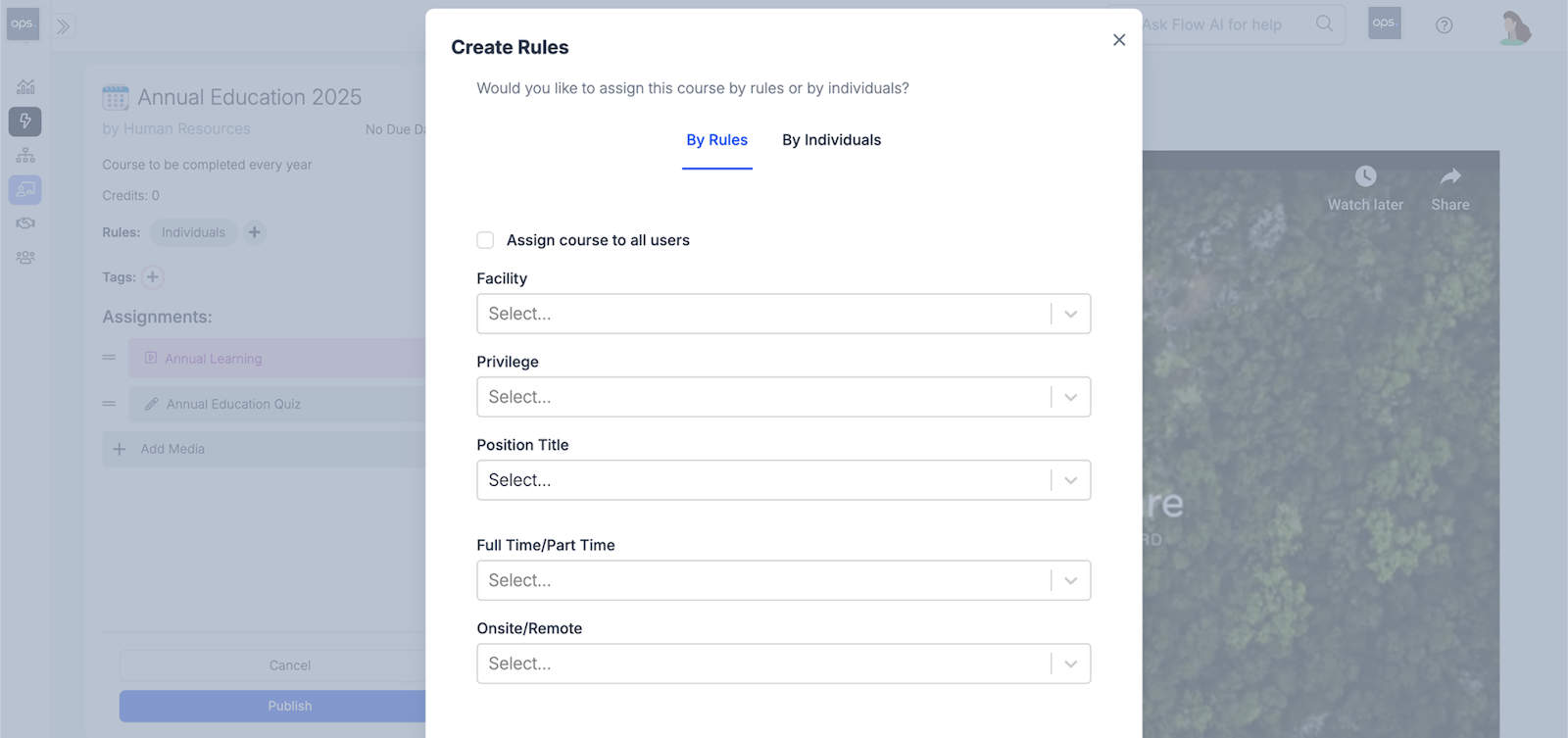
Assign courses to new employees
Monitor the completion rates for each course and generate reports
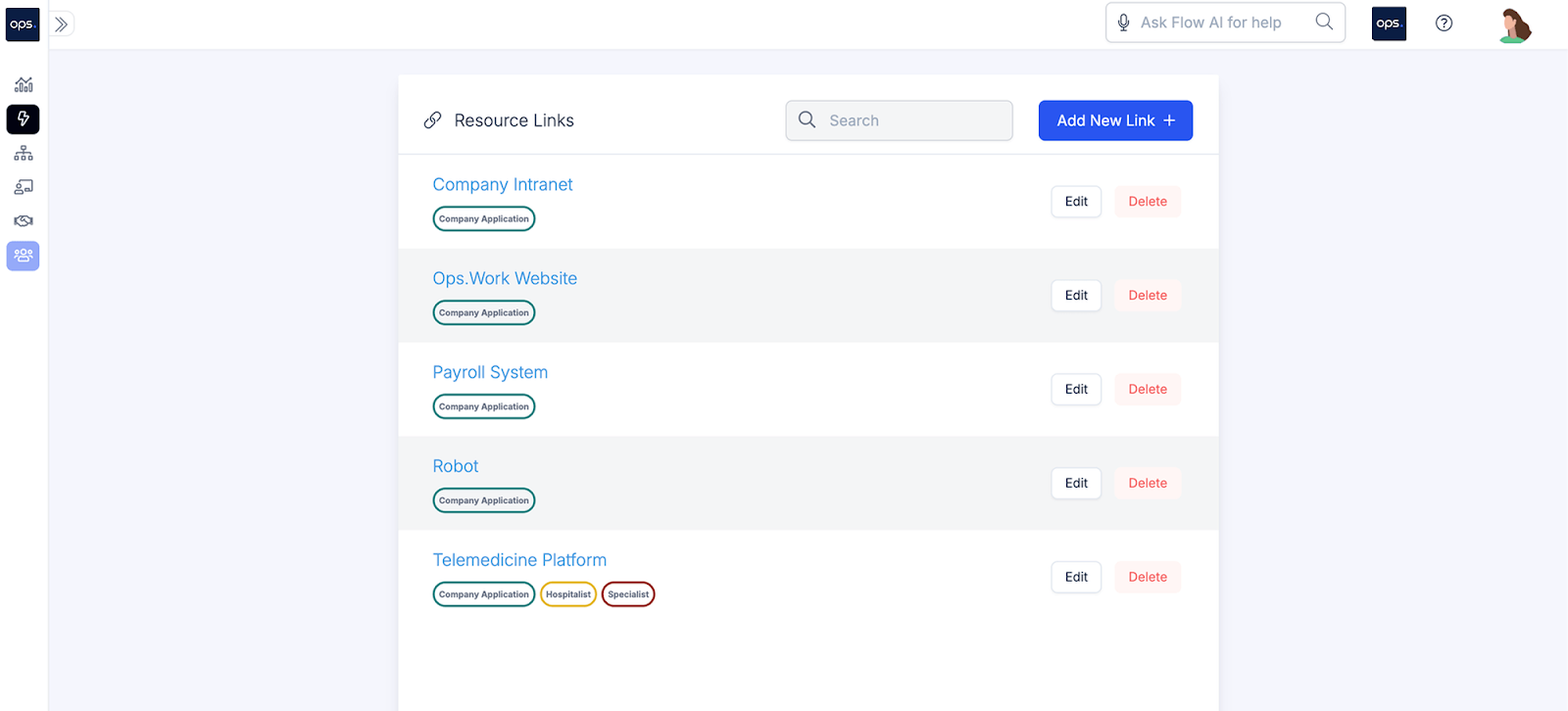
Create knowledge bases to provide additional resources for staff
4. Collect Regular Feedback and Optimize Consistently
Improving how you integrate employees into your company requires high-quality data from key stakeholders in the process. They include:
- Recently onboarded employees
- HR teams
- L&D teams
- New hires are currently being onboarded
- Mentors and coaches
Tools like ops.work let you create feedback-collection systems that you can implement at various stages of employee integration. You can use our form builder to create and distribute surveys to employees for feedback.
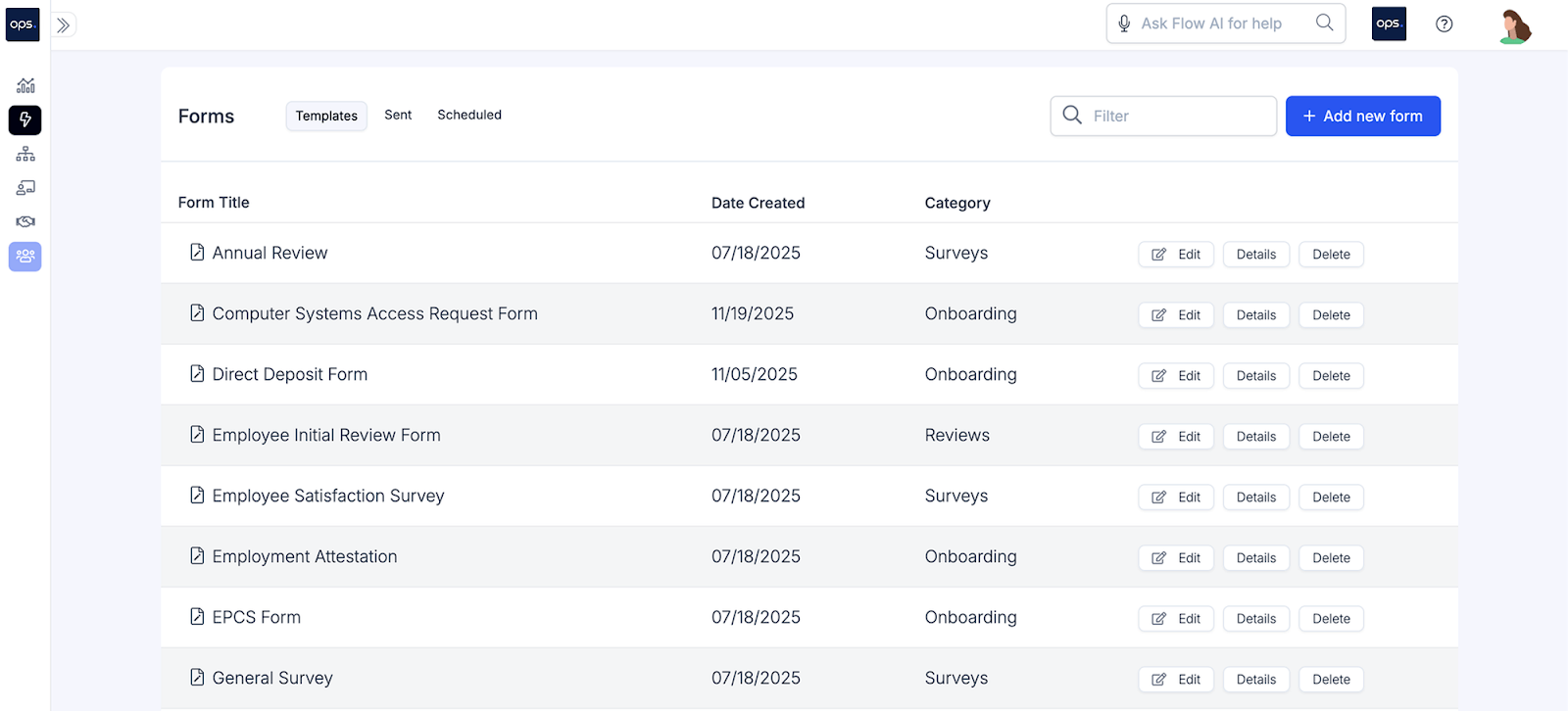
Our integration with Jotform allows you to expand your database of free employee feedback templates to improve your data collection efforts.
5. Create a Personalized Onboarding Experience
The overall onboarding experience determines how engaged new hires are, their likelihood to leave your company, and their productivity. The first step in delivering a personalized experience is understanding the needs and expectations new hires have from your company.
Here are tips to personalize how you onboard employees:
- Know your employee before they report for their first day
- Tailor your orientation program to give a positive first impression - let your hires know that you are excited for them to join your company, and you have made the process as accessible as possible
- Involve your employees when setting their performance objectives
- Promote activities that allow them to integrate with the culture of the organization
- Conduct a skills test to tailor your training to their skill level
6. Connect New Hires with Mentors
Formal and informal mentorship improve the success of employee integration programs. Mentors help in several ways:
- They provide personalized and ongoing support to new recruits, helping them adjust to the requirements of their jobs
- Facilitate peer-to-peer knowledge sharing, which promotes collaboration and innovation. For multigenerational teams, mentorship helps bring fresh ideas from younger workers and ground them with experience from older workers
- Mentorship facilitates social relationships between employees, which can create a sense of belonging.
Conclusion
Healthcare onboarding involves several key steps to mitigate financial and legal risks, ensure safe patient care, and improve employee retention. Ops.work software makes it easy to onboard new hires by streamlining operations at every step, from credentialing to employee training. Get started on our free plan to onboard employees faster.
References
Kwon, Juhee, and M Eric Johnson. “Security Practices and Regulatory Compliance in the Healthcare Industry.” Journal of the American Medical Informatics Association, vol. 20, no. 1, 6 Sept. 2012, pp. 44–51, https://doi.org/10.1136/amiajnl-2012-000906.
Julian, Caleb, and Anwar Abbas. Regulatory Compliance in HR: A Strategic Workforce Planning Approach. 1 Aug. 2020, www.researchgate.net/publication/395016684_Regulatory_Compliance_in_HR_A_Strategic_Workforce_Planning_Approach.
Gajenderan, Nishad . “Ensuring HR Compliance: Strategies for Managing Legal and Regulatory Requirements.” Journal of Organizational Culture, Communications and Conflict, vol. 28, no. 2, 23 Mar. 2024, pp. 1–3, www.abacademies.org/articles/ensuring-hr-compliance-strategies-for-managing-legal-and-regulatory-requirements-17005.html.
Frequently Asked Questions
Technology streamlines onboarding by eliminating manual processes, reducing onboarding time, and improving the onboarding experience for new hires
Your checklist should include preboarding activities, a breakdown of daily activities for the first week, month, and 90 days. It should also include milestones to measure performance.
Choose vendors that comply with HIPAA regulations by assessing their overall cybersecurity posture. Prepare a comprehensive Business Associate Agreement that covers the vendor's roles, responsibilities, including your right to audit, disclosure agreements, notice of breach requirements, and liability.
Healthcare provider onboarding typically lasts 90 days or more for most roles. Inefficient processes and complex roles may lead to longer onboarding timelines.
Common healthcare software tools include Learning Management Systems (LMS), HRIS, and automated onboarding solutions.