
Microlearning platforms, crucial for Learning and Development (L&D) teams, facilitate content creation, tracking, and reporting, while supporting diverse formats and customized learning paths. Key features to consider when choosing a microlearning platform include content authoring tools, scalability, centralized content libraries, user experience design, progress tracking and analytics, and mobile compatibility.
Key Takeaways
- Microlearning delivers short, focused training to employees, providing content such as videos, infographics, quizzes, and games for immediate application.
- Microlearning platforms help L&D teams create, deliver, and track these bite-sized training modules
- Combining microlearning with traditional methods enhances training impact, making foundational knowledge readily accessible alongside in-depth content
Microlearning has become an important part of employee training, thanks to the ever-growing demands on employee time. Incorporating microlearning into your training boosts engagement and knowledge retention.
What are Microlearning and Microlearning Platforms?
Microlearning delivers bite-sized training to employees to meet immediate needs and solve a practical problem. Microlearning content includes short videos, infographics, tests, quizzes, and interactive games.
Unlike traditional learning, which goes in-depth into a subject, microlearning breaks down subjects into bite-sized modules that employees can consume on demand in under 10 minutes.
A microlearning platform is a digital tool that enables L&D teams to create, deliver, and track bite-sized learning modules.
Most modern employee training management software incorporates the features of traditional LMS and microlearning platforms. Such features facilitate content creation, social learning, collaboration, personalization, compliance tracking, and reporting.
Tools such as ops.work allow you to create longer, in-depth courses for knowledge acquisition and foundational learning. The platform also lets you create engaging microlearning content in various formats, including text and video.
Benefits of Microlearning
Learners forget a majority of what they learn within hours of learning it, especially if the knowledge is not immediately applied to their work.
Microlearning platforms enable your employees to access the knowledge they need at the point of need. This creates a continuous learning culture where employees are empowered to seek the knowledge and skills they need to be productive.
These learning platforms offer flexibility, allowing learners to access relevant learning modules at their convenience. Microlearning also reduces the time it takes HR teams to deliver training to users. This can be impactful in onboarding training and refreshers for mandatory courses.
Microlearning tools can be used to break down complex subjects into bite-sized lessons, preventing cognitive overload while improving knowledge retention. This can be useful for compliance and technical skills training, which are often complex.
7 Key Features to Look for When Choosing the Best Microlearning Platforms
LMS platforms have varying features depending on the primary goal of the platform. A good platform for microlearning should make it easier for L&D teams and learners to create or access training materials, respectively.
Here are the necessary features in a microlearning platform:
1. Content Authoring Tools
Content creation is an important part of any learning management system as it allows you to shape the microlearning experience your staff has when learning. A microlearning platform supports the creation of content that adheres to microlearning principles of brevity and engagement through multiple content formats.
Providing learners with a variety of content formats facilitates the customization of learning paths to suit their learning needs and preferences.
You can use ops.work training authoring platform for creating videos, PDFs, presentations, quizzes, assessments, external links, and interactive content.
2. Customizable Learning Paths
Customization and personalization are key elements of effective training programs.. You can provide a personalized learning experience to your staff by tailoring your workplace learning material to their needs and learning processes.
To succeed in building microlearning experiences that matter:
- Conduct a learner needs assessmen to gather data on skill and knowledge gaps, and learner preferences
- Create adaptive microlearning paths based on learner profiles, employee roles, and job descriptions.
- Integrate AI-powered microlearning customization for dynamic personalization in response to learner needs and behavior
- Offer opportunities for employees to interact with the training content through gamified microlearning, simulations, and on-the-job application.
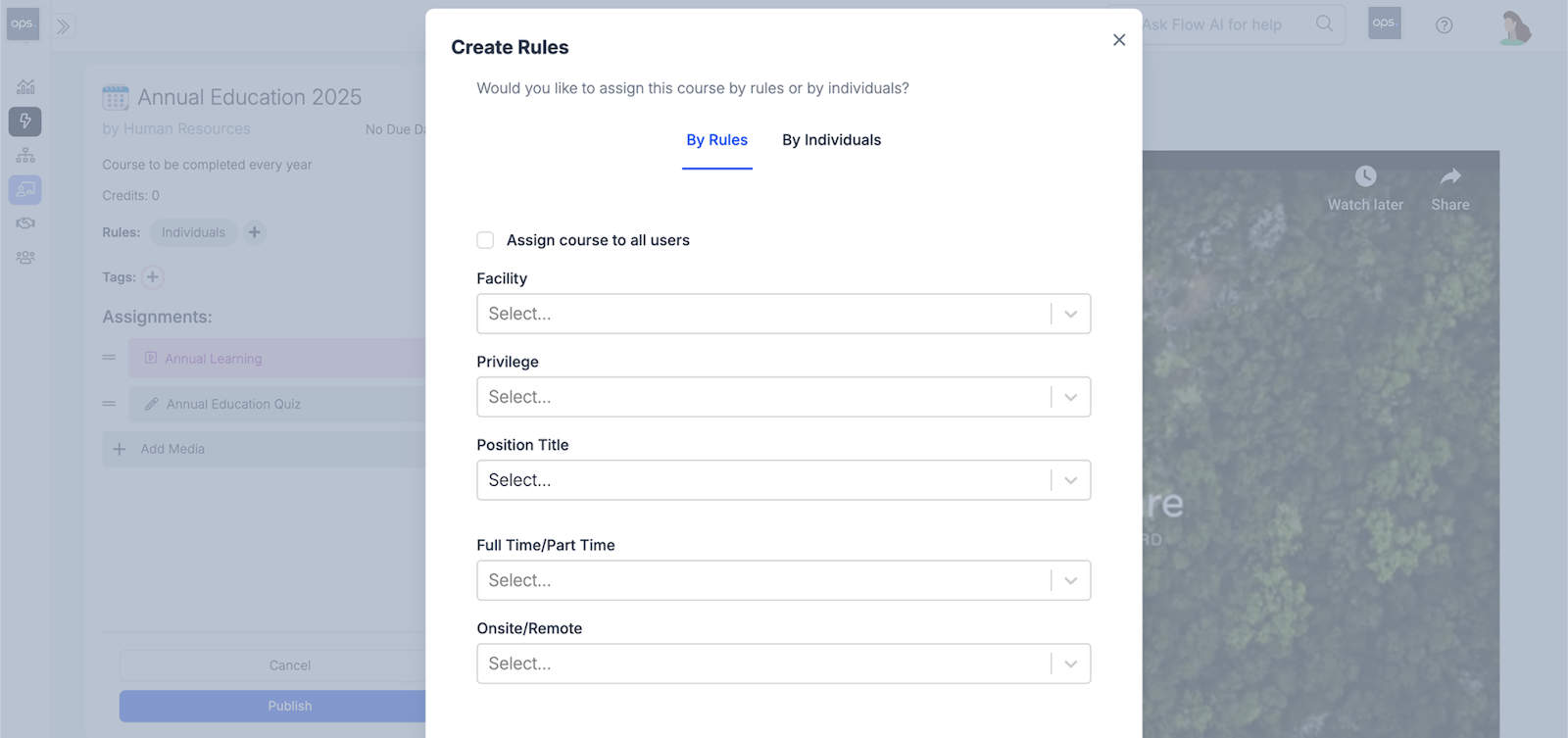
Ops.work is a training platform designed to provide personalized microlearning experiences tailored to your staff roles. You can set rules that control who has access to which courses. This makes it easier to deliver relevant learning materials to your learners.
3. Scalability of the Microlearning Solution
Microlearning platforms make it possible to adapt your training programs to your growing organization. Choose a platform built to grow with your learning needs. A scalable platform optimizes:
- Performance of your training software after adding new learners
- Addition of content to address the skills and knowledge gaps in your organization
- Learner experience by allowing many users on the platform simultaneously without compromising performance
Ops.work is a scalable LMS platform that supports the training goals of small to medium-sized companies. Our free plan allows you to train up to 10 employees for free. You can also upgrade to our paid plan, which supports up to 500 employees.
4. Content Library
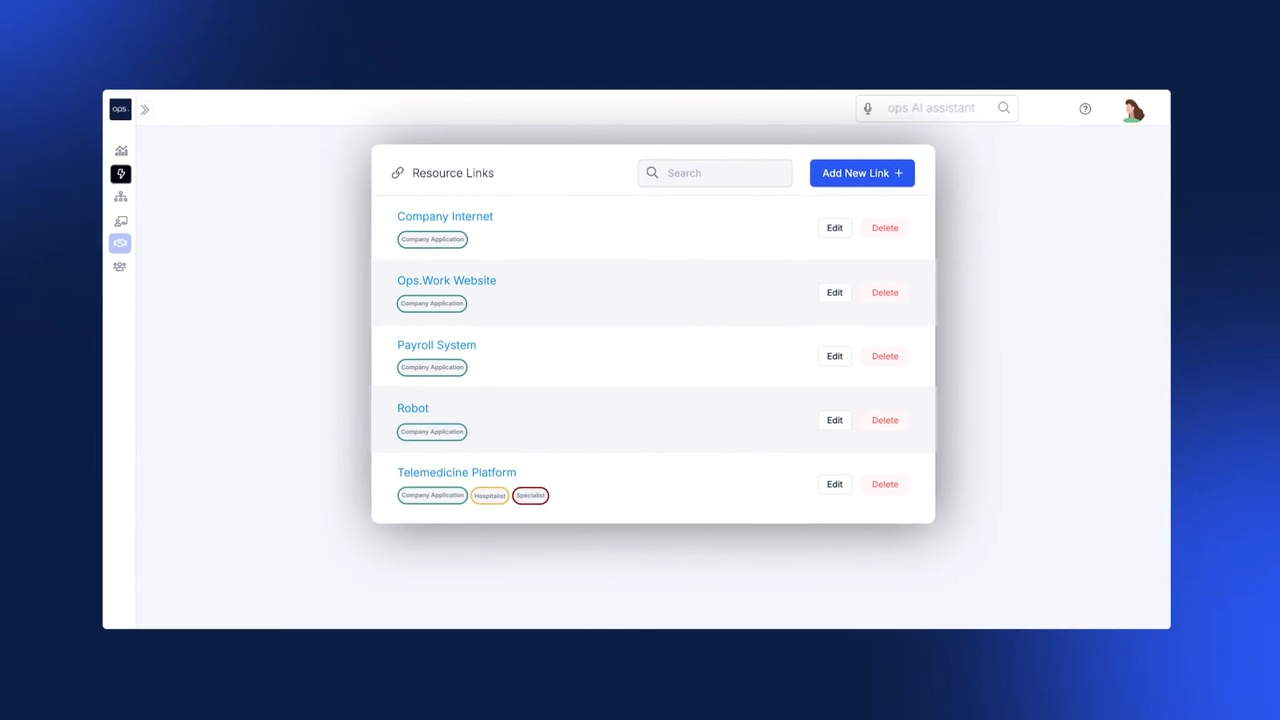
Many platforms include a centralized content library that facilitates effective microlearning by providing a centralized database of your learning materials. With ops.work, you can create a Wiki of all your training materials and resources that employees may need to improve their skills or knowledge.
The Wikis you create with our platform are easy to search, which is an important microlearning element that allows your staff to access information on demand.
5. User Experience
A good LMS platform delivers a smooth user experience for administrators and learners. Some user experience features to look for in a microlearning software include:
- Accessibility to different groups of users
- Easy navigation through straightforward navigation menus and icons
- AI tools, such as chatbots, for help
- Gamification to drive engagement
- Responsive websites that support mobile microlearning
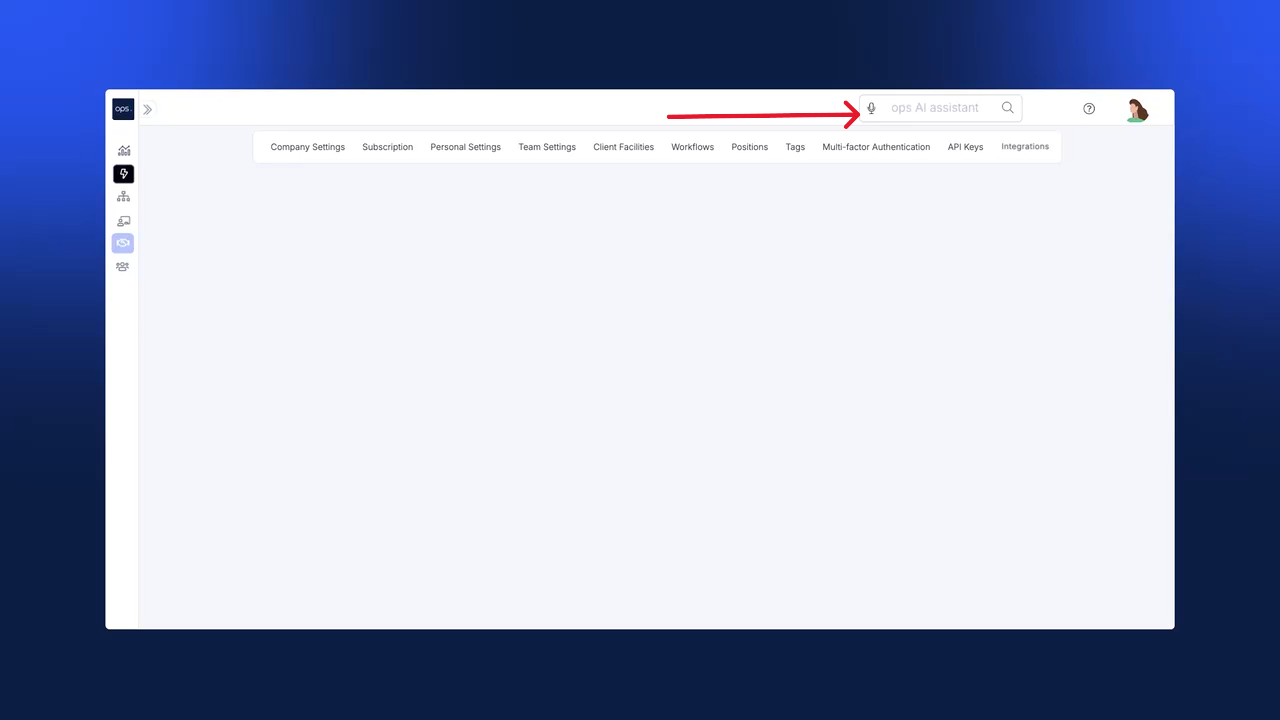
Ops.work LMS platform uses digital adoption platforms to provide in-app guides for administrators and learners. It also integrates an AI assistant to support microlearning within the platform.
6. Progress Tracking and Analytics
A good LMS platform must include microlearning progress tracking and analytics. Collecting data on your training efforts helps you track key metrics such as:
- Knowledge retention
- Learner engagement
- Skills and knowledge gaps
- Training costs and ROI
These metrics allow you to measure the effectiveness of your microlearning training efforts and identify areas for improvement.
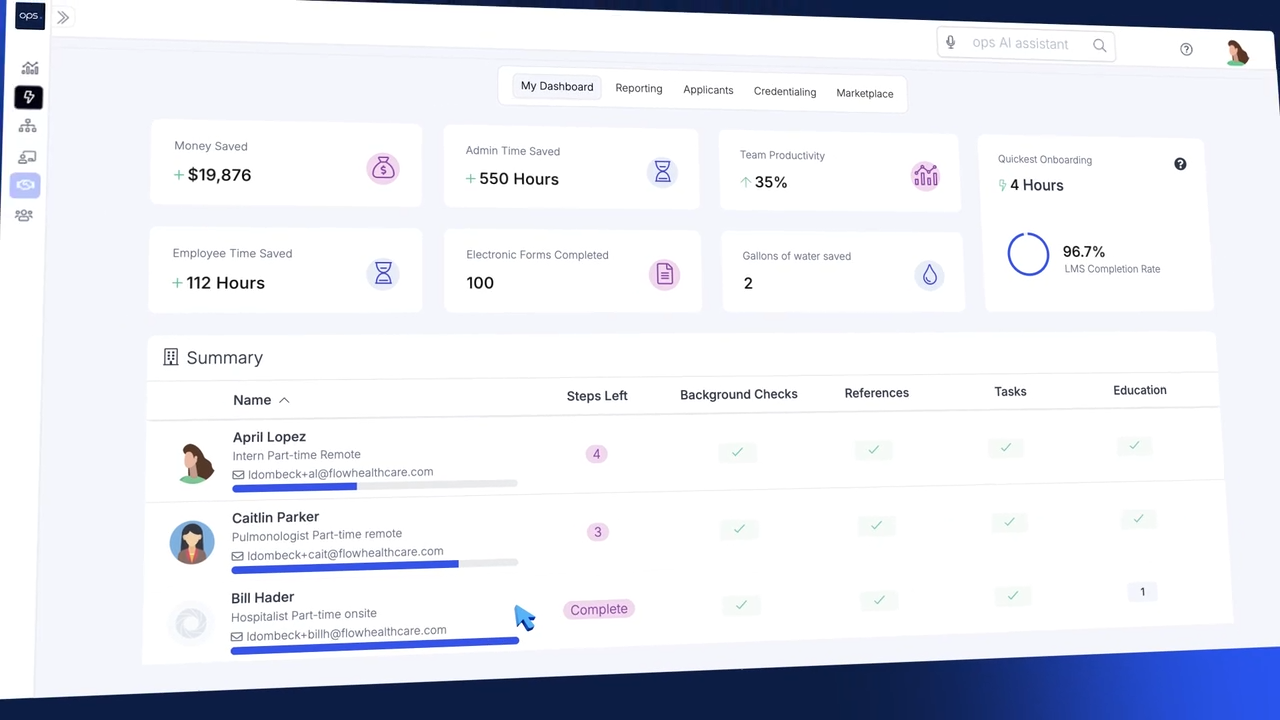
Ops.work dashboards allow you to visualize key metrics, track learning trends, and spot problems quickly.
7. Mobile Compatibility
Mobile-first microlearning platforms make microlearning resources accessible to your users across multiple devices. LMS platforms achieve this by creating web and mobile applications or responsive websites.
A platform that combines microlearning with mobile compatibility ensures that learners can access microlearning resources across devices and locations. This makes learning easier by eliminating the need to be in one location to learn.
How Do You Combine Traditional Training and Microlearning?
Conventional training methods vary from microlearning in how they deliver content. Traditional approaches focus on in-depth coverage of a subject, often taking longer to complete training. Microlearning content, on the other hand, is brief and delivered within a few minutes.
Both approaches have their place in employee development; therefore, you should combine them as part of your training strategy. Once combined, you can improve the impact of your training efforts.
Microlearning and knowledge reinforcement go hand-in-hand. Therefore, creating microlearning courses alongside in-depth training modules offers learners the foundational knowledge and a quick reference guide to facilitate on-the-job application.
For example, all healthcare employees must receive HIPAA training. In the traditional approach, you create a comprehensive course that covers all the mandatory topics.
You can then create microlearning modules to provide a quick reference and refresher for employees. This might look like a checklist for corrective actions and steps after a HIPAA violation or incidental disclosure rules.
Conclusion
Microlearning offers bite-sized content allowing for better knowledge retention, increased engagement, and fast solutions to immediate problems. Integrating microlearning into your learning management system allows you to provide a satisfactory learning experience while building a continuous learning culture in your facility. Get started with our free plan to customize your learning experiences for higher employee retention.
References
Jan Terje Karlsen, et al. “A Study of Employees’ Utilization of Microlearning Platforms in Organizations.” The Learning Organization, 31 July 2023, https://doi.org/10.1108/tlo-07-2022-0080
Monib, Wali Khan, et al. “Microlearning beyond Boundaries: A Systematic Review and a Novel Framework for Improving Learning Outcomes.” Heliyon, vol. 11, no. 2, 20 Dec. 2024, p. e41413, www.sciencedirect.com/science/article/pii/S2405844024174440#sec6, https://doi.org/10.1016/j.heliyon.2024.e41413.
Papadopoulou, Poulcheria. “Bite-Sized Learning, Big Impact: Digital Innovation in Corporate Training.” Encyclopedia of Educational Innovation, 2026, pp. 1–7, https://doi.org/10.1007/978-981-13-2262-4_361-1.
Frequently Asked Questions
Microlearning is suitable for various applications, including onboarding training, reinforcing learning for compliance training, providing refreshers for employees, especially with complex topics, and helping employees keep up with updates in their respective fields.
Choosing a microlearning platform depends on your employees' needs, training goals, and your budget. The platform you choose should also have features that make it easy to create bite-sized learning content. It should also be easy for employees to access training materials.
Microlearning aims to deliver bite-sized learning resources between 1 to 10 minutes, ideally under ten minutes.
You can integrate your microlearning platform with your existing systems using API integration tools such as Zapier, Make, and Webhook. These integrations help you customize learning paths, eliminate duplication of tasks, improve compliance tracking, and reporting.