
Good workplace training design begins with a needs assessment, which identifies the gap between the current and expected skills, knowledge, and competence. It helps align training to organizational goals and ensures employees receive relevant training to improve their performance. A needs assessment involves problem and data analysis before using these insights to develop impactful training programs.
Key Takeaways
- Training needs assessments reveal the knowledge, skill, and competency gaps in your organization
- A needs assessment is necessary after organizational changes, new technology, poor performance, and regulatory changes
- A good needs assessment starts by identifying the problem (e.g. eg poor performance), then identifying training areas to address it.
Training is one way to provide employees with the skills and knowledge they need to perform their jobs. However, the training must be effective to meet the training needs of your employees and help you achieve your business goals.
What Is A Training Needs Assessment (TNA)?
A training needs assessment provides information that helps you determine the performance gap between current and desired knowledge and skill levels. It is the first step in designing and developing training programs.
Training is not always the solution for performance problems in an organization. For example, training cannot solve performance issues from poor communication of expectations or low employee motivation and engagement.
Therefore, you need to conduct a training needs analysis to determine the root cause of the performance issue and develop an appropriate solution.
Some of the triggers for a needs assessment include:
- Changes in legislation (training is needed to ensure compliance, patient, and employee safety)
- Lack of basic skills required for a specific job
- Poor performance
- Introduction of new technology or equipment
- Changing performance standards
Organizations rely on a combination of methods to perform a training needs assessment. Observation, questionnaires, interviews with stakeholders, focus groups, documentation (technical documents and current training materials), and online tools.
Most modern employee training management software have built-in tools to help you assess your organization's training needs. Ops.work, for example, lets you create surveys and other data-collection tools.
What are the Benefits of a Training Needs Assessment?
A corporate training needs assessment helps you determine whether training is the right solution for your organizational problems. Through a TNA, you can:
- Identify the best content needed to close the gap between current and expected job performance
- Create training content that aligns with the trainee's basic skills and confidence to learn. This improves employee engagement and performance.
- Develop the right employee training programs that align with your business's strategic goals. Without this alignment, your business is likely to lose money through uncoordinated training efforts.
- Ensure regulatory compliance. The regulatory landscape for healthcare companies is always changing. Regular TNA helps you identify emerging training needs to keep your workforce compliant.
What are the Key Types of Training Needs Assessment?
There are three major types of training needs assessments you can conduct:
- Organizational analysis
- Person analysis
- Task analysis
An organizational analysis assesses whether training efforts align with your facility's strategic direction. This analysis happens at the upper management levels of the organization.
Upper managers determine whether they have the resources to support training initiatives within the organization, usually based on the impact on meeting business needs. This analysis can determine:
- How organizational training is organized within the company
- The type and frequency of training
- The money, time, and expertise required to deliver successful training programs
- The work environment and how supportive it is in facilitating employee performance
A person analysis is a process used to determine which employees need training based on their performance. The analysis also evaluates an employee's readiness for training. This readiness can be measured through:
- The employee's skills, abilities, knowledge, and behaviors they needed for effective learning. These include basic skills such as reading, writing, and the cognitive ability to learn.
- The employee's motivation or desire to learn the content of training programs
- Employee's confidence in their ability to learn
Person analysis also examines the work environment to determine the extent to which it supports learning without interfering with employee productivity. A work environment that supports learning:
- Provides access to the materials and tools required for training
- Provides employees with the opportunity, time, and resources to apply what they've learned during training in their jobs
Through person analysis, you can identify specific training needs and determine the kind of training strategies for different employees and skills.
Task analysis is the process of identifying the work activities tasks an employee performs in their job. Through task analysis, you can create targeted training that equips employees with the skills, abilities, knowledge, and behaviors required to complete job-specific tasks.
The steps involved in a task analysis include:
- Selecting the job to analyze
- Creating a comprehensive list of all tasks performed in a specific job
- Validating the task list with subject matter experts. This helps identify tasks that qualify for training (important, frequently performed, and of moderate to high difficulty).
- Identifying the requirements for each task (knowledge, skills, abilities, and behavior)
5 Steps in Conducting a Training Needs Assessment
A needs analysis is crucial in developing effective training methods. TNA also helps measure training program effectiveness in closing performance and knowledge gaps within your organization.
Here are the steps in an effective training needs assessment process:
1. Identify the Problem and Training Needs
The first step in a learning needs assessment is to identify the current needs, desired outcomes, and the gap between the two. Done well, the assessment identifies areas where training is necessary and helps you choose the best learning strategies..
At this stage:
- Review your company's strategic plan to determine how your training and development efforts can fulfill company needs
- Identify the key performance metrics that help you measure training effectiveness
- Identify the skills, abilities, and knowledge employees need to achieve organizational objectives
2. Collect Data on Current Skill and Performance Levels
Once you have identified the organizational objectives and training needs, collect data from multiple sources on your employees' current skills. This data lets you identify the need for training.
Use various evaluation tools to identify specific development needs and determine if training is the best solution to address them. These tools include:
- Interviews with key stakeholders such as management, subject matter experts, and employees
- Observation of employees as they perform their jobs
- Reviewing documentation of internal policies, procedures, and current training materials to identify potential training areas
- Administering questionnaires to employees. Include basic questions about the specific needs and skills they require for their job
3. Analyze Data and Prioritize Areas Where Training is Needed
Analyze the data you collected to draw conclusions and come up with training recommendations to improve your company's employee development process.
During the analysis, look for patterns and trends in the data to help you identify essential training areas. If you find recurring skill gaps, this might indicate an area that requires training to fill the gap.
To determine training priorities, consider skills that meet the following criteria:
- Essential skills for job performance
- The lack of specific skills significantly affects the quality of services offered
- High employee interest regarding training for specific skills
- Emerging key skills in response to technological innovation or legislation, such as safety training
4. Create an Employee Training Development Plan
Create a detailed plan once you know the skills to prioritize in your new training program. Your training plan should include:
- Clearly defined training objectives, including key indicators to track knowledge retention and employee performance
- Alignment with organizational objectives
- Include training solutions and formats tailored to the organization's unique needs. For example, online training modules for remote teams or busy healthcare professionals. Combine a variety of training methods to cater to the learning preferences of different employees.
5. Roll Out Your Training Program
Roll out the full training course. Before this, communicate clearly with your employees about the training programs. You can use ops.work's currents feature to send a company-wide newsletter about the training.
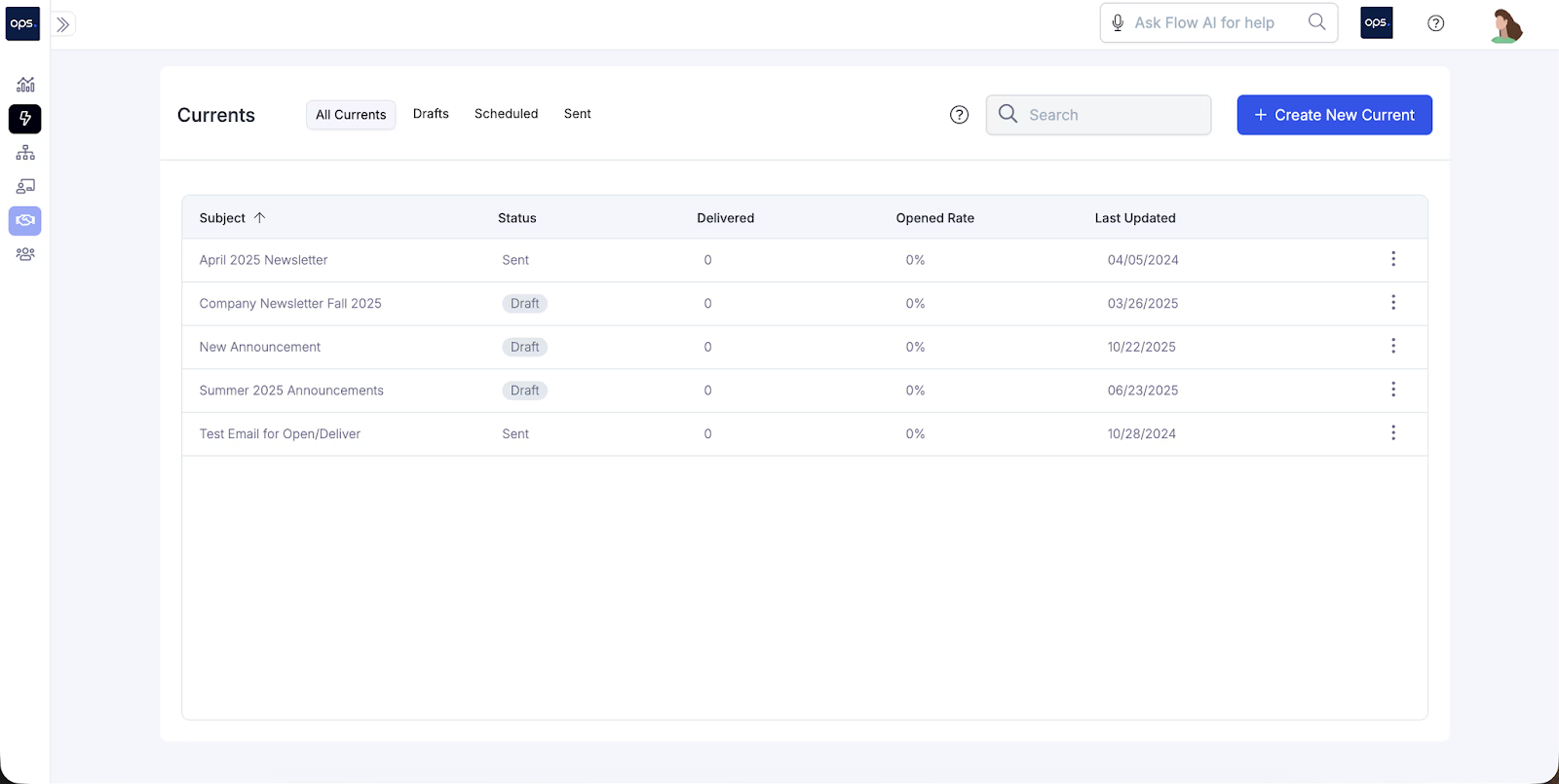
Tell employees about the anticipated impact of the training, including the skills and competencies they will acquire, potential career development opportunities after training, and instructions on accessing relevant training materials.
Ops.work is an essential tool for creating, assigning, and evaluating training courses. Our robust LMS features allow you to monitor training completion rates, send reminders, and generate reports on your training efforts and impact.
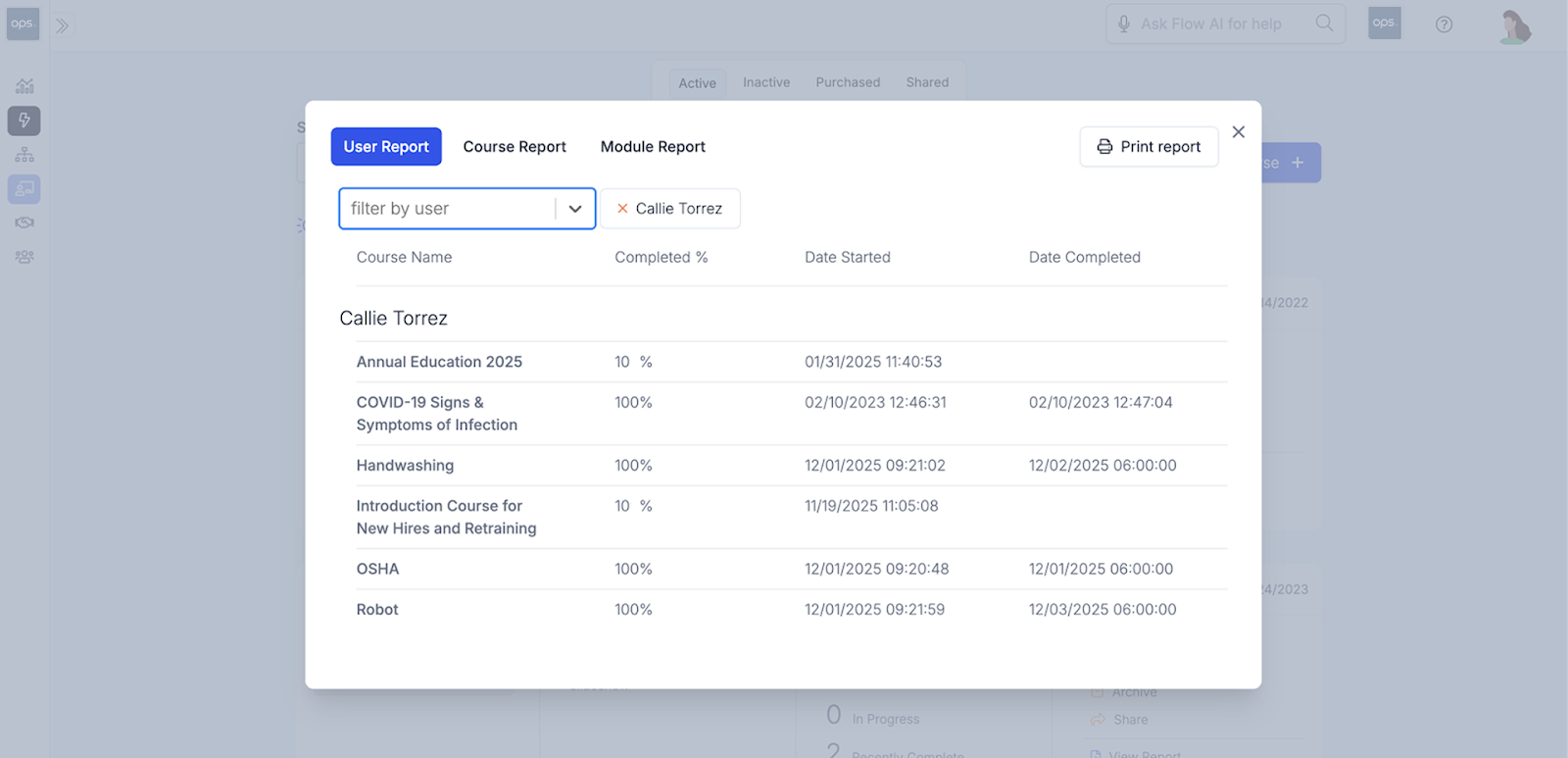
In addition, collect regular feedback to ensure you are tracking the impact of your training efforts on productivity.
Conclusion
Assessing an organization's training needs is the first step toward providing the training that fully equips your employees with the competencies to succeed in their jobs. This process can be intensive, but you can simplify it by automating it with a training needs assessment tool. Ops.work offers a range of training and evaluation features to help you optimize your training efforts. Get started with our free plan.
References
Noe, Raymond A. Employee Training and Development. 5th ed., New York, McGraw-Hill Irwin, 2010.
Robert, Neema, and Neema Mori. “Effects of Training Needs Assessment in Enhancing Employees’ Skills and Firm Performance.” Journal of Work-Applied Management, vol. 17, no. 1, 28 May 2024, https://doi.org/10.1108/jwam-05-2023-0046.
Al-Ismail, Muna Said, et al. “Learning Needs Assessments in Continuing Professional Development: A Scoping Review.” Medical Teacher, vol. 45, no. 2, 30 Sept. 2022, pp. 1–9, https://doi.org/10.1080/0142159x.2022.2126756.
Frequently Asked Questions
TNA is designed to identify skill and knowledge gaps, while training needs analysis examines the gaps discovered during the assessment to identify their root causes, thereby facilitating their resolution.
You should conduct a needs assessment when there's a significant legislative change, new technology, or a decline in performance.
Observation, interviews, reading technical materials (documentation), and focus groups are the common methods used to evaluate skills gaps. Using multiple methods is the best approach as it facilitates better results.
There are three TNA levels: individual, operational, and organizational.