
A structured technology-enabled onboarding process is crucial to retaining medical technicians. This program clarifies the role and responsibilities of your techs from the beginning, ensuring they know what to do and who to report to. Using technology enhances this process by automating repetitive processes.
Key Takeaways
- A strong onboarding program helps medical technicians feel supported, improves productivity, and reduces turnover in healthcare organizations
- Clear expectations and mentorship improve engagement and confidence
- Ongoing feedback, performance evaluations, and continuous development opportunities are essential for long-term success
A well-planned healthcare onboarding process is key to helping new employees feel welcome and get the support they need to help them succeed. Such a program is key for facilities seeking to address high turnover rates in healthcare settings.
What do Medical Technicians Do?
Medical technicians are skilled medical staff who support doctors and nurses in diagnosing and treating patients. They handle tasks such as running routine tests, administering medication, entering patient data, preparing patients for medical procedures, and setting up equipment.
They work in various settings in the medical field, either as entry-level support staff or in specialized medical environments under the supervision of licensed physicians or registered nurses. Some common medical technician specializations include:
- Emergency medical technicians (EMTs)
- Ultrasound technicians
- EEG technicians
- Sterile processing technicians
- Pathology technicians
- Surgical technicians
- Cardiovascular technicians and technologists
What are Some Healthcare Onboarding Best Practices for Medical Technicians?
Onboarding in healthcare organizations enhances compliance, improves patient outcomes, and reduces turnover. It also improves staff confidence, therefore increasing job satisfaction and engagement. Here are the best practices to help you successfully onboard healthcare workers and technicians:
Clarify the Purpose of New Hire Onboarding in Your Facility
Understanding why you want to create an employee onboarding program guides your efforts, ensuring you have a process that works for your company. Generally, all medical facilities should onboard their employees for compliance with various regulations.
Beyond this goal, healthcare facilities should identify the business goals for creating an effective onboarding process. These may include:
- Reducing recruitment costs due to new employee turnover
- Creating a sense of belonging for new team members
- Building a healthy workplace culture
- Easing the transition to practice for new hires
Use Technology to Optimize Each Stage of the Onboarding Process
Medical onboarding software streamlines onboarding and training, enabling you to integrate new employees more quickly.
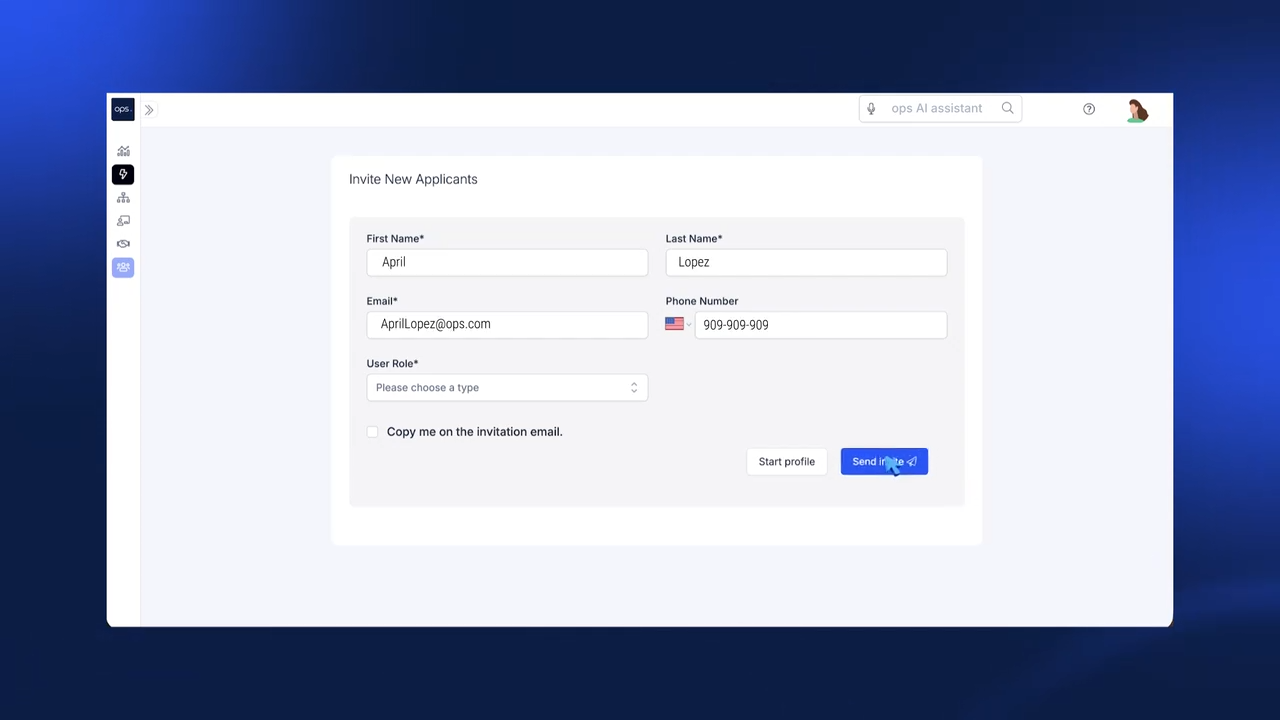
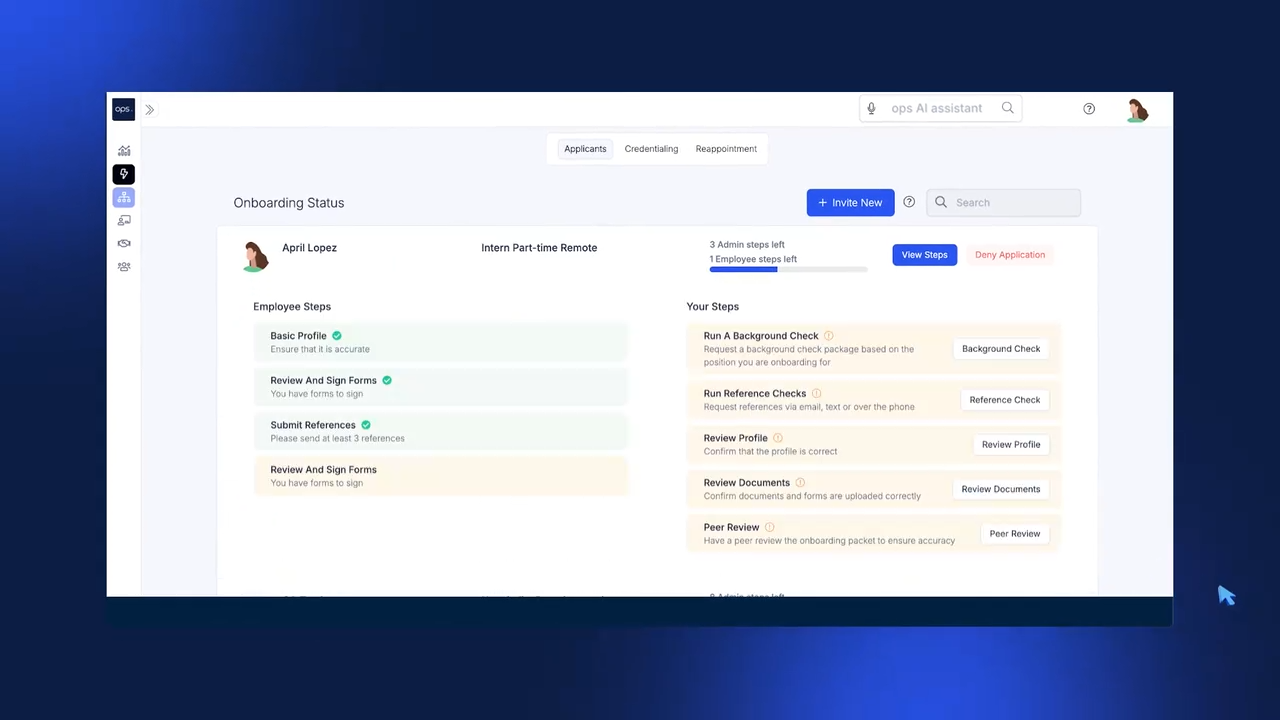
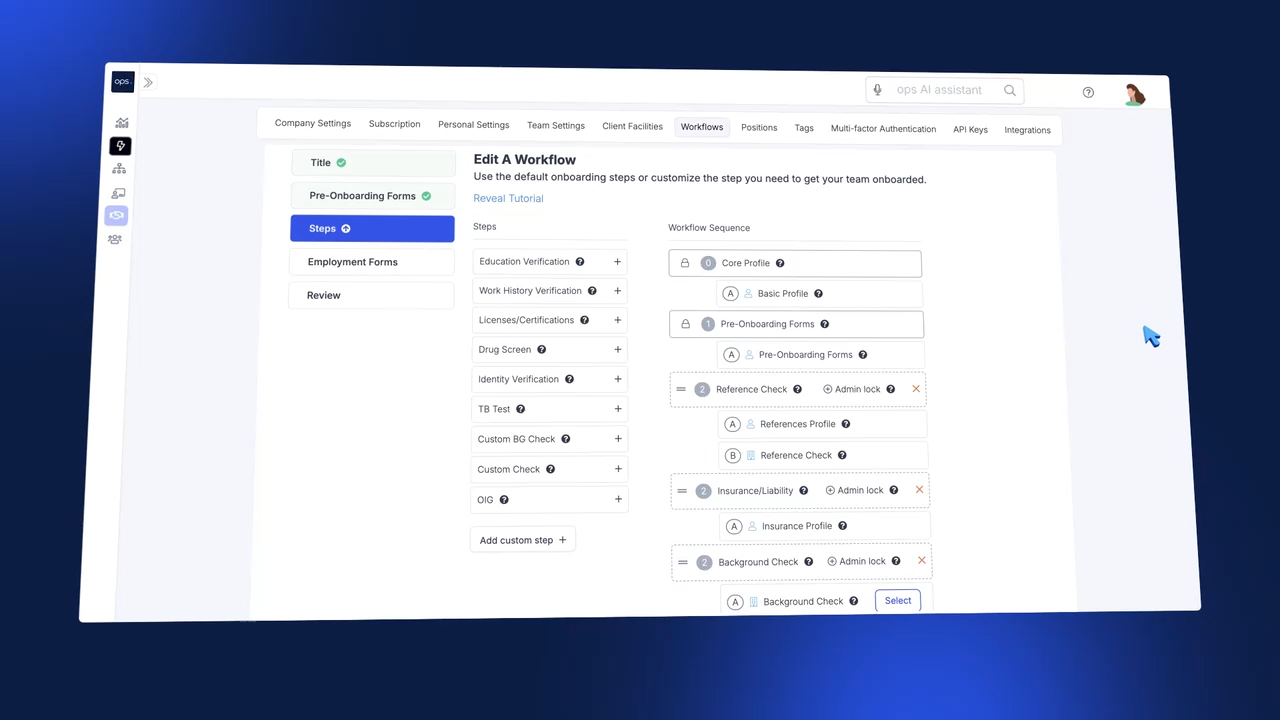
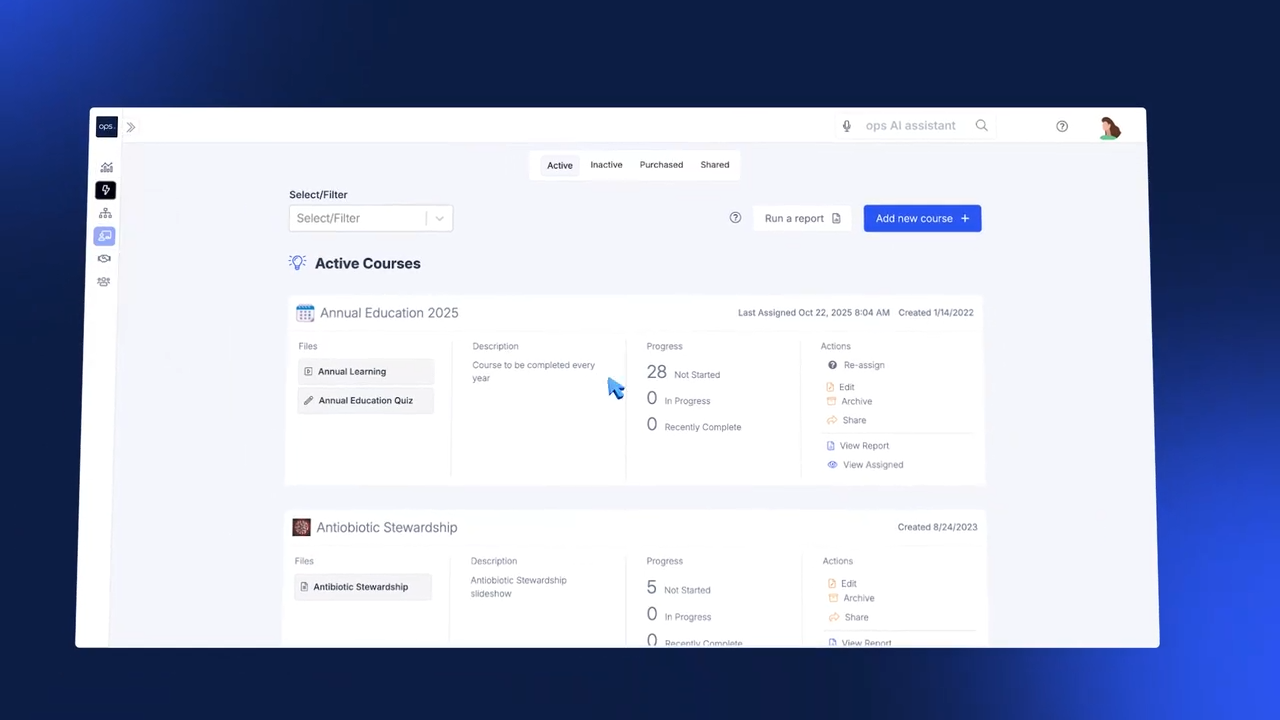
Tools like ops.work help you automate onboarding tasks, such as:
Adding new employees to your employee directory and requesting credentialing documents
Tracking employee integration and credentialing status
Create custom workflows to automate repetitive processes
Creating and assigning courses
Tracking the ROI of your efforts
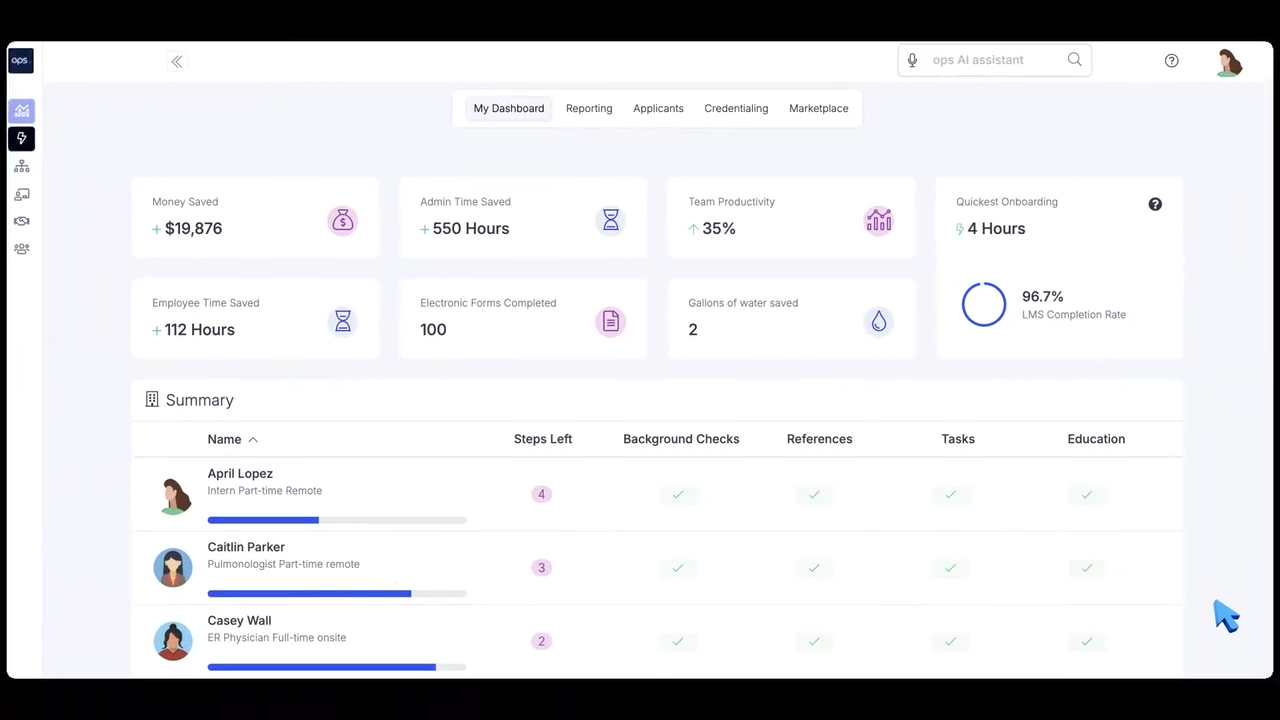
Here are a few considerations when choosing the best onboarding solution:
- Choose a tool that seamlessly integrates with your current medical technology and systems, such as HRIS
- Look for a platform that is easy to use to improve adoption by onboarding and human resources teams
- Choose a tool that makes it easy to run background checks, verify credentials, and complete HR paperwork efficiently
- The platform you choose should be within your budget. Tools like ops.work offer a free plan that allows you to integrate up to 10 employees at no cost
Create a Plan that Captures the Components of Healthcare Onboarding
Your onboarding plan should cover all five components of onboarding new employees. These include: compliance, connection, culture, clarity, and confidence. Planning your process in advance reduces employee integration time and facilitates better resource allocation.
Here's how to plan your onboarding process:
- Create comprehensive job descriptions for your medical technicians to help you map their roles, responsibilities, skills, and training requirements
- Identify the regulatory requirements you must adhere to during onboarding, including the mandatory credentials and background screenings
- Decide on your new employee integration timeline. Ideally, it should start before the official start date and last at least 90 days to help employees adjust to the new environment
- Involve key stakeholders in mapping out the onboarding activities. Start with the end goal in mind and work backwards to determine the best steps to building a strong workforce.
- Create a budget for your program that includes the direct and indirect costs of integrating new employees.
- Implement the plan, track KPIs, and optimize the process continuously
Use an Onboarding Checklist Tailored to Your Medical Practice
New hire checklists guide new employees and onboarding teams on the tasks they must complete during the integration program. They are extensive and go in-depth on the different tasks in each integration phase as follows:
- Preboarding
- Credentialing
- Orientation/ first-day activities
- New hire paperwork
- Company policies and organization
- Roles and responsibilities
- Performance evaluation and progress tracking
- Training
- Workspace and equipment provisioning
Start Shaping the Onboarding Experience Before the First Day
Each interaction a new employee has with your company shapes their experience and their desire to stay. Their impression of your brand begins long before they accept the job offer.
The employee integration process builds on this impression, affirming the medical technician that they were right to join your company.
Facilities with structured processes can provide a consistent experience for employees across departments and throughout the employee lifecycle. You can create a consistent new hire experience by:
- Create universal information that all staff must know about your organization's mission, vision, and culture
- Take advantage of your orientation program to provide detailed facility tours and team introductions to help your staff feel welcome in your organization
- Standardize your employee integration program
- Create consistent and aligned messaging throughout all touchpoints in the employee lifecycle
- Spread out the information your recent hires receive throughout the onboarding timeline to prevent information overload
- Provide access to electronic health records (EHR) systems and other tools needed to perform their jobs
Create a Comprehensive Onboarding and Ongoing Training Program For your Healthcare Staff
Medical technicians require training before they are ready to take on patient care duties. Your employee training program should be comprehensive and personalized to the new medical staff member. Here are tips for training when integrating new staff:
- Provide a training schedule on the employee's first day to help them understand the goals and expectations for the next 90 days
- Offer compliance training during orientation sessions during the first few days on the job. to review internal and external policies. These include HIPAA, OSHA, EHR, patient safety protocols, and professional code of conduct.
- Train new healthcare employees on the necessary technical and soft skills they need to become successful healthcare technicians
- Assign a mentor so that new hires have somewhere to go when they have concerns or challenges during the onboarding training process
- Provide continuous learning and refresher courses to ensure your employees stay updated on the changes in medical knowledge and regulatory policies
Your organization should adopt a culture of continuous improvement when offering training. This ensures that you provide learning materials that go beyond the initial onboarding period and material.
Track Onboarding Metrics for Long-Term Success
Feedback can make new hires feel appreciated, thus increasing employee retention. It is a two-way process between new medical technicians and their supervisors or managers.
Here's how you can turn regular check-ins with your new technicians into a gold mine for feedback to improve employee retention:
- Schedule recurring one-on-one meetings and ensure they are prioritized when they happen
- Prepare a set of effective questions that let you know where your technicians need support and feedback on
- Actively listen to your technicians. Employees who feel heard are more engaged and have higher job satisfaction levels
- Provide constructive feedback on their performance, expectations, and offer guidance on how they can improve areas where they're struggling
In addition to one-on-one feedback sessions with your new employees, track different onboarding metrics to assess the state of your processes and areas for improvement. Here are some key metrics:
- Time-to-productivity
- Job satisfaction rates for new employees
- Employee morale
- Employee retention thresholds
- Training completion rates
- Manager performance
Conclusion
Creating a structured process for integrating medical technicians helps you improve your patient experience, comply with regulations, and create a work environment that supports collaboration and continuous learning. Tools like ops.work help you implement your structured integration program and track its impact in real time. Try our free plan to improve how you onboard medical technicians.
References
Catamco, Elma. “The ROI of Structured Onboarding in Healthcare.” American Medical Compliance, 24 June 2025, americanmedicalcompliance.com/general/the-roi-of-structured-onboarding-in-healthcare/.
Ellison, Erin. “How to Improve Your Medical Onboarding & Training Process.” Insight Global, 27 June 2023, insightglobal.com/blog/improve-your-medical-onboarding-training-process/