
Effective onboarding enhances candidate experience and affirms their decision to join the organization by providing clarity on roles and responsibilities from the outset. The process typically includes four key steps: preboarding, orientation, training, and ongoing support, which help new physicians become productive and satisfied.
Key Takeaways
- Onboarding family medicine physicians improves collaboration, prevents burnout, and ensures regulatory compliance
- The process includes several steps, such as preboarding, orientation, training, and providing ongoing support and feedback
- A comprehensive checklist ensures a consistent experience and clarifies responsibility for your onboarding team
- Technology tools like ops.work streamline the process, making it easier to automate time and resource-intensive processes
- Best practices include creating an onboarding plan, clarifying responsibilities, and creating networking opportunities
- A gradual ramp-up timeline improves the onboarding experience while preventing burnout and turnover
Family medicine physicians provide comprehensive care to patients of all ages throughout the lifespan. They complete several years of formal education, residency, and fellowships to become specialty family doctors.
They work closely with communities and families; therefore, they tailor their services and methods to meet the needs of these communities and families. Family medicine doctors remain an important part of health systems, serving as the first point of contact for most patients.
Retaining them amidst growing demand and physician shortages means healthcare facilities must invest in recruitment and retention strategies that make new physicians feel valued.
Why is Physician Onboarding Important in Family Medicine?
The recruitment process is the first point of contact new physicians have with your facility. A positive candidate experience increases the likelihood of accepting a job offer. Once they do, onboarding builds on this experience, affirming the new physician's decision to accept your job offer.
Role clarity is an important component of onboarding. It ensures that your new physicians understand their responsibilities within your organization from day one. Such clarity improves engagement and productivity, resulting in higher retention rates.
Onboarding facilitates better collaboration among team members, resulting in higher patient satisfaction. Onboarding achieves this by familiarizing new clinicians with the organization's culture.
It prevents burnout, especially in early-career physicians who are more likely to burn out and leave the medical practice or career path altogether. A good employee integration program uses a gradual clinical ramp-up schedule that allows new physicians to adjust to their new position before taking up their full clinical duties.
Integrating new physicians also keeps organizations compliant. The process includes activities such as credentialing and compliance training, which ensure all new hires have the skills and qualifications for healthcare delivery.
What are the Key Steps in a Family Medicine Onboarding Process?
Onboarding is the formal process of providing the tools, resources, knowledge, and support that help new physicians become productive. The process should begin soon after a candidate accepts a job offer and continue for at least 3 months.
The onboarding period can be longer for larger facilities or early-career physicians who need more guidance and support to become productive. Regardless of the timeline, the process has four key steps, including preboarding, orientation, training, and ongoing support.
Preboarding is the first step before a new physician reports for day one in their role. It involves:
- Verifying that the new physician has the education, licensing, and clearances required for health care delivery
- Authorizing the physician to perform procedures or provide patient care services in line with their education and qualifications
- Enrolling the new hire with insurance providers to facilitate billing for services provided
- Sending a welcome email to new physicians with details about their orientation schedule, key documents, and the organization
- Providing assistance with relocation
- Sending an introduction email to familiarize new physicians with key stakeholders and team members
Orientation is the second step in integrating physicians into your facility. It begins on the first day and continues through the first week. Creating an orientation checklist ensures you provide your new physicians with a solid foundation to succeed in your organization. Here are the activities to complete during orientation:
- Introducing them to key stakeholders and their team members
- Providing a comprehensive facility tour to ensure they know where everything is
- Introducing the new physician to clinical and safety protocols and compliance regulations
- Providing EHR training to ensure that your physicians can create and manage clinical workflows conveniently
- Introducing the organization's goals, core values, mission, culture, and code of conduct
- Completing HR paperwork and policy acknowledgments
- Assigning a mentor and a supervising physician
- Meeting with a recruitment officer to review the job description, responsibilities, and performance expectations
- Providing the new hire with the ramp-up schedule so they know what to expect
Training is the third step in onboarding family medicine physicians. It includes providing:
- Mandatory compliance training, which introduces your physicians to the federal, state, and internal regulations they must adhere to during patient care.
- Role-based training which provides physicians with the skills, knowledge, and competence they need to succeed in their role. It includes job shadowing, instructor-led courses, mentorship, and hands-on learning
Ongoing support is the final step before a new physician completes the integration process. It starts with a feedback and initial performance evaluation process. Here, you assess their performance, strengths, and weaknesses and develop a plan to help them improve.
The next step involves creating a long-term career development plan. This plan depends on their experience and skills. For instance, the development plan for an early-career physician may include support for continuing medical education (CME).
For an experienced physician, support might include providing opportunities for leadership training or specialization in other areas of family medicine, such as psychiatry.
What should be included in a Family Medicine physician's Onboarding Checklist?
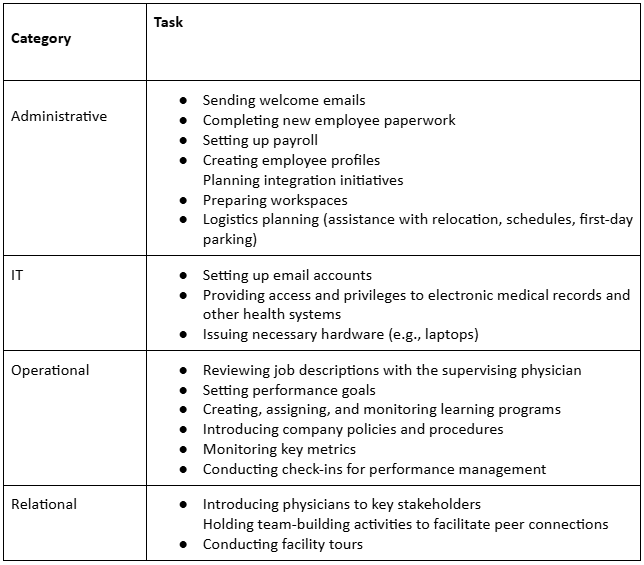
A checklist lists all the activities that a facility must complete to integrate a new physician into an organization. It ensures that nothing falls through the cracks and that all hires receive a consistent experience.
A good checklist ensures a smooth transition to practice as the integration team knows what to do to get the new physicians up to speed. Here's a breakdown of what to include in your checklist:
How can Technology Streamline the Onboarding Process for Family Medicine Physicians?
Using onboarding software is the best way to streamline onboarding and get new physicians productive faster. Tools like ops.work streamline the process, reducing errors, improving consistency, and providing a positive experience for new hospital staff.
You can try our free plan to explore the various ways ops.work facilitates successful onboarding:
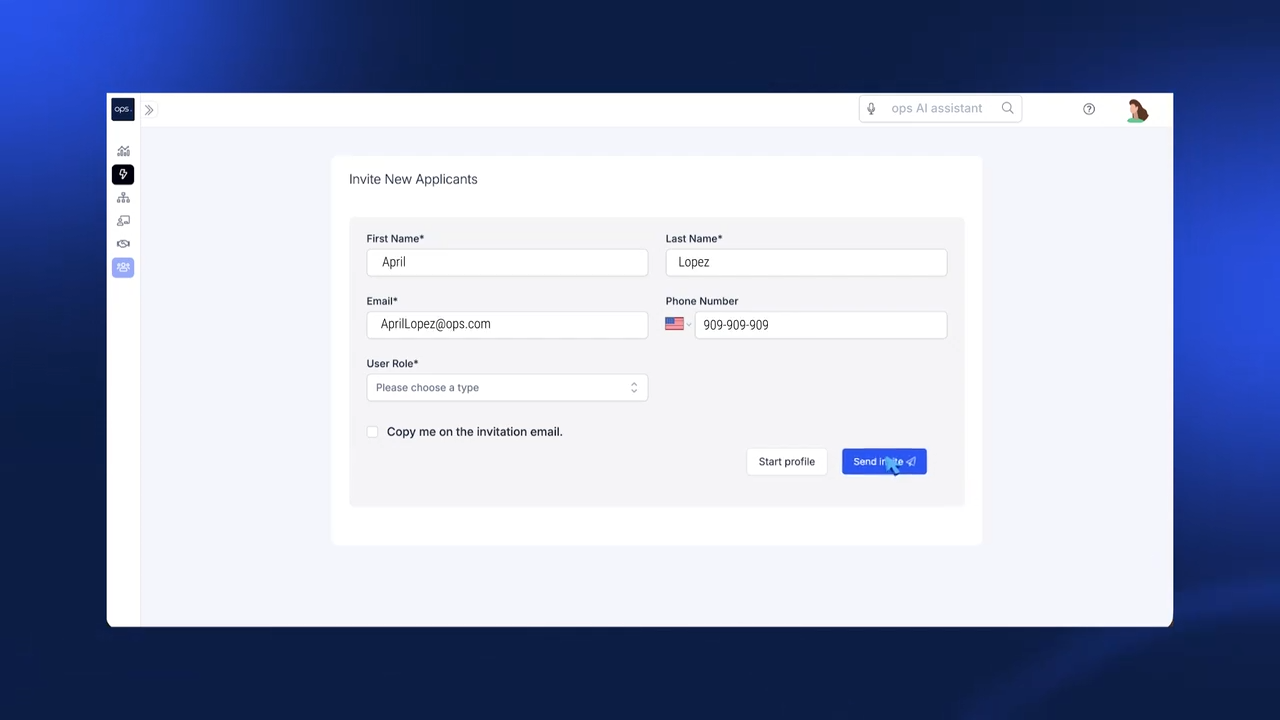
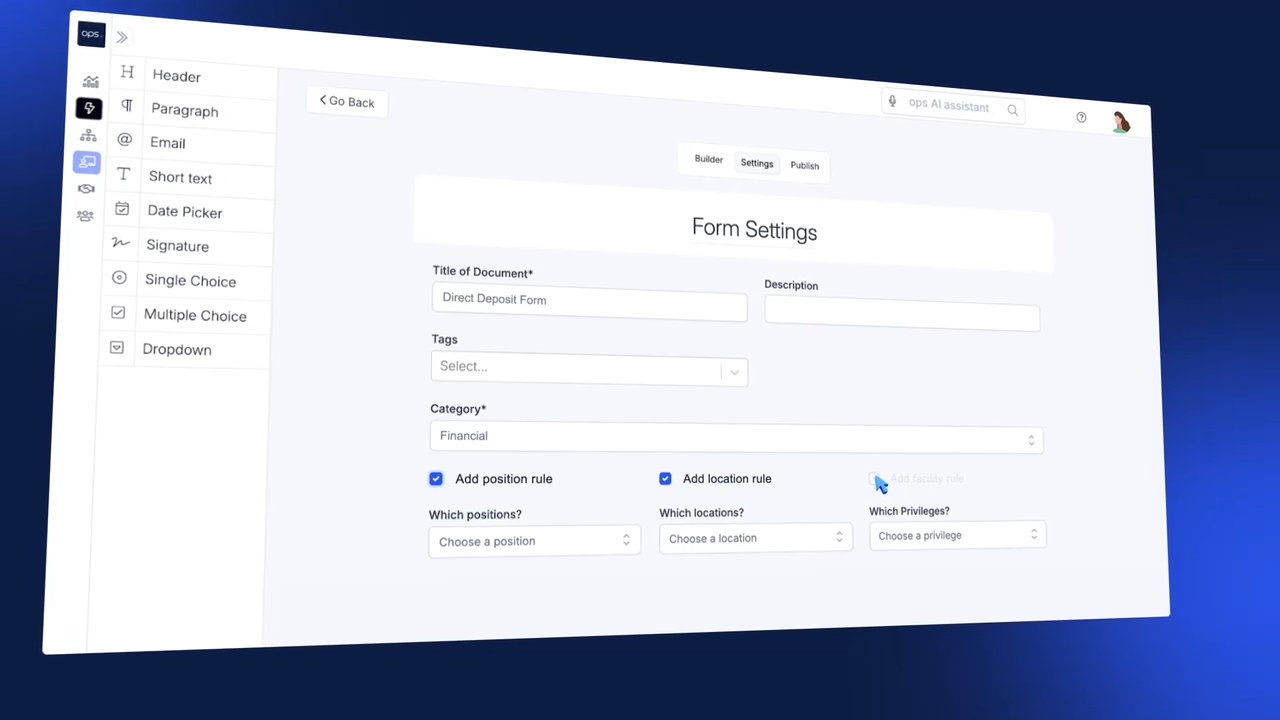
Invite new applicants onto your platform and create comprehensive employee profiles.
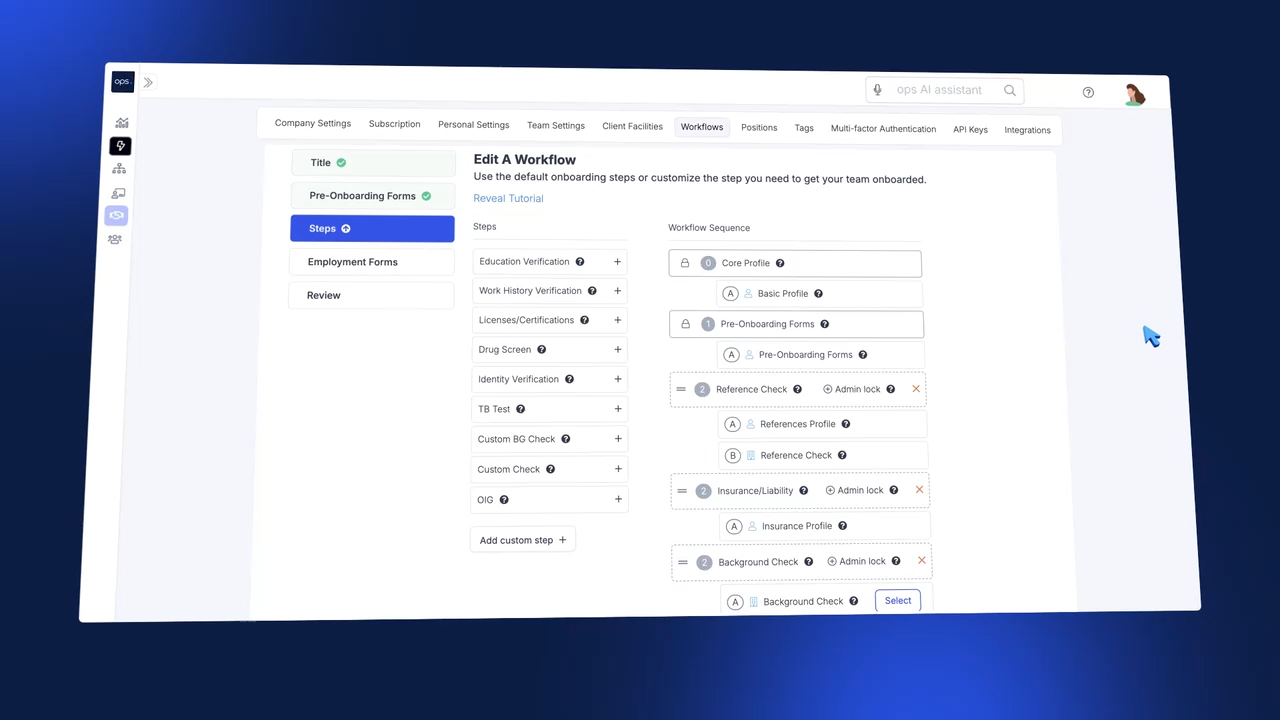
Create automated workflows to optimize manual processes such as credentialing and task management.
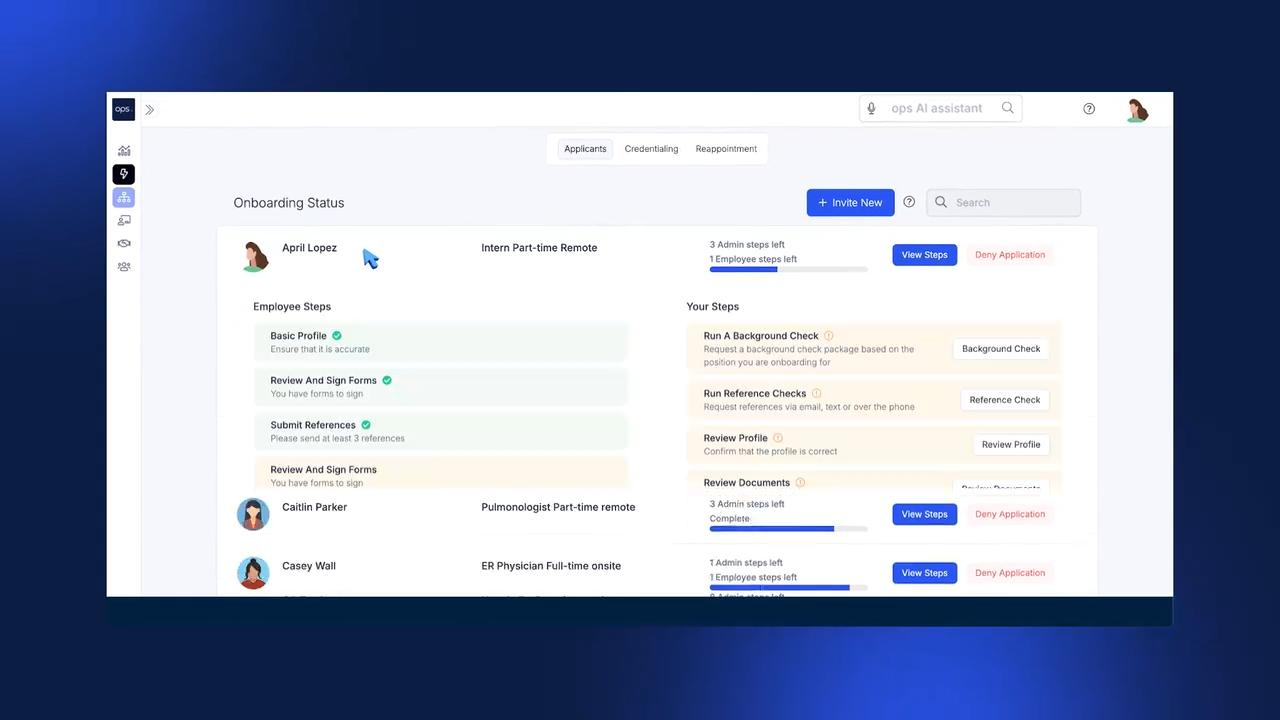
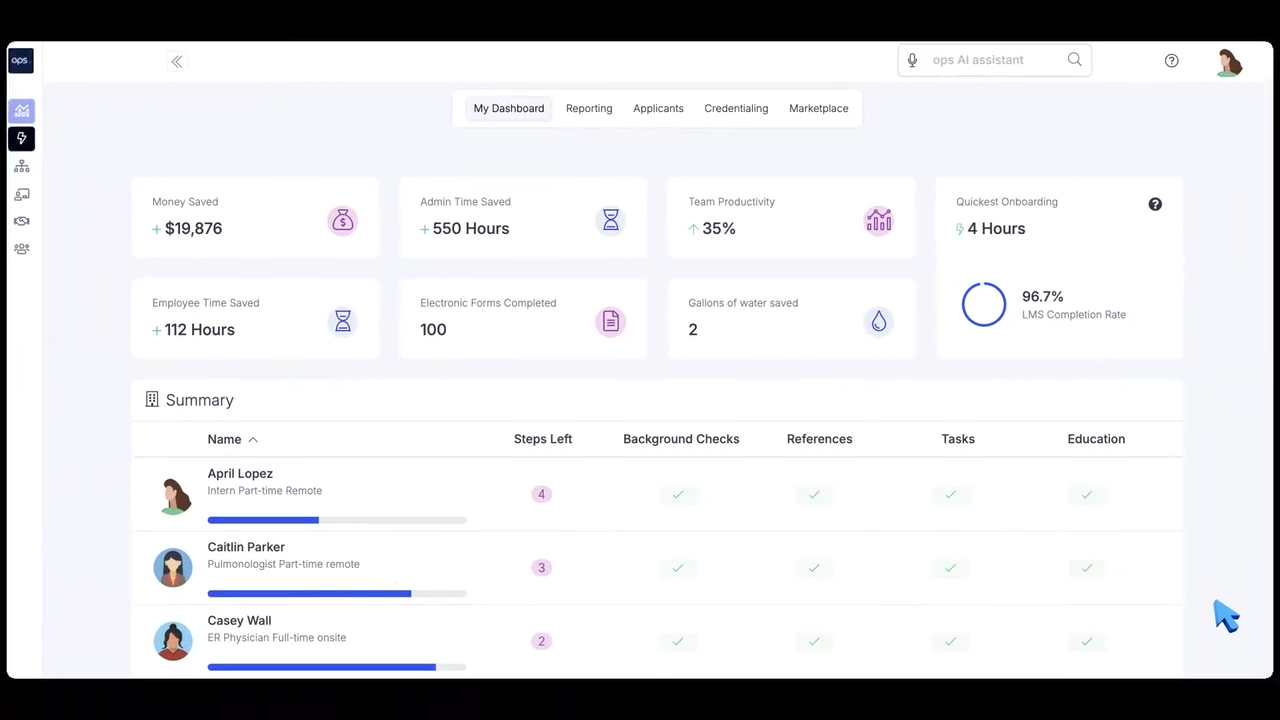
Track the progress of onboarding a new physician
Create comprehensive training modules to equip your physicians with the clinical, technical, and soft skills needed to succeed
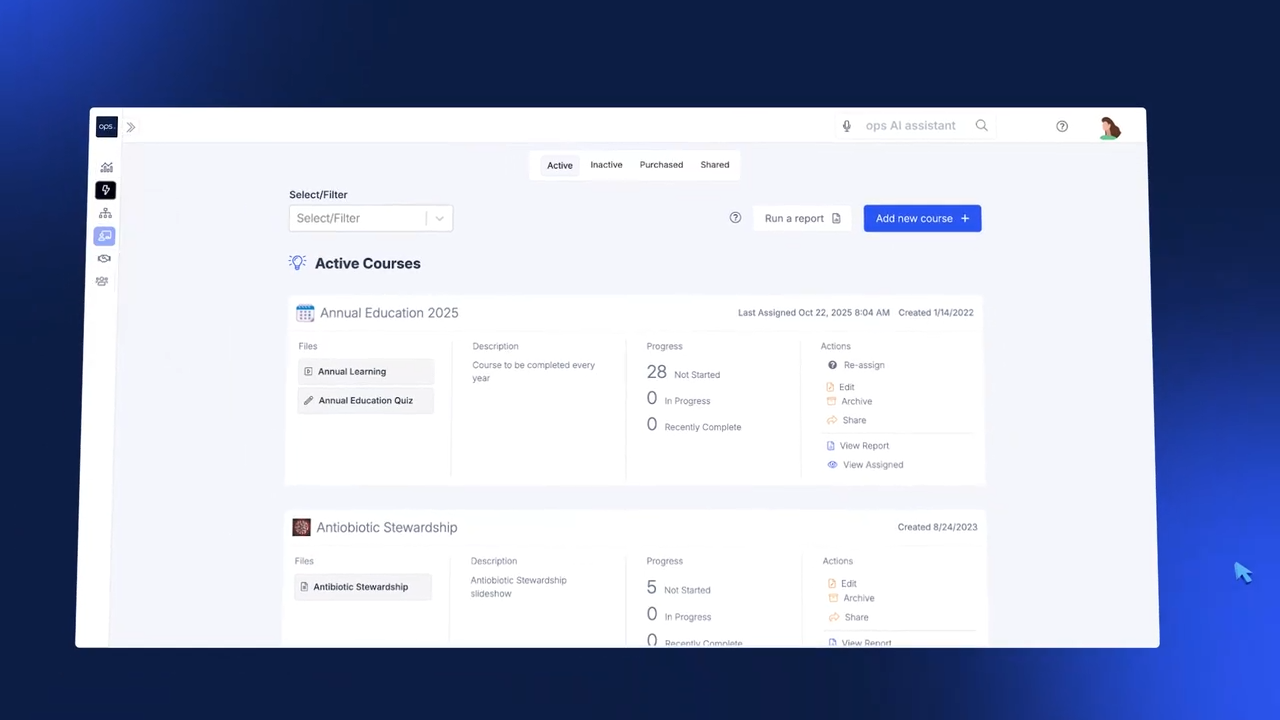
Assign role-specific training resources based on predetermined rules
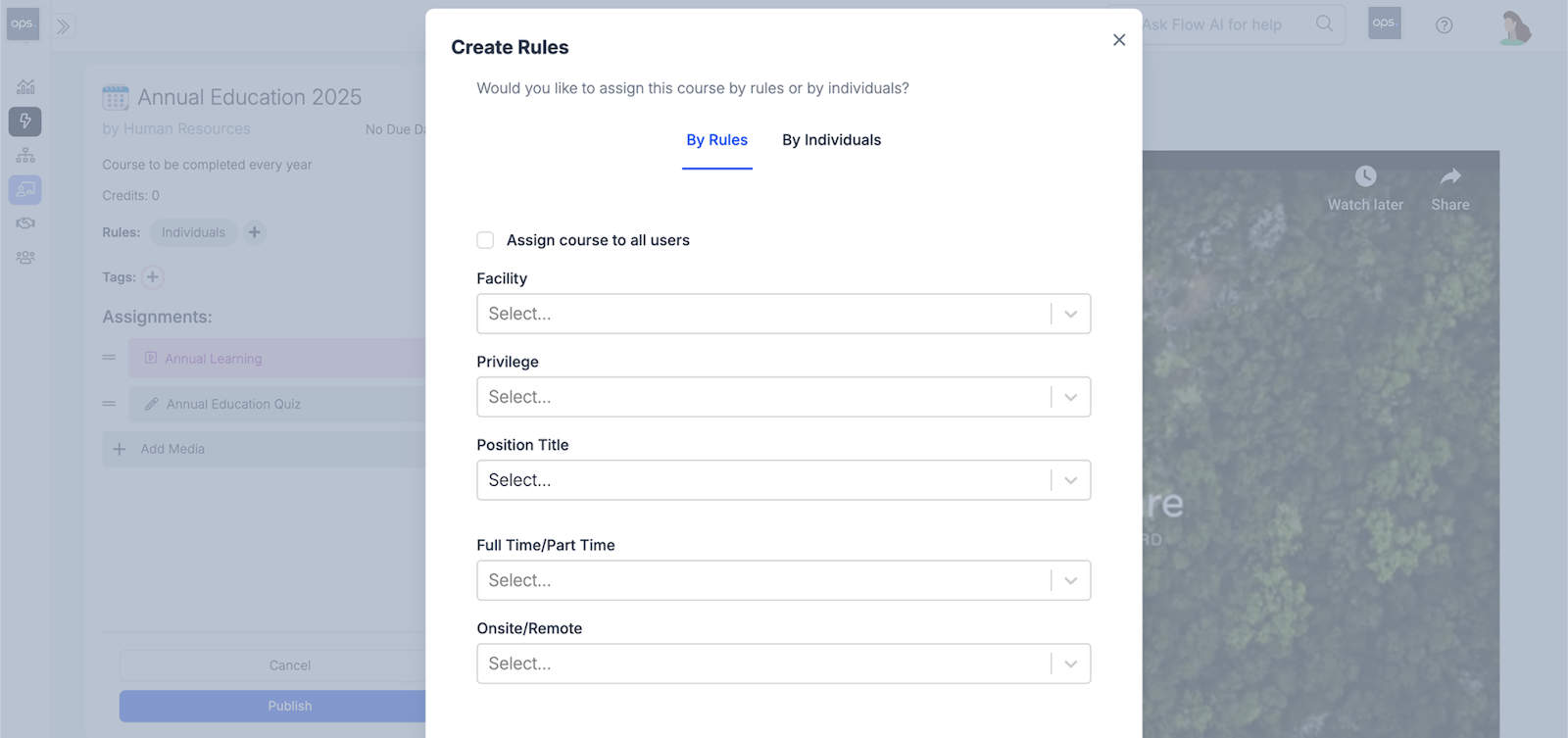
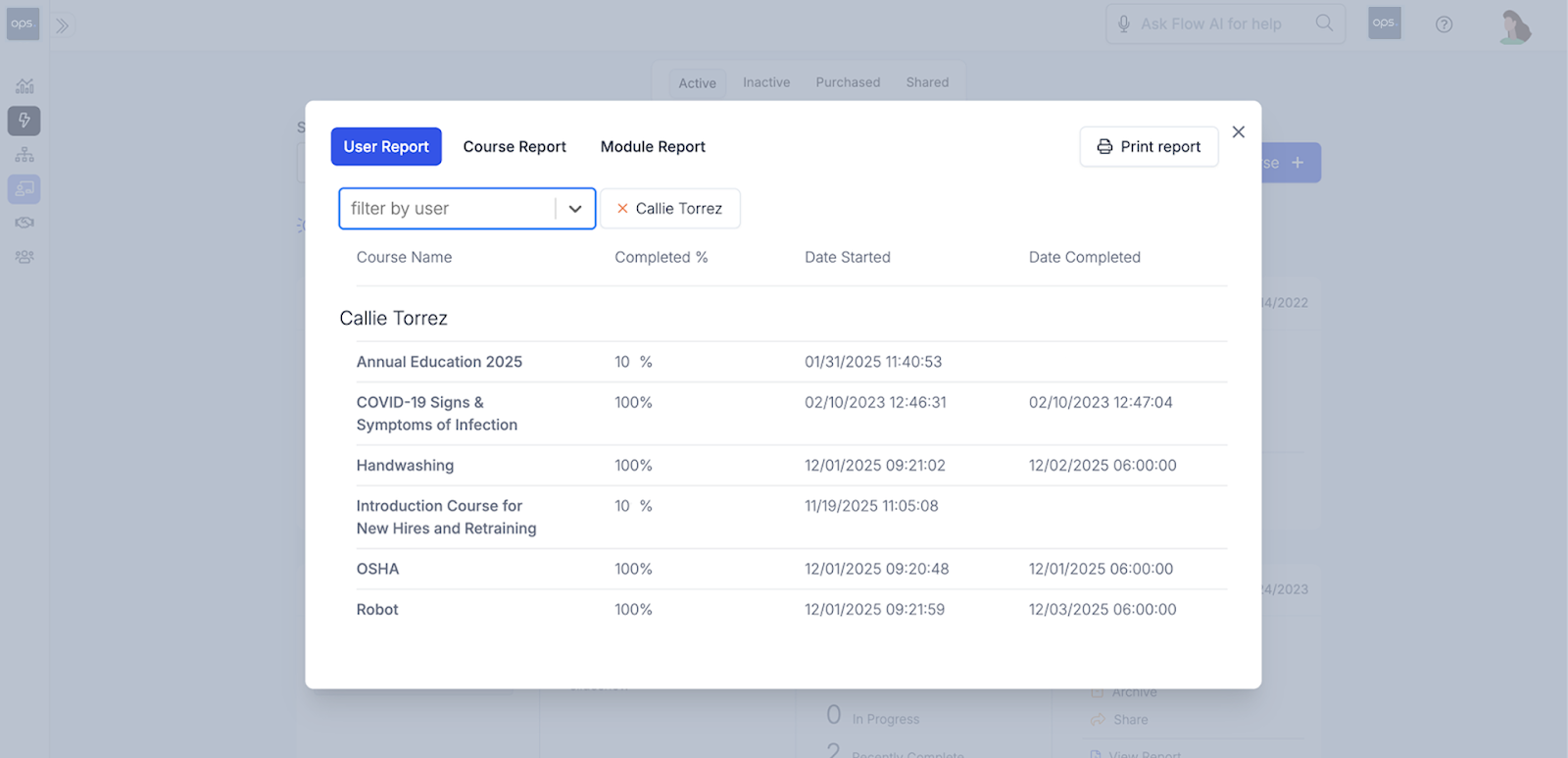
Generate LMS reports to gather insights on the impact of your programs
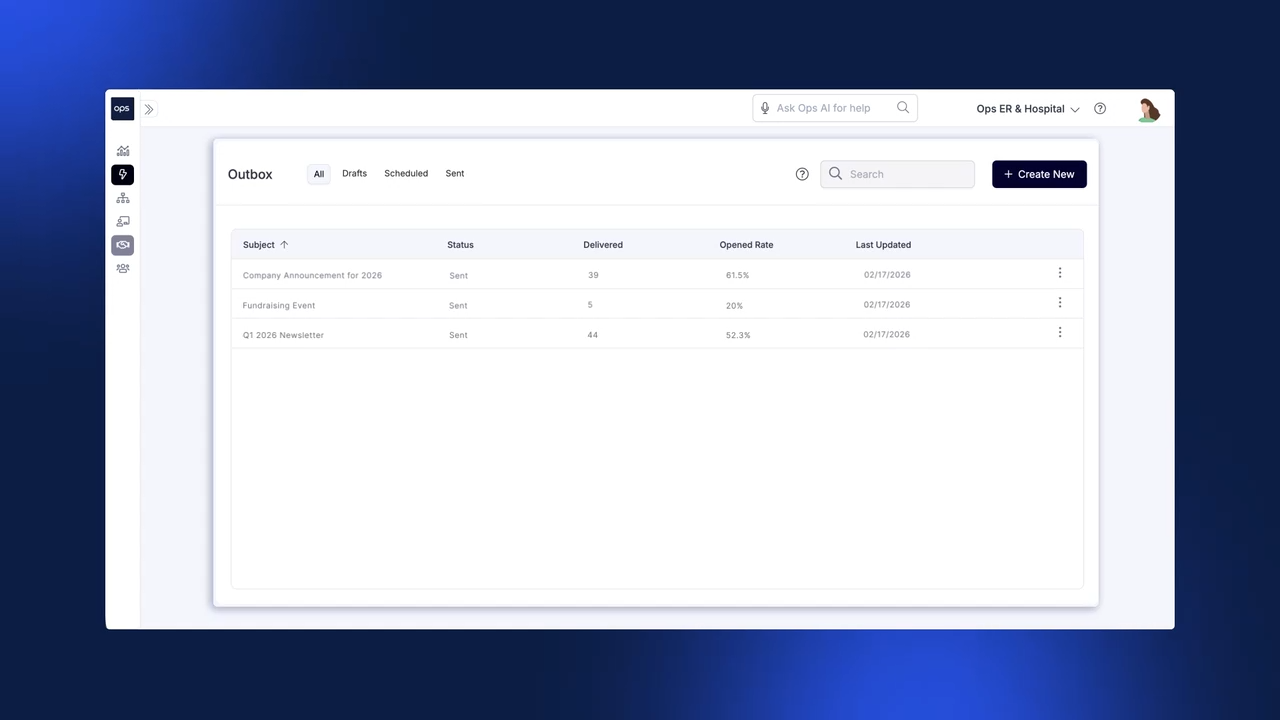
Send company-wide communication about your programs or other company resources
Create and send feedback collection tools to track physician engagement
Track onboarding metrics to measure the impact of your efforts
What are Some Best Practices for Effective Physician Onboarding in Family Medicine?
Effective onboarding ensures your new physicians have a positive experience, are engaged, and are more likely to stay with your organization. Here are the best practices to improve how you onboard your family medicine doctors:
- Start with a structured onboarding plan that outlines all the activities and people responsible for each task or stage.
- Create templates for repetitive and process-based tasks to ensure a consistent experience for each hire and compliance.
- Inform all key staff about the incoming physicians so they can adjust their workload to accommodate various tasks and provide sufficient support to the new hires.
- Plan for formal and informal networking activities to help the new physician build relationships with other providers, families, and the community.
- Track the physician's progress and performance throughout the integration process to identify any issues. This lets you provide a tailored experience that addresses each hire's unique needs while achieving your goals.
- Use software and technology tools to automate and streamline various tasks and reduce the time it takes to integrate a new hire
How can You Develop a Reasonable Ramp-up Plan for Physicians?
A physician integration plan provides a timeline for integrating physicians into your facility. The typical ramp-up time is the first 90 days of employment. However, this time can vary for every physician, depending on their needs.
A defined onboarding and training schedule ensures physicians and the integration team are on the same page about what to expect at each stage. When developing this schedule, consider:
- What resources are available
- The experience level of the physician
- The type of facility, including the clinic location and the patient population served
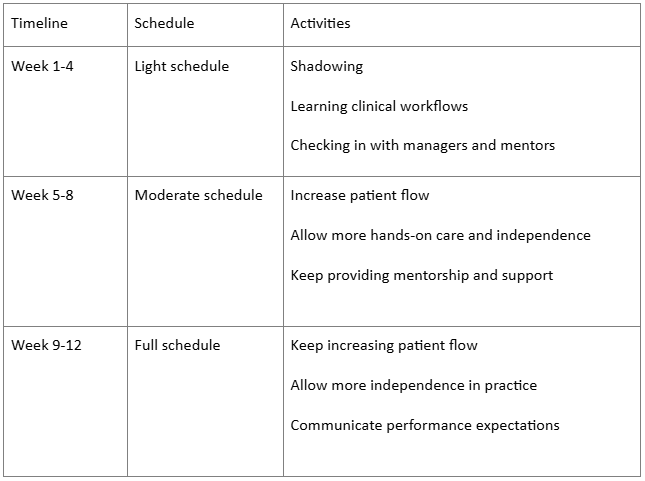
A good schedule demonstrates your commitment to physician well-being by being gradual, combined with mentorship, and provides enough time for learning. Such a schedule facilitates job satisfaction and reduces turnover among new physicians as they have the time to adjust before taking on full clinical responsibilities.
Here's an example of an integration schedule:
Conclusion
A structured physician integration program lays the foundation for family medicine doctors to succeed in your organization. Creating a gradual integration schedule, automating with technology, and incorporating checklists make the process more efficient. Get started with our free plan to automate your integration process.
References
HENDERSON, WENDY, et al. “A New Approach to New Physician Orientation: Six Key Components.” Family Practice Management, vol. 26, no. 4, 15 July 2019, pp. 24–28, www.aafp.org/pubs/fpm/issues/2019/0700/p24.html.
Spoehr, Christina. “New AAMC Report Shows Continuing Projected Physician Shortage.” Association of American Medical Colleges, 21 Mar. 2024, www.aamc.org/news/press-releases/new-aamc-report-shows-continuing-projected-physician-shortage.
Khullar, Dhruv, et al. “Turnover and Burnout among Family Physicians.” JAMA Internal Medicine, 30 Mar. 2026, jamanetwork.com/journals/jamainternalmedicine/article-abstract/2846971, https://doi.org/10.1001/jamainternmed.20
Frequently Asked Questions
A good program should create formal and informal opportunities for new physicians to build relationships with their colleagues and managers. Initiatives such as introductory meetings with key stakeholders, team lunches, team building activities, and mentorship.
Feedback provides key insights into the onboarding experience. Through feedback, managers can develop actionable steps to facilitate successful onboarding.
An effective onboarding program must include five key components: culture, connection, confidence, clarity, and compliance.
Onboarding includes four key phases: preboarding, orientation, training, and ongoing support.