
Medical assistants (MAs) perform administrative and clinical tasks in various healthcare settings. Effective onboarding is crucial for retaining MAs. A good onboarding program facilitates compliance, connections between new and existing staff, new-hire confidence in their competence, immersion into the organizational culture, and role clarity. Tools such as ops.work streamline onboarding, ensuring efficiency and a consistent experience.
Key Takeaways
- Medical assistant onboarding includes five key elements: connections, compliance, clarity, confidence, and culture
- Onboarding includes verifying educational credentials and training to support MAs in delivering quality patient care, and typically takes about 12 weeks.
- Essential skills for MAs include interpersonal, clinical, and administrative abilities, typically acquired through accredited programs and ongoing training
- Onboarding software, like ops.work, streamlines processes by automating workflows and providing comprehensive training modules
Medical assistants are allied health professionals who perform administrative and clinical tasks in diverse healthcare settings alongside various healthcare professionals. Some of these tasks include managing electronic health records (EHR), recording patient vital signs, taking patients' medical histories, and inventorying medical and office supplies.
Their scope of practice varies by state and may include additional tasks such as phlebotomy and patient education.
Medical assistants play an important role in team-based care, but healthcare facilities still struggle to hire and retain them. As healthcare leaders grapple to recruit MAs, they may rush onboarding, resulting in poor experiences that leave new hires confused and disconnected from their roles.
What Are the Main Elements of a Certified Medical Assistant Onboarding Process?
Connection is a key element of the onboarding process that focuses on building formal and information relationships between MAs, their teams, and managers. These relationships serve as key stepping stones for your new hire's medical assisting career at your facility and beyond.
You can facilitate these relationships by assigning a mentor to new MAs during the orientation program. These mentors provide support as your MAs transition into their role. They also serve as a bridge to the company's culture.
A company's culture refers to the written and unwritten rules that govern how the organization operates, as well as its shared beliefs. A good onboarding program includes cultural integration as part of the process. It does this in several ways:
- Introduce new MAs to their colleagues through formal and informal activities
- Give a thorough facility tour to familiarize your employees with your organization
- Introduce your new hire to the company's mission, vision, and core values
- Assign a mentor or buddy to ensure your new hires have an approachable person they can go to for support and guidance
Your program should also build your medical assistants' confidence in their ability to apply their knowledge and skills to their jobs. You can achieve this through comprehensive programs that include mentorship and shadowing for hands-on training.
In addition to training, providing role clarity also contributes to a medical assistant's confidence in their role. You should meet with the new MA as soon as they report for work to discuss the role of medical assistants in the medical office.
Providing clarity ensures your MAs understand what they should be doing, who to report to, and what goals they are working towards. Such clarity also ensures they know the career advancement opportunities within and outside your facility, which can improve satisfaction and engagement.
Compliance is another critical element of healthcare onboarding. It ensures your facility complies with internal and external regulations, thus preventing financial and legal liability. An onboarding program can maintain compliance in several ways:
- Providing mandatory training modules that cover regulatory requirements such as OSHA, HIPAA, and cybersecurity regulations
- Keeping audit-ready records of medical assistant training programs and credentialing records
- Verifying the certification to ensure they meet the certification and education requirements to provide patient care
- Ensuring new hires complete all the necessary paperwork, including policy acknowledgements
How Can I Streamline the Certified Medical Assistant Onboarding Process?
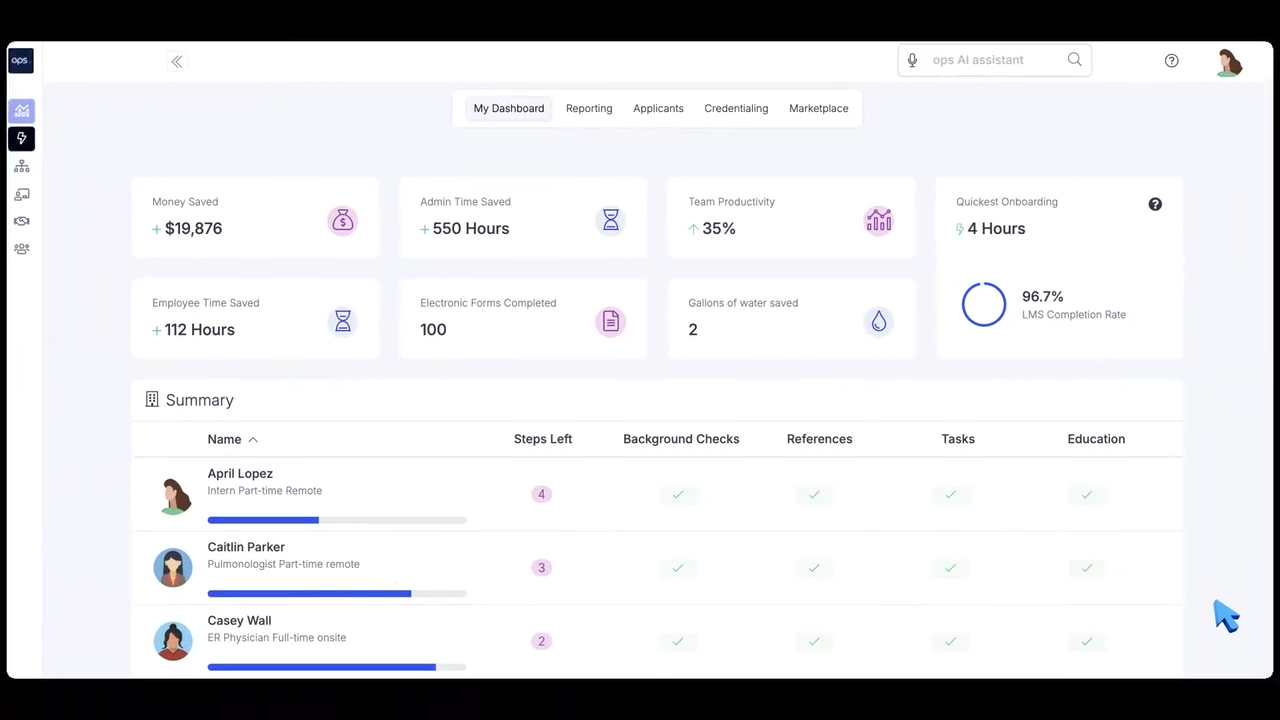
Using onboarding software is the best way to streamline the integration of medical assistants into your medical practice. Tools like ops.work are built with healthcare facilities in mind, optimizing medical assistant integration to reduce time-to-productivity. You can try our free plan to explore the various ways ops.work streamlines new hire integration:
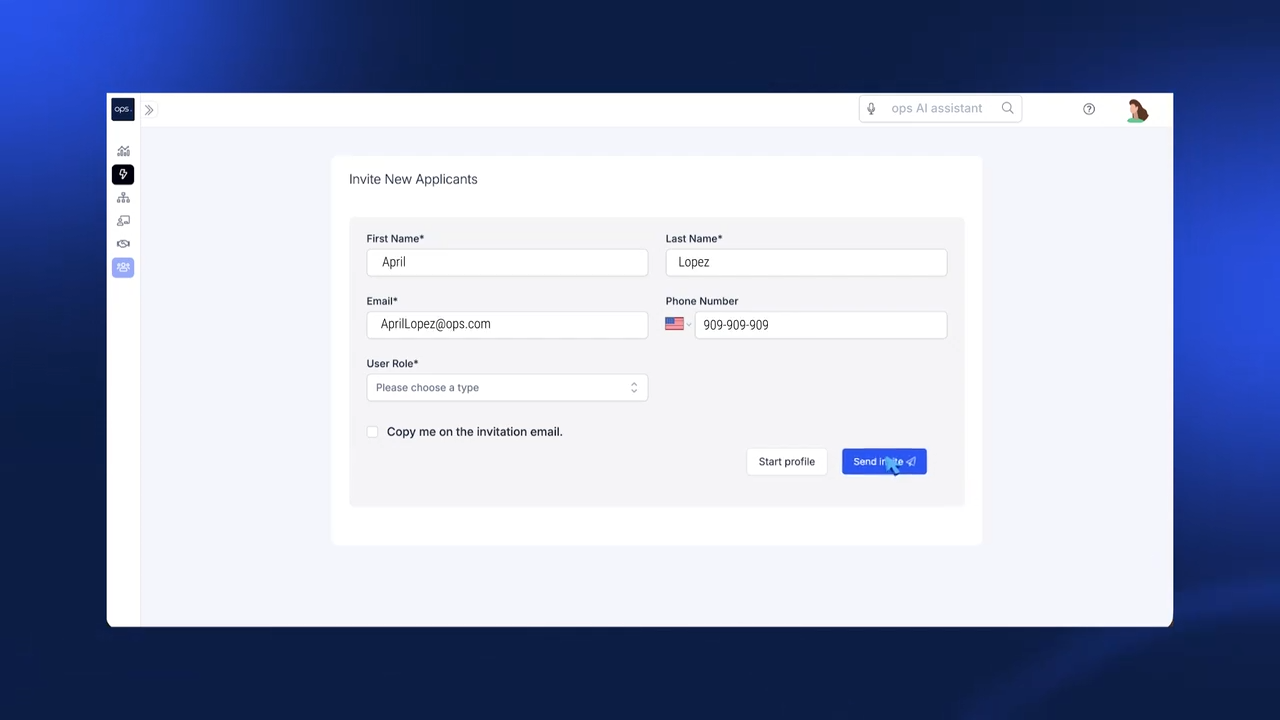
Invite new applicants onto your platform and create comprehensive employee profiles.
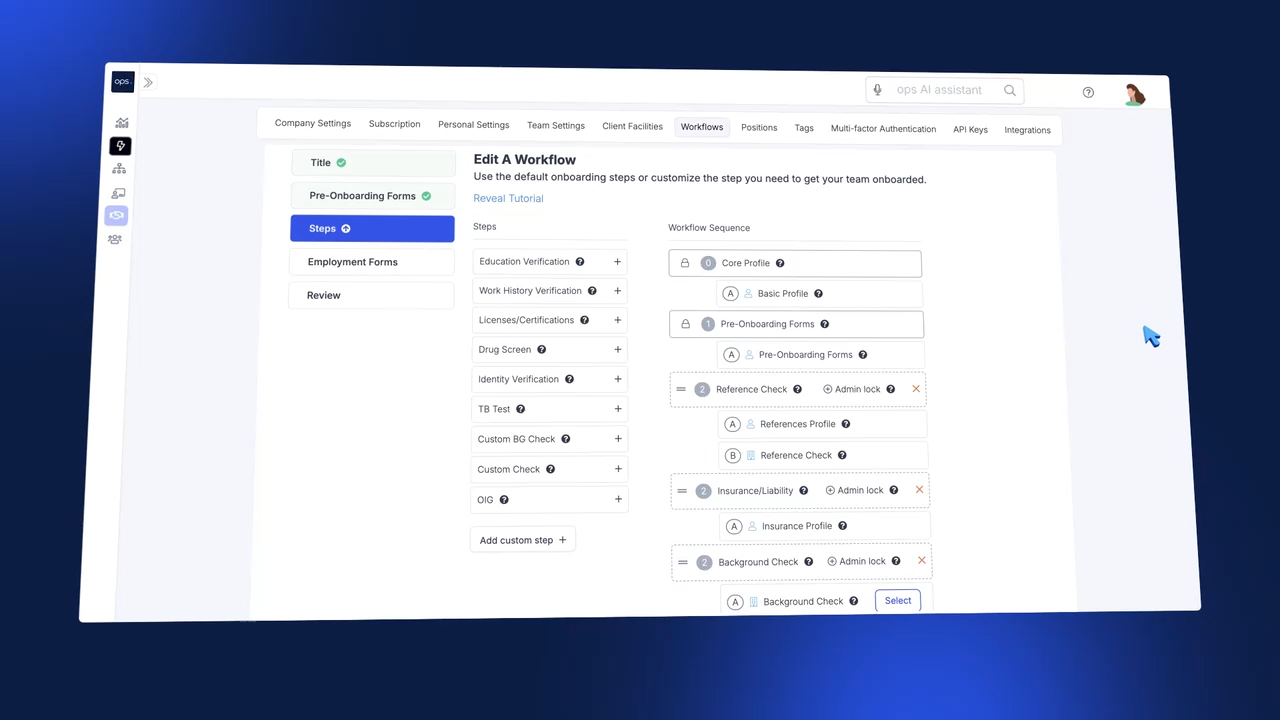
Create automated workflows to optimize manual processes such as credentialing and task management.
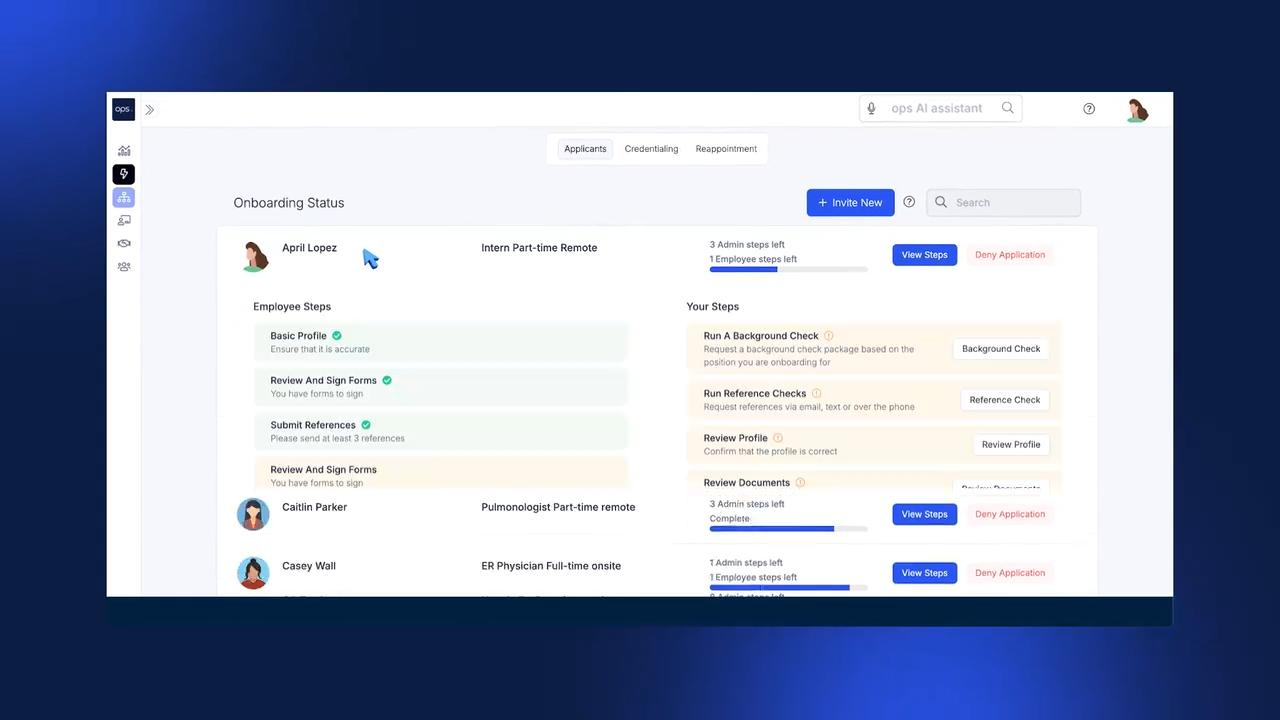
Track the onboarding status
Create comprehensive training modules to equip your care team with the technical and soft skills needed to succeed
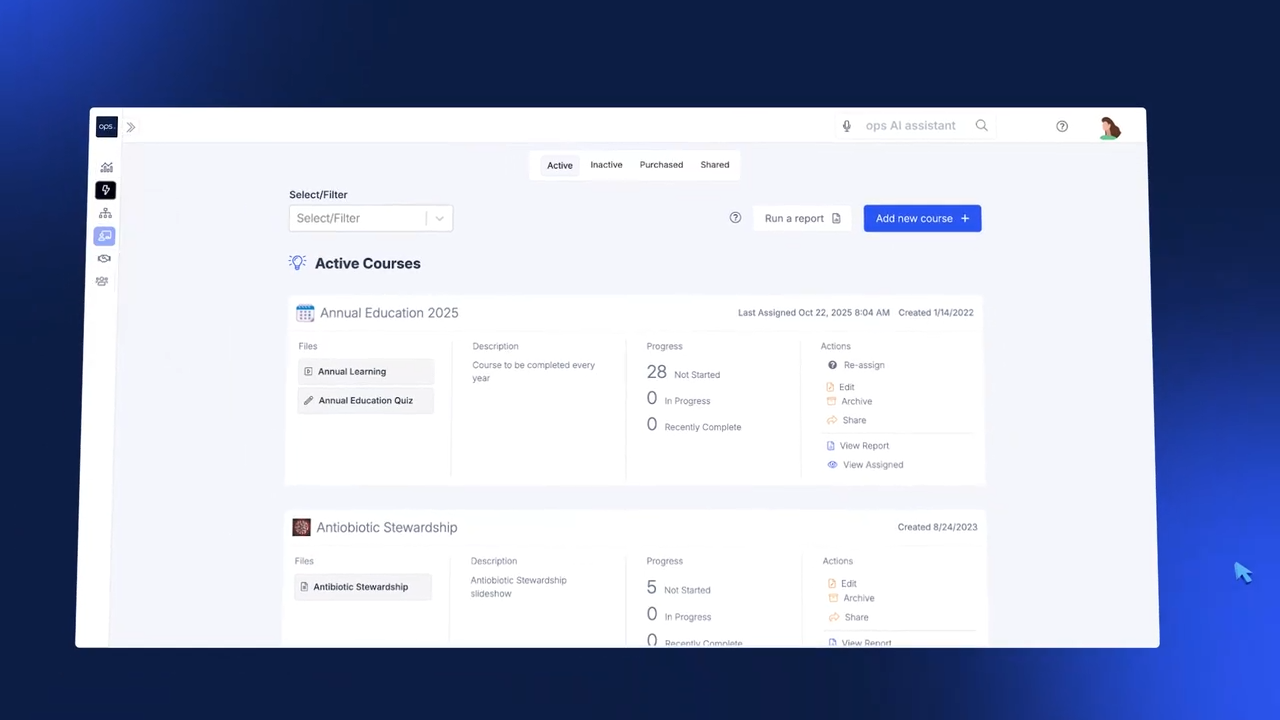
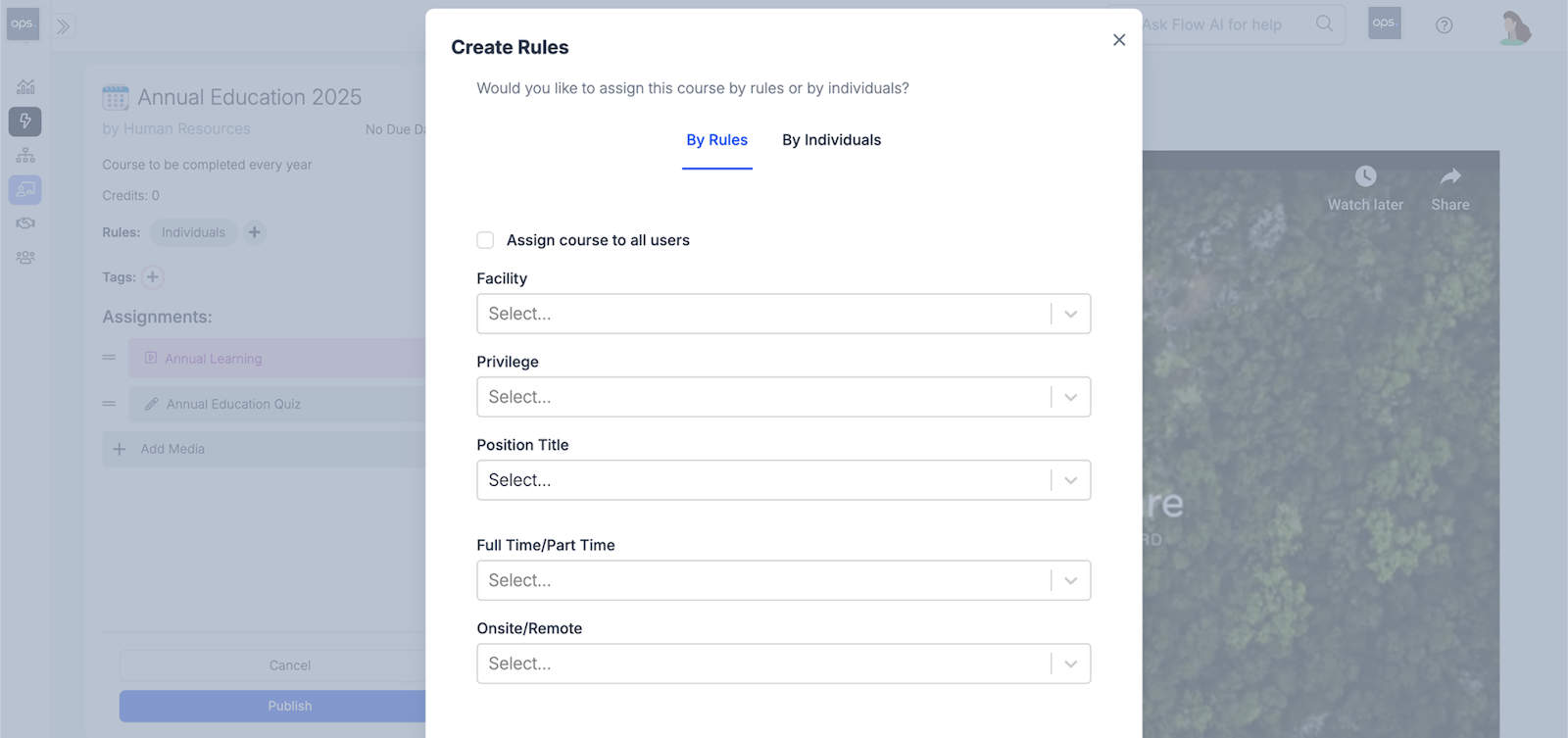
Assign training materials based on role or other predetermined rules
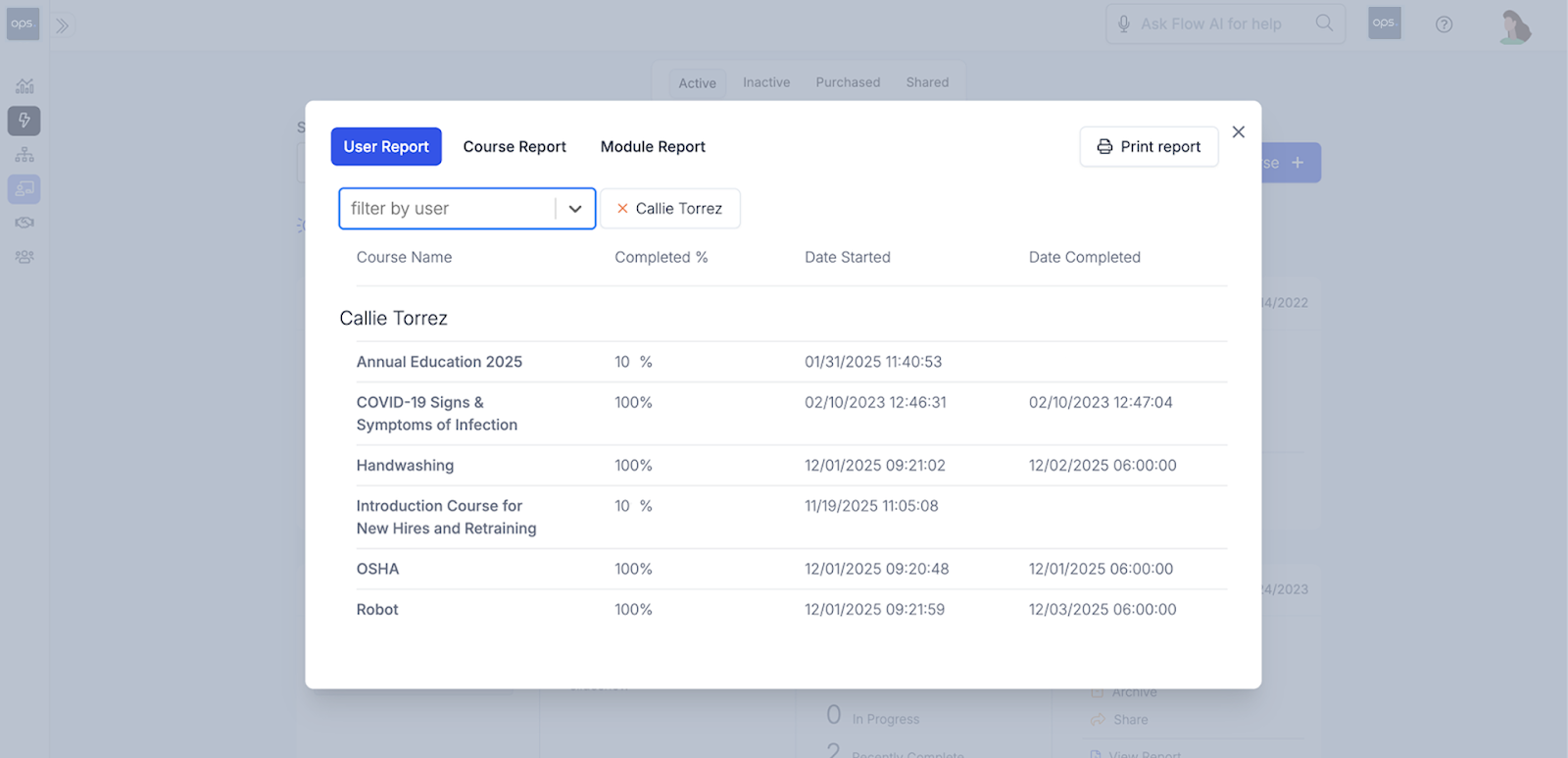
Generate LMS reports to gather insights on the impact of your training programs
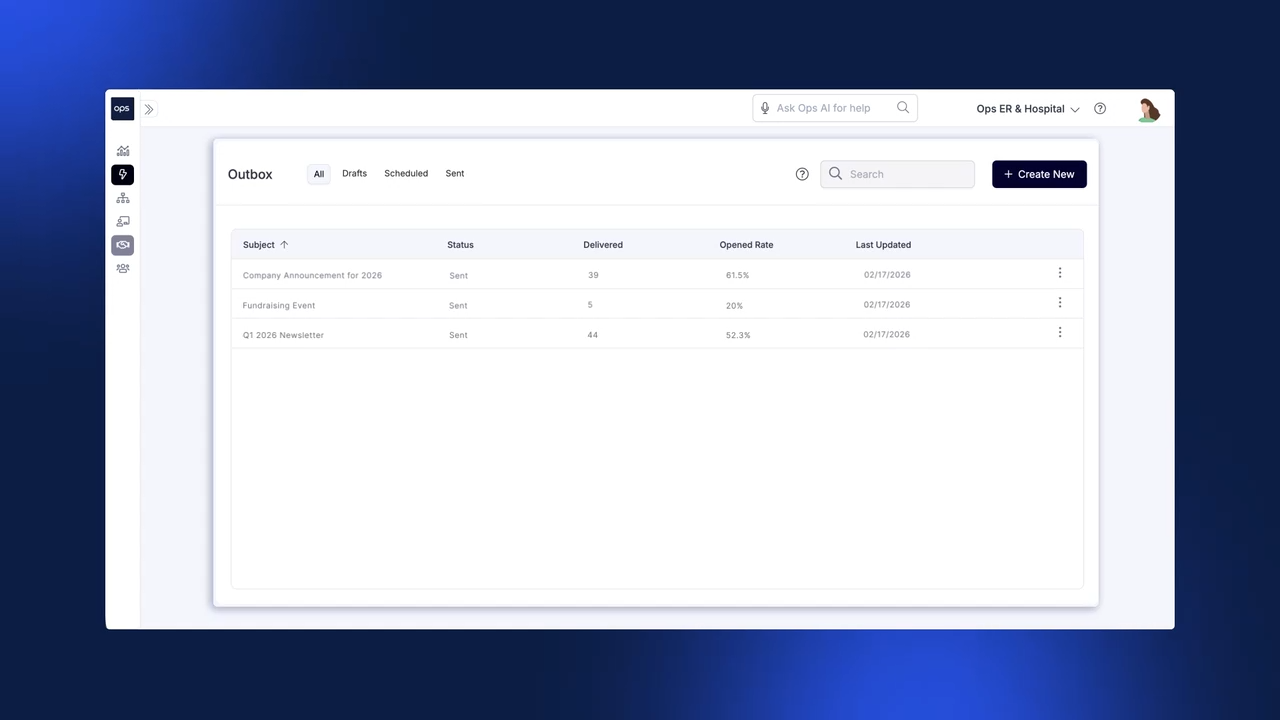
Send company-wide communication about your programs or other company resources
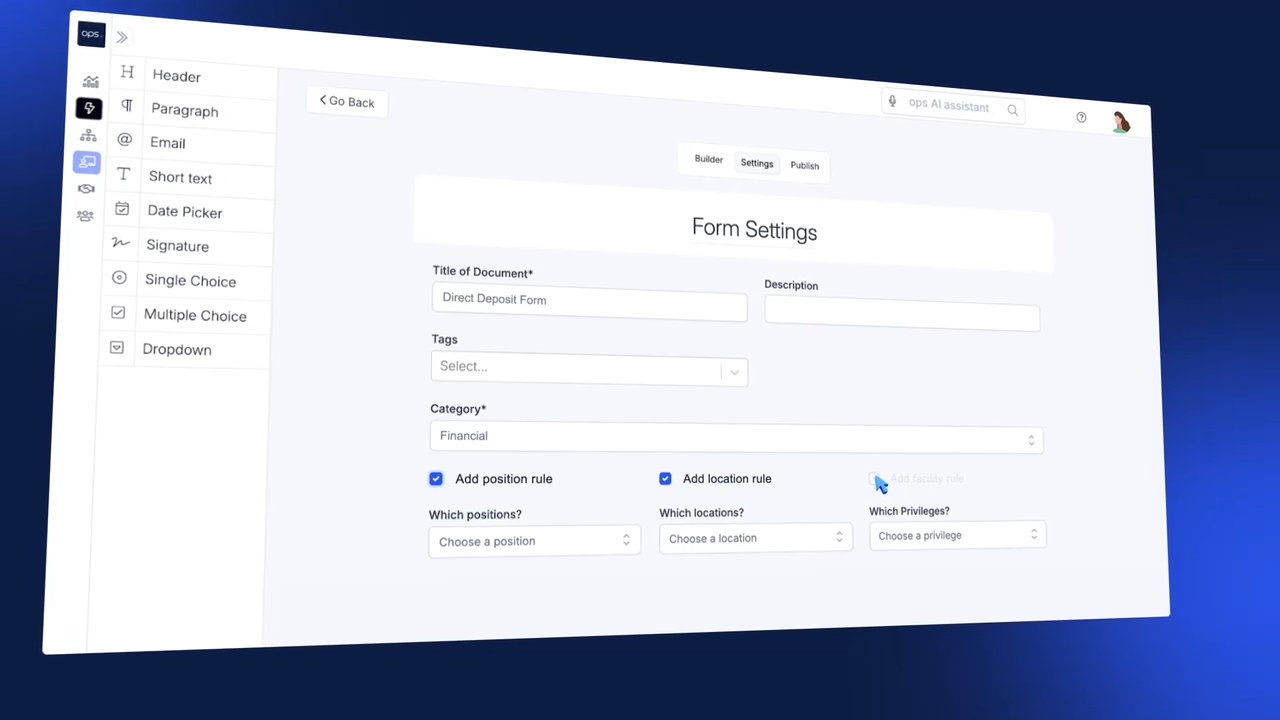
Create and send feedback collection tools to understand your employees' experience
Monitor real-time data on the impact of your efforts on cost savings, training uptake, and ROI.
What are the Essential Skills and Training for a Certified Medical Assistant?
Medical assistants need a combination of clinical and administrative skills acquired through formal medical assistant programs and on-the-job training. The common accredited medical assisting programs that allow one to become a certified medical assistant include:
- Registered Medical Assistant (RMA) from the American Medical Technologists (AMT)
- Certified Clinical Medical Assistant (CCMA) from the National Healthcareer Association (NHA)
- CMA certification from the American Association of Medical Assistants (AAMA)
These programs offer training in various areas, including pharmacology, medical terminology, clinical workflows, billing and coding, insurance claim processing, infection control, and medical records management.
MAs pursuing a career in healthcare must take certification exams at the end of a medical assisting program, which may take several years to complete. They must also take complete continuing education courses to maintain certification, demonstrate competency, and keep up with industry developments.
Here are the administrative and clinical skills that many employers require for the role of a medical assistant:
- Interpersonal skills such as communication, problem-solving, and teamwork
- Clinical skills such as patient preparation, taking vitals, performing blood draws, and administering medications
- Admin skills such as scheduling and processing insurance claims
In addition to formal medical assistant certification, MAs require on-the-job training after job placement to gain hands-on experience in providing safe patient-centered care.
Conclusion
MAs assist with administrative and clinical duties. Effectively onboarding them ensures they have access to the support and resources they need to succeed in their healthcare careers. Using tools like ops.work improves practice efficiency for medical offices with up to 500 employees. Try our free plan to provide a positive experience to your new medical assistants.
References
Friedman, Jessica L., and Dana Neutze. “The Financial Cost of Medical Assistant Turnover in an Academic Family Medicine Center.” The Journal of the American Board of Family Medicine, vol. 33, no. 3, 1 May 2020, pp. 426–430, www.jabfm.org/content/33/3/426, https://doi.org/10.3122/jabfm.2020.03.190119.
U.S. Bureau of Labor Statistics. “Medical Assistants: Occupational Outlook Handbook: U.S. Bureau of Labor Statistics.” Bls.gov, 29 Aug. 2024, www.bls.gov/ooh/healthcare/medical-assistants.htm.
Frequently Asked Questions
The steps involved in CMA onboarding include verifying that they meet educational requirements, familiarizing the new MAs with the facility, and providing training to ensure they gain the knowledge required to provide better care.
A CMA onboarding template provides a step-by-step guide that walks you through the steps to help newly hired CMAs become productive faster while maintaining high levels of engagement and retention.
It takes about 12 weeks to onboard a new medical assistant. This timeline can be shorter or longer depending on the facility.