
Effective physical therapist onboarding facilitates compliance, positive relationships between staff, confidence in new hires, role clarity and integration into the company’s culture. The process begins shortly after recruitment with the preboarding process. Once a new hire reports for their first day, they receive a comprehensive orientation, followed by training for the next 90 days. Throughout the onboarding period, collecting and providing feedback helps identify and fix issues before they cause disengagement and turnover.
Key Takeaways
- Effective PTA onboarding includes preboarding, orientation, training, and feedback
- An onboarding program should contain the five elements: connection, clarity, confidence, compliance, and culture
- Tools like ops.work streamline onboarding, reduce administrative burden, and improve efficiency
Successfully integrating PT assistants into your workforce starts long before they report for their first day. Taking the steps to create an effective program improves your retention rates, facilitates compliance, and ensures your staff meets the eligibility requirements to work with patients.
What Does a Therapist Assistant Do?
A therapy assistant works under the direction of a physical therapist to provide therapeutic services to patients following injury or chronic illness. They work in a wide range of healthcare settings, from private practices to home health agencies to:
- Observe, monitor, and record a patient's condition throughout a therapy session and report the results to their supervisors
- Provide family and patient education about their condition and the therapy modalities being used
- Apply various therapeutic techniques and modalities to address the unique needs of patients
- Implement individual care plans
- Prepare treatment areas and equipment
- Receive and document communication from referral sources
If you're looking to hire a PTA, they must meet the educational and licensing requirements for your state. These include:
- At least 2 years of formal education in an accredited associate's degree program
- A license or certification (including ongoing education requirements)
- A National Provider Identifier (NPI) (if they will be billing patients)
What are the 5 Components Of Integrating New Employees?
Onboarding healthcare professionals ensures a smooth transition for your staff from day one. A good program must be compliant, clarify employees' job responsibilities, foster interdisciplinary collaboration, enhance the company culture, and instill confidence in employees' ability to fulfill their responsibilities.
Compliance with regulations such as HIPAA, HITECH, OSHA, credentialing, license verifications, and mandatory drug and background screenings ensures your new hires understand their obligation and are qualified to care for patients in and outside hospitals or clinical settings.
Employees succeed when they have clarity about their roles, responsibilities, and expectations. A good practice is to schedule a meeting with your new staff to discuss their role and the resources available to them.
Confidence refers to an employee's belief in their ability to perform their duties. It includes ensuring therapy staff meet their colleagues, are familiar with the environment, and receive opportunities for professional development and continuous improvement.
Connection refers to the meaningful relationships new team members have with their colleagues. You should create an environment that allows your new therapists to collaborate and develop healthy interpersonal and professional relationships.
Your nurses must integrate with the culture. Your culture is the sum of your company's beliefs, values, and behaviors, whether positive or negative. Culture governs professional conduct when interacting with employees and clients.
What are the Stages of Therapist Assistant Onboarding?
The onboarding process for therapists includes four main stages: preboarding, orientation, training, and feedback.
Preboarding begins right after the hiring process and before the official start date. It involves planning and completing administrative tasks. The goal is to leave a positive first impression on the new employee while affirming their decision to join your company.
Here is a checklist of the tasks to complete before your new therapist reports for their first day:
- Send an introductory message introducing your new staff to existing staff and vice versa
- Request credentialing documents to verify your new employee's qualification to provide physical therapy services to patients
- Set up accounts, permissions, and equipment that the new employee will need to perform their duties
- Send a schedule of the activities the employee can expect when they report for the first day
The orientation process is the second phase of onboarding. It begins on the first day and typically lasts a week. The purpose of this phase is to get the employee started on their job while affirming their decision to join your company.
Orientation starts with welcoming the employee into the company, providing a tour, and introducing them to other staff.
Therapists also meet with their supervisors. During the first meeting, the supervisor breaks down the job description, clarifying the new employee's duties and responsibilities.
Clear communication at this point ensures the employee understands what they will be doing and the contribution it has to the organization. Other tasks to complete during orientation include:
- Reviewing the employee handbook, company code of conduct, and other internal policies and procedures
- Signing policy acknowledgement and confidentiality documents
- Introducing the company's mission, values, and core values, and explaining how the new employee can embody them in their work
- Initiating payroll and benefit enrolment processing
Once employees have completed orientation, the next step is to complete training. Training provides employees with the skills and knowledge they need to provide compliance and high-quality patient care. Some of the areas to focus on during training include:
- HIPAA compliance
- Using Electronic Health Records (EHR)
- Workplace and patient safety protocols
- Ethical and professional standards
- Patient care standards
You can offer this training through various methods, including mentorship, shadowing, and instructor-led learning.
In addition to the initial role-based and compliance training, you should provide opportunities for ongoing professional development. This ensures your PTAs have ongoing access to emerging knowledge and clinical modalities to improve patient outcomes.
Collecting and acting on feedback is the last step in onboarding new employees. The main aim of feedback is to track which milestones your new employees have achieved, typically within 30-day intervals:
- Within the first 30 days, your new employee should have completed the necessary administrative paperwork and be capable of performing their basic duties
- Between days 31 and 60, they should be able to handle increasingly complex tasks
- By the end of 90 days, they should be able to effectively handle their caseloads
Feedback is not only meant to assess the new employee's performance. It also helps you identify areas for improvement.
Engage in a two-way conversation with your employee to identify what worked and what didn't work.
Incorporate feedback and check-in sessions throughout the process to help you catch issues before they escalate.
Based on your feedback, identify action items and create plans to implement them to improve your employee onboarding.
How Does Using Automation Streamline the Onboarding Process for PTAs?
Automation ensures a smooth onboarding process by optimizing manual, repetitive, and time-consuming tasks.
With onboarding software tools such as ops.work, you can streamline processes to help your human resources department onboard employees faster while maintaining compliance.
Here's a breakdown of how ops.work can improve your onboarding experience:
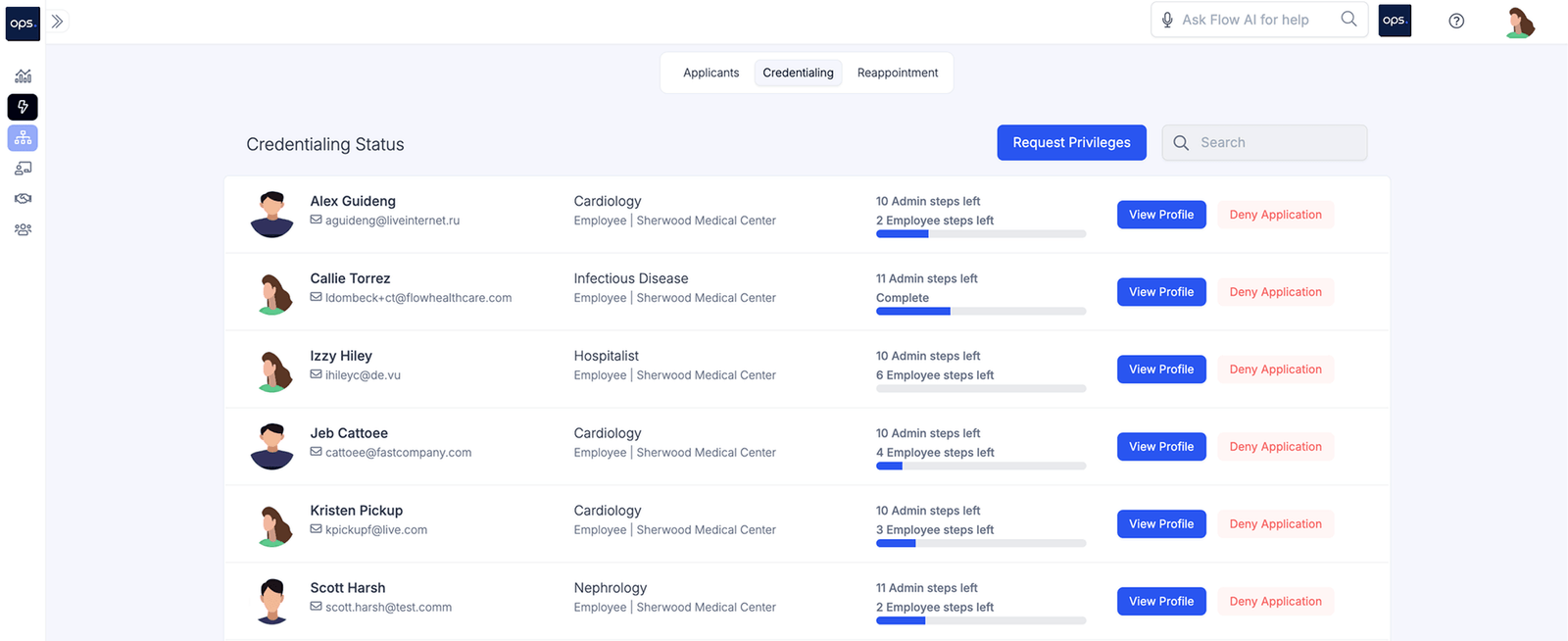
Credential verification: ops.work makes it easy to collect and verify provider licenses, education, work experience, references, and to run background checks, ensuring your providers have the right credentials to care for patients.
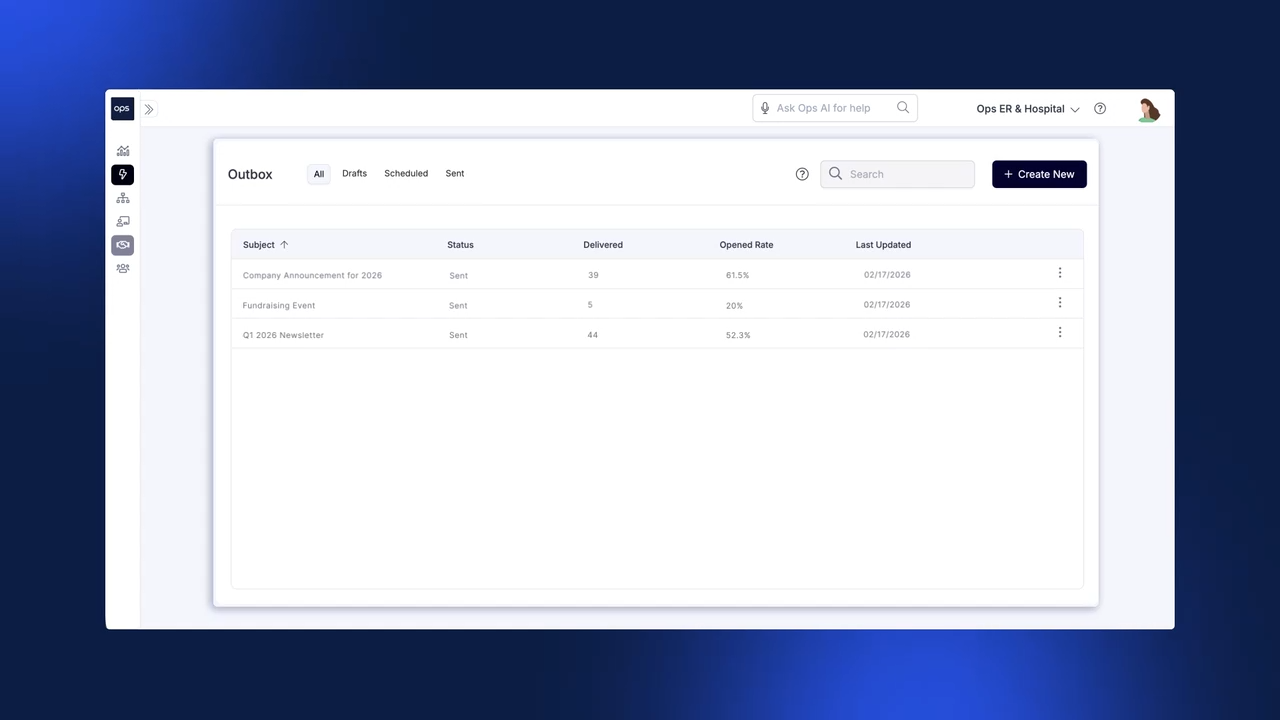
Email communication and notifications: ops.work has built-in communication tools that allow you to send mass emails to your employees. You can also send automatic reminders to employees about pending or upcoming tasks, such as reappointments.
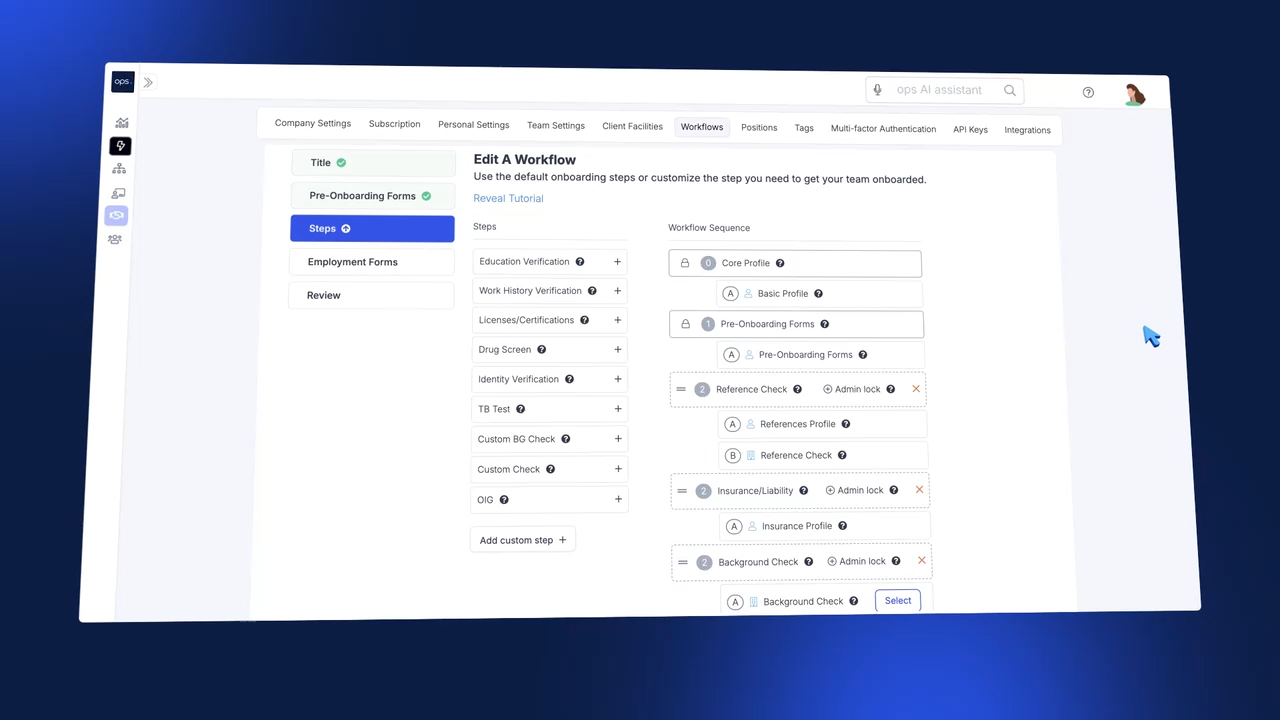
Process automation: processes such as verifying employee qualifications have many time-consuming tasks. ops.work allows you to create automated workflows to help you reduce the time it takes to complete onboarding tasks.
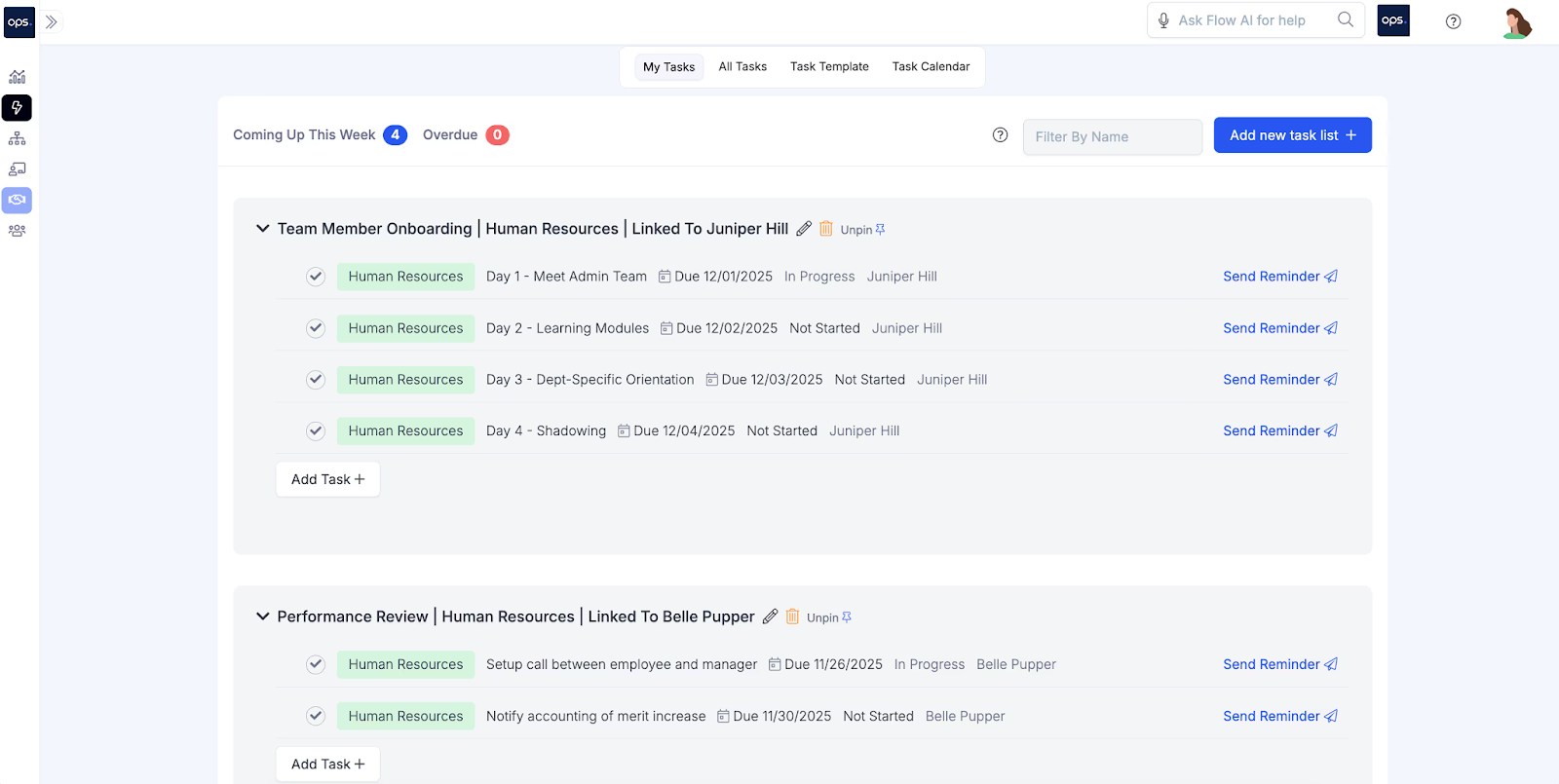
Task management: with ops.work, you can track various tasks and assign them to the right teams. In addition, you can track each task's progress and send reminders as needed, ensuring efficiency. In addition, you can create and assign onboarding checklists to various teams.
Employee training management: ops.work's LMS features let you create courses using built-in templates, assign courses to your employees based on their role, track course progress, and generate relevant reports to track the impact of your L&D efforts.
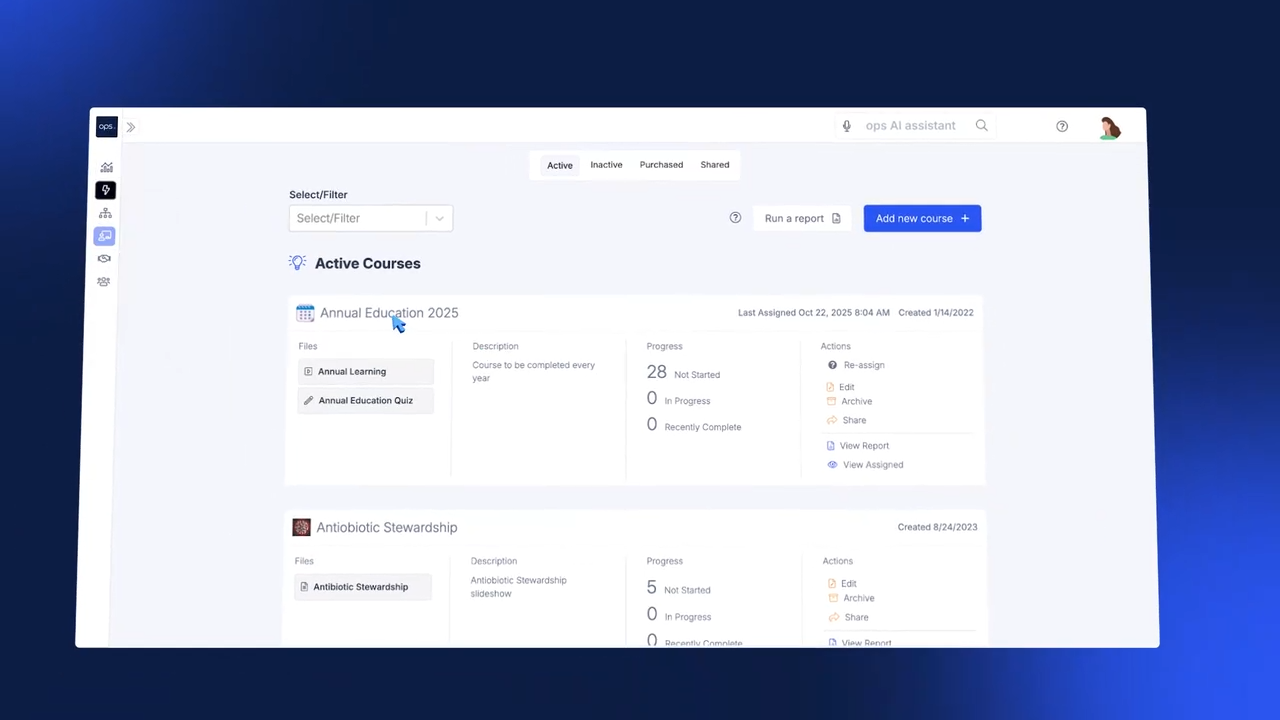
Performance management: with ops.work, you can use various performance review templates to track employee performance and productivity. You can use our templates to create various performance management tools, such as performance review checklists and surveys.
Ops.work adheres to high standards of privacy and security to ensure that your employee data and onboarding-related company processes remain confidential.
Conclusion
An effective onboarding process helps reduce burnout, improve employee satisfaction, and support teams in delivering quality care. Ops.work automates key onboarding tasks, enabling you to onboard faster and retain your healthcare staff. Get started with our free plan.
References
Black, Lisa L., et al. “The First Year of Practice: An Investigation of the Professional Learning and Development of Promising Novice Physical Therapists.” Physical Therapy, vol. 90, no. 12, 1 Dec. 2010, pp. 1758–1773, https://doi.org/10.2522/ptj.20100078.
Summit. “Why Onboarding Matters: Shaping PTs as First-Line Providers - Summit Professional Education.” Summit Professional Education - Sharing Knowledge, 3 Oct. 2025, summit-education.com/blog/general/why-onboarding-matters-shaping-pts-as-first-line-providers/?srsltid=AfmBOoodeS4xR4t3A8U2Suv6jjanuw9oTwTh1W44B1l91KL0rlOhvXFY
Walzack, Nicole. “Physical Therapy Onboarding: How to Steer Staff to Success - MEG Business Management.” MEG Business Management, 3 May 2022, www.megbusiness.com/physical-therapy-onboarding-how-to-steer-staff-to-success/.
Frequently Asked Questions
Common challenges for new employees include uncertainties about how to perform certain tasks and balancing the demands of their new job and their personal life.
Common mistakes include failing to create a plan and relying heavily on manual processes rather than digital onboarding to save time and money.
Automation turns the multi-step processes into a series of interrelated tasks with clear dependencies, responsibilities, and timelines, ensuring efficiency. Using computer systems also enhances compliance by maintaining a clear audit trail.