
Speech-language pathologists require a structured onboarding program to ensure a smooth transition into practice. Such a program gradually introduces SLPs to caseloads while providing ongoing and consistent support through mentorship and access to useful resources. The result is improved patient outcomes, faster time-to-productivity, improved retention rates, and improved confidence in new hires.
Key Takeaways
- An SLP onboarding process should include preboarding, credentialing, orientation, training, and ongoing support to be effective
- Increasing caseloads gradually improves confidence and competence
- Mentorship and training facilitate learning and make adjusting to the new role easier
- Checking in with new SLPs regularly improves engagement and retention
Speech-language pathologists are highly sought after, with the majority working in the education sector or running private practices. Hiring them into your team and convincing them to stay for several years with you, therefore, requires a well-structured plan. Here's a comprehensive guide to help you develop an impactful program.
Why is Speech Language Pathologist Onboarding Important?
SLP onboarding is important for your speech therapy private practice. It allows you to:
- Standardize your employee training programs for each speech therapist
- Help new hires build their confidence, therefore, their ability to provide high-quality care
- Support your new staff with the necessary tools they need to deliver SLP services
- Help new employees build strong relationships with coworkers, thereby creating room for collaboration
- Reduce the costs of rehiring new SLPs
- Improve employee productivity
- Control the caseload a new employee can handle, ensuring they aren't overwhelmed and burnt out.
How Do You Streamline Speech-Language Pathologist Onboarding?
Onboarding software is the best way to streamline your SLP onboarding process. It allows you to automate various steps, saving time, money, and improving compliance and organisational learning.
Preboarding
Preboarding enables you to engage employees after they accept a job offer, but before they start working. Planning for this stage leaves a strong impression on new staff, letting them know they are valuable members of your organization.
This phase often involves completing key administrative paperwork, such as:
- Signing the offer acceptance letter, employment contract, and other agreements
- Signing policy acknowledgements (this can also happen after the first day, once they receive training on you internal and regulator policies)
- Sending a welcome packet with everything they need to know before they report for work
- Providing access to internal systems, including your SLP practice management software
- A schedule or checklist of events that will happen on the first day or during the orientation period
Ops.work makes it easy to invite new employees to your onboarding system.
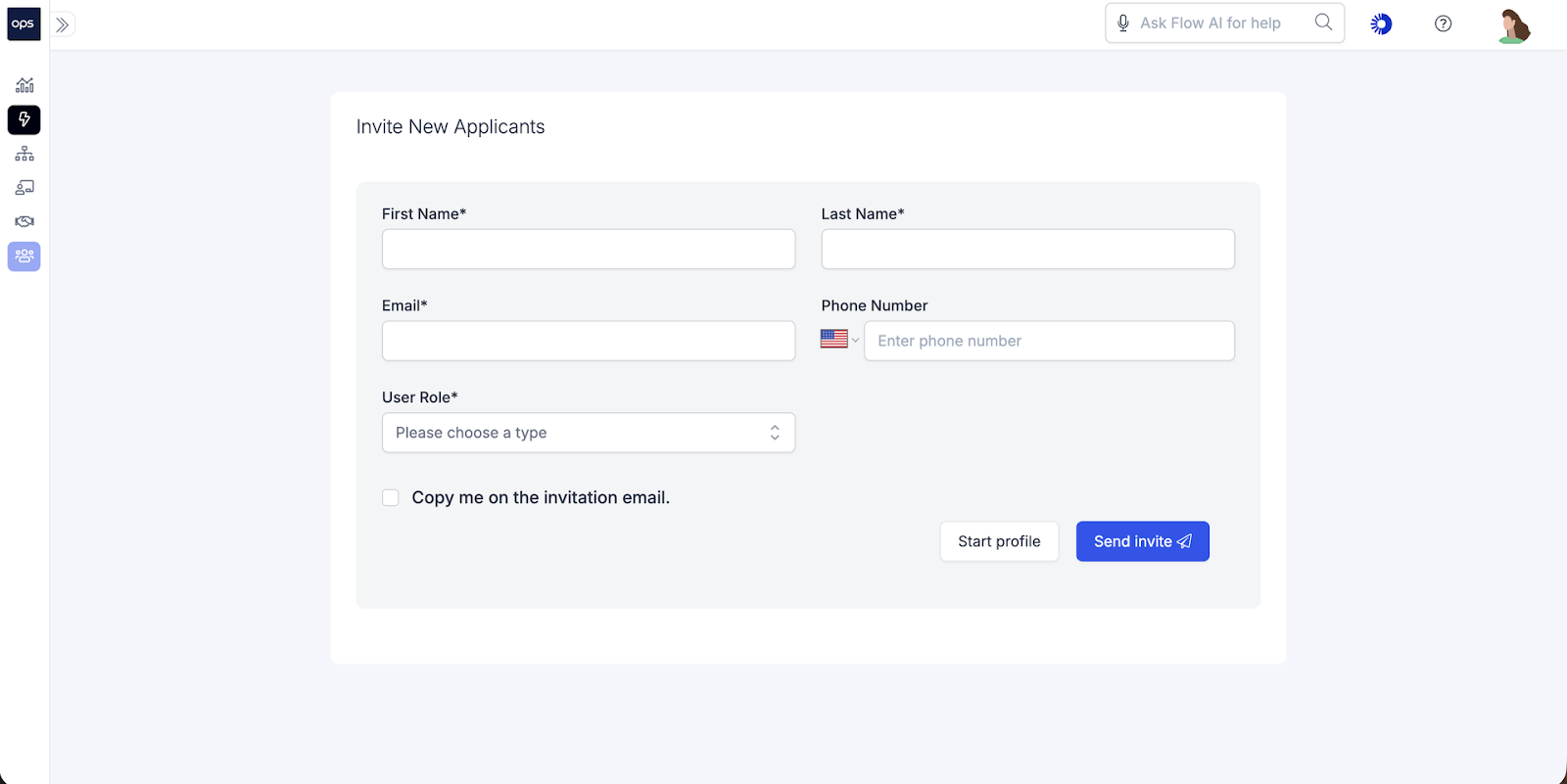
Once they are on the platform, you can create a centralized database of comprehensive employee profiles. With this database, you can manage various tasks from credentialing to training.
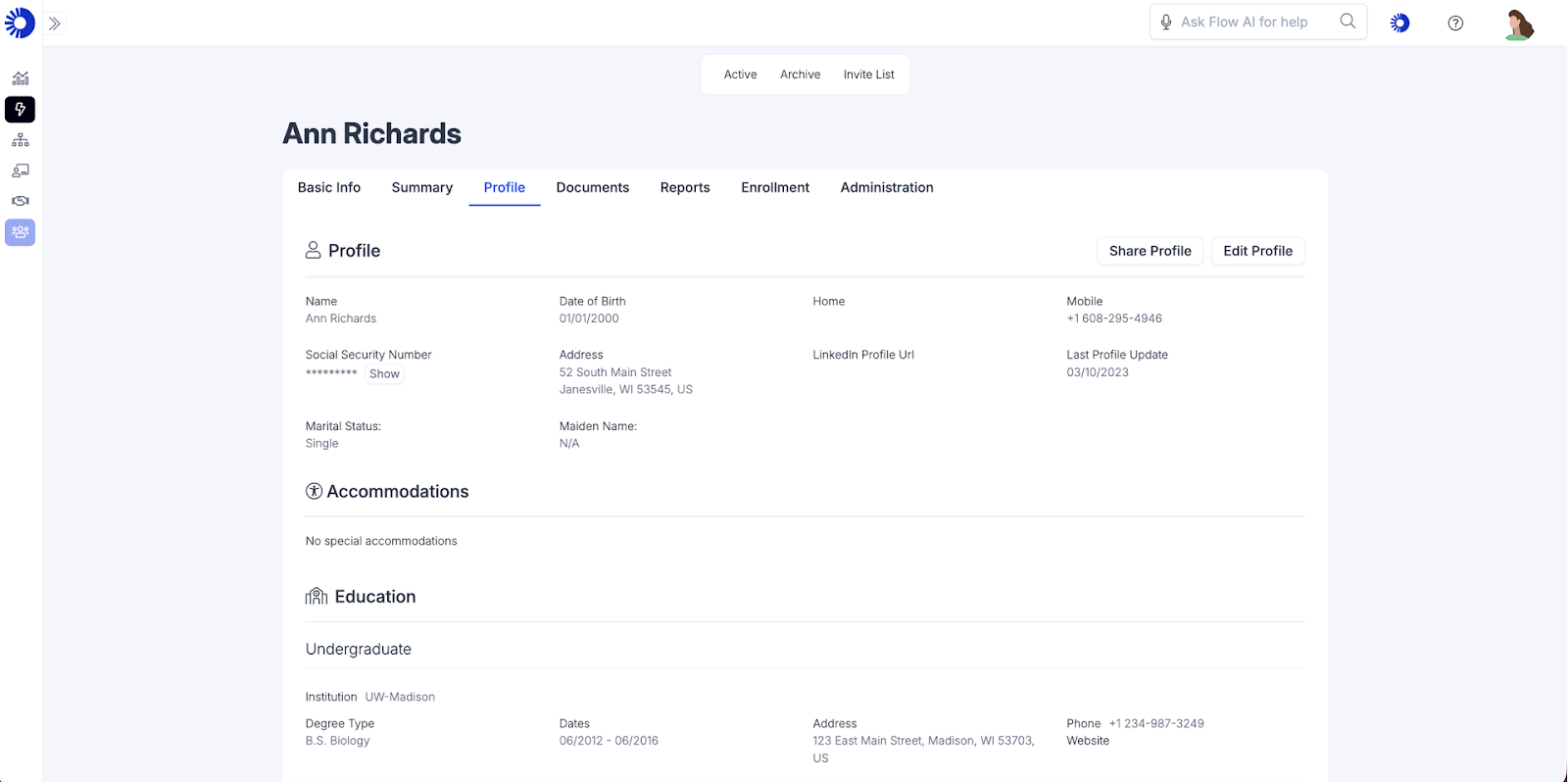
Credentialing
Credentialing is a key step anytime you onboard a healthcare provider. It allows you to verify that they meet the education, certification, professional, and licensing requirements to work with patients. Credentialing providers also involve enrolling them with payers to allow insurance billing for each speech therapy session.
Credentialing involves multiple steps that you can automate with ops.work to save time and money. Here's a breakdown of the step-by-step credentialing process:
Collecting the documents needed to verify that the employee is who they say they are.
- The candidates' personal information, including their name, address, social security number, and contact information
- Educational qualifications
- License to practice
- Malpractice insurance
- Documentation of professional experience, including their CV, proof of clinical experience (for instance, a certificate of clinical competence), and referrals from previous employers
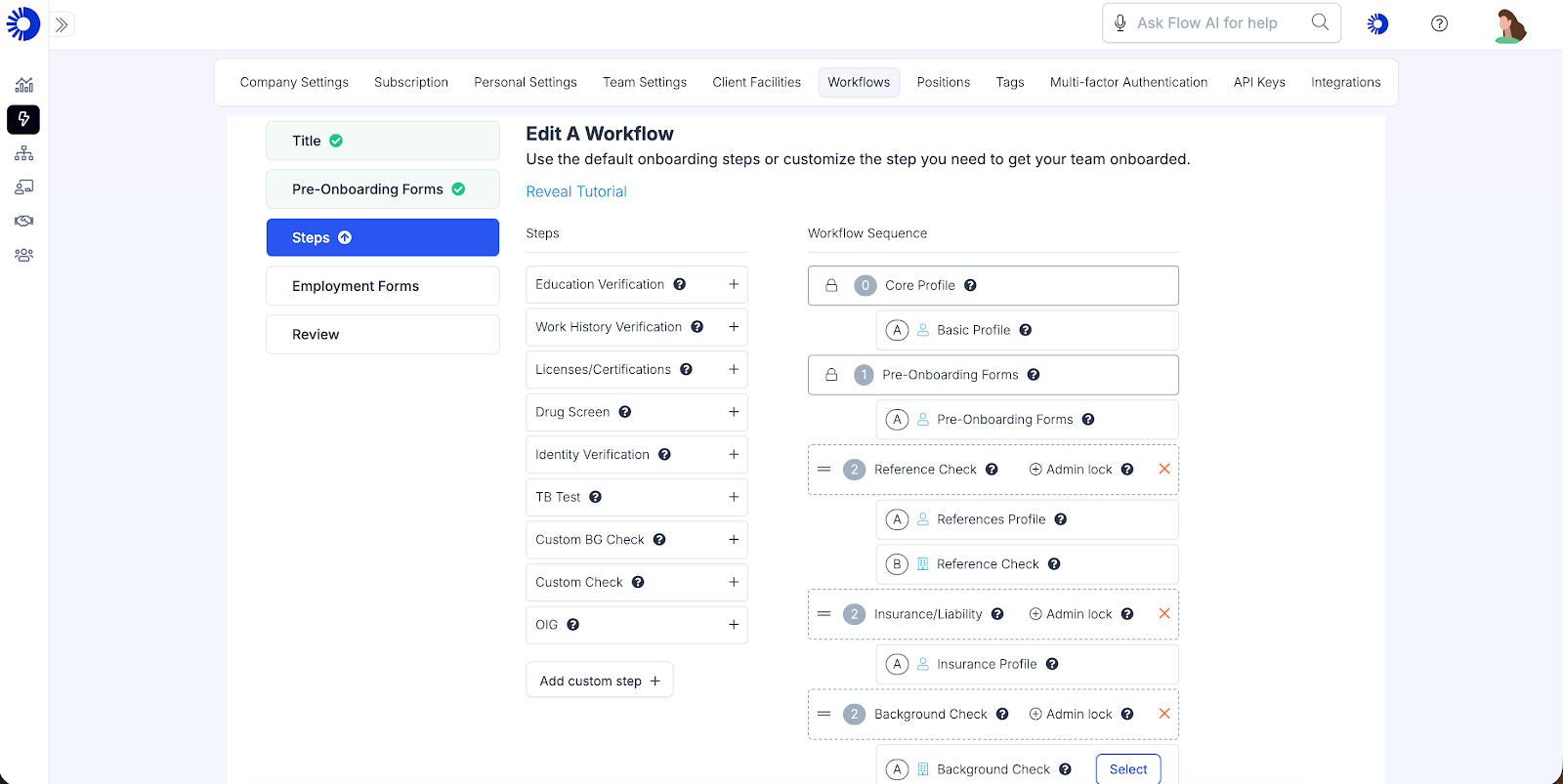
Ops.work enables you to create checklists of all required documents for uniform credentialing workflows:
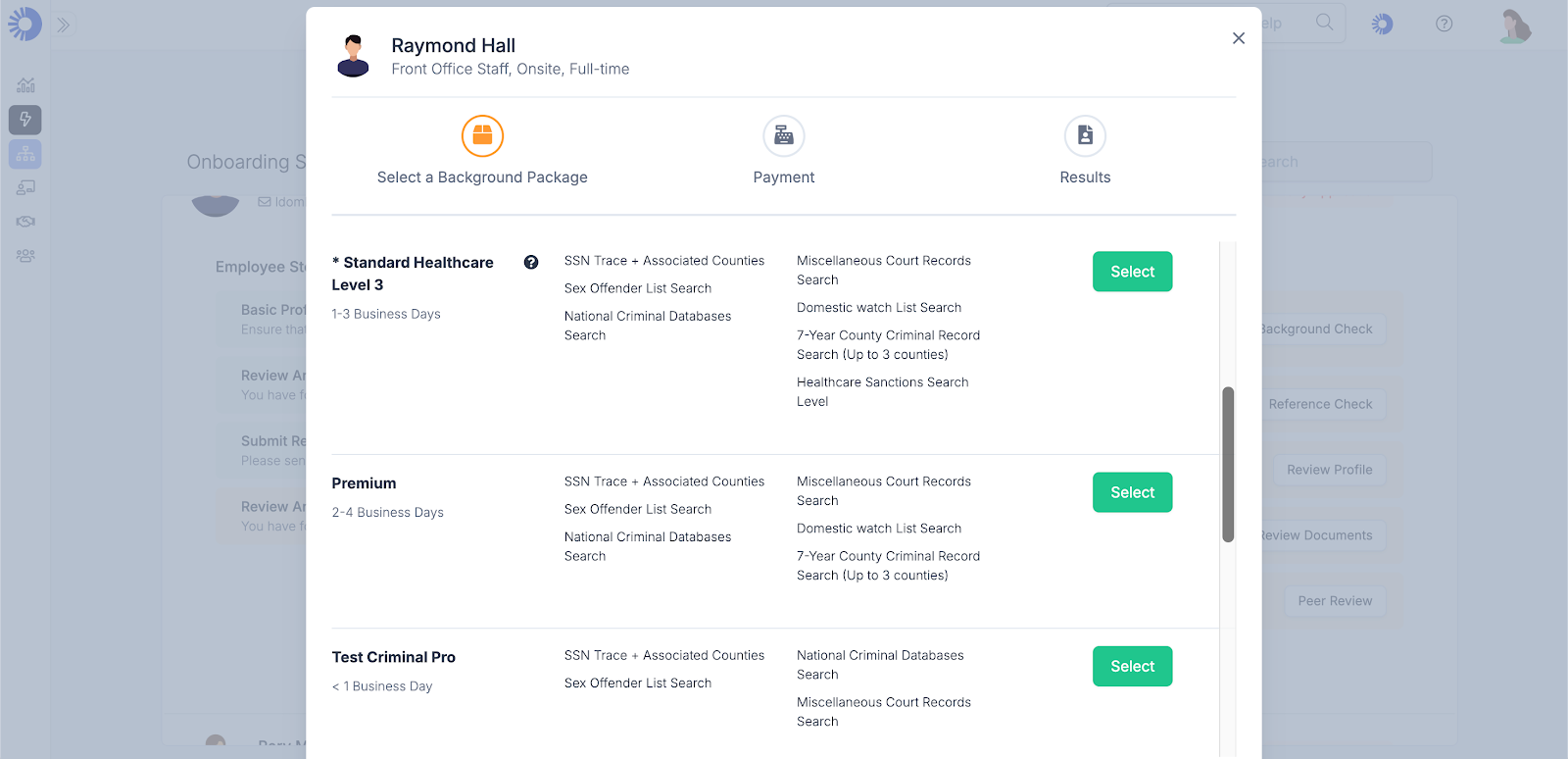
The applicant's dashboard allows you to track what steps employees have taken, including submitting documents and signing key employment forms. At the same time, you can initiate credentialing tasks such as background and reference checks.
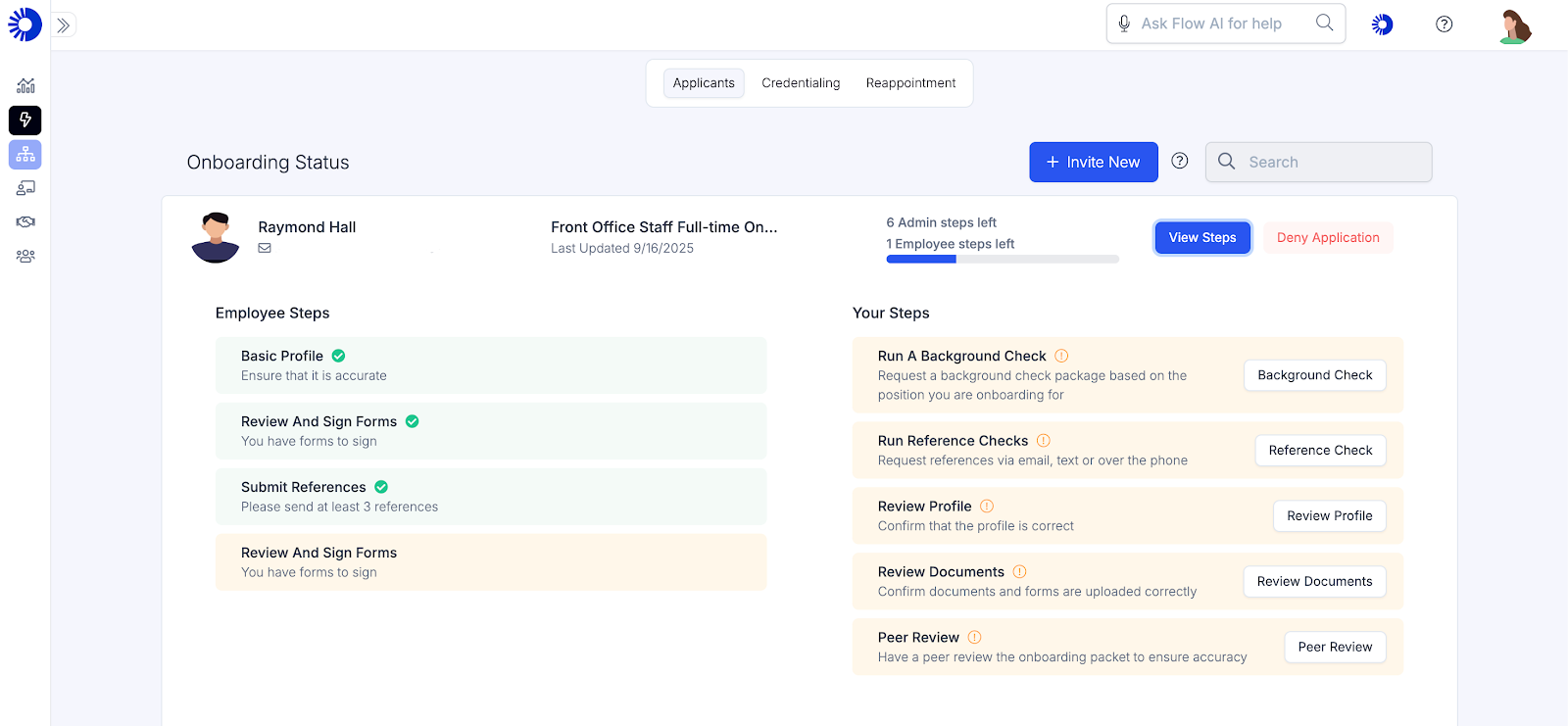
Once they have submitted the documents, you can initiate the credentialing process, which includes primary source verification, exclusions monitoring,, and background checks.
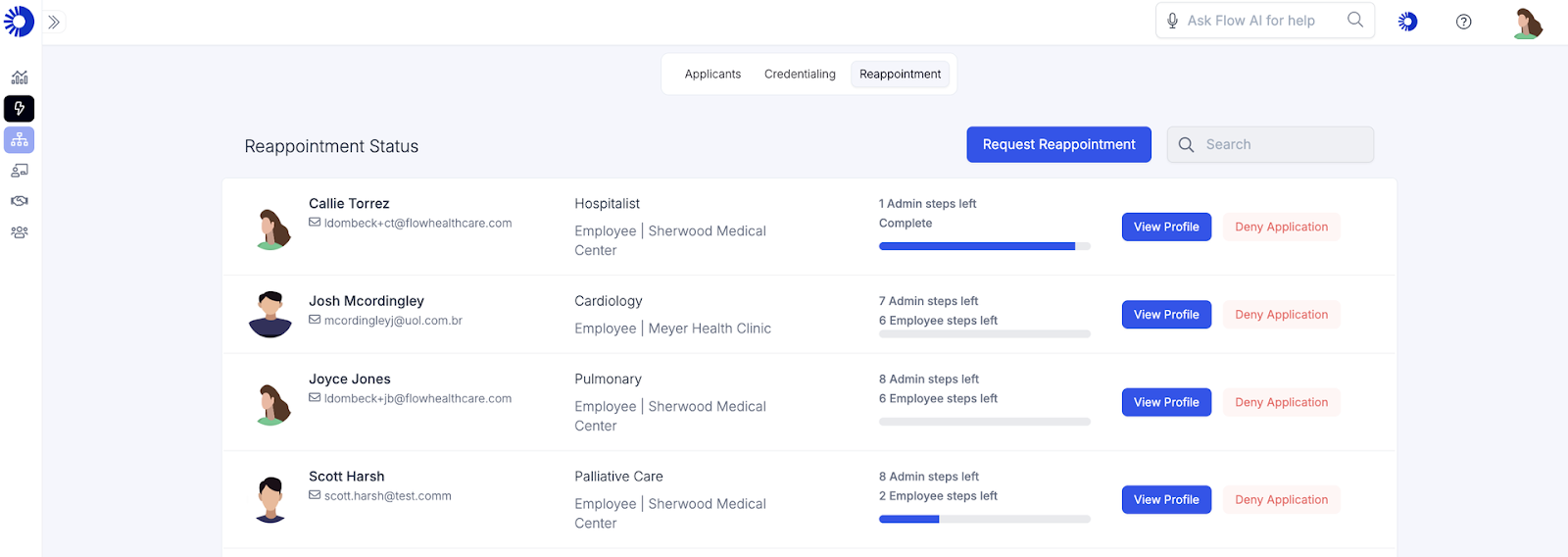
Since credentialing is an ongoing process, ops.work tracks the credentials of employees in your dashboard for upcoming reappointments. Tracking reappointments ensures your private practice or facility remains compliant with federal and state regulations.
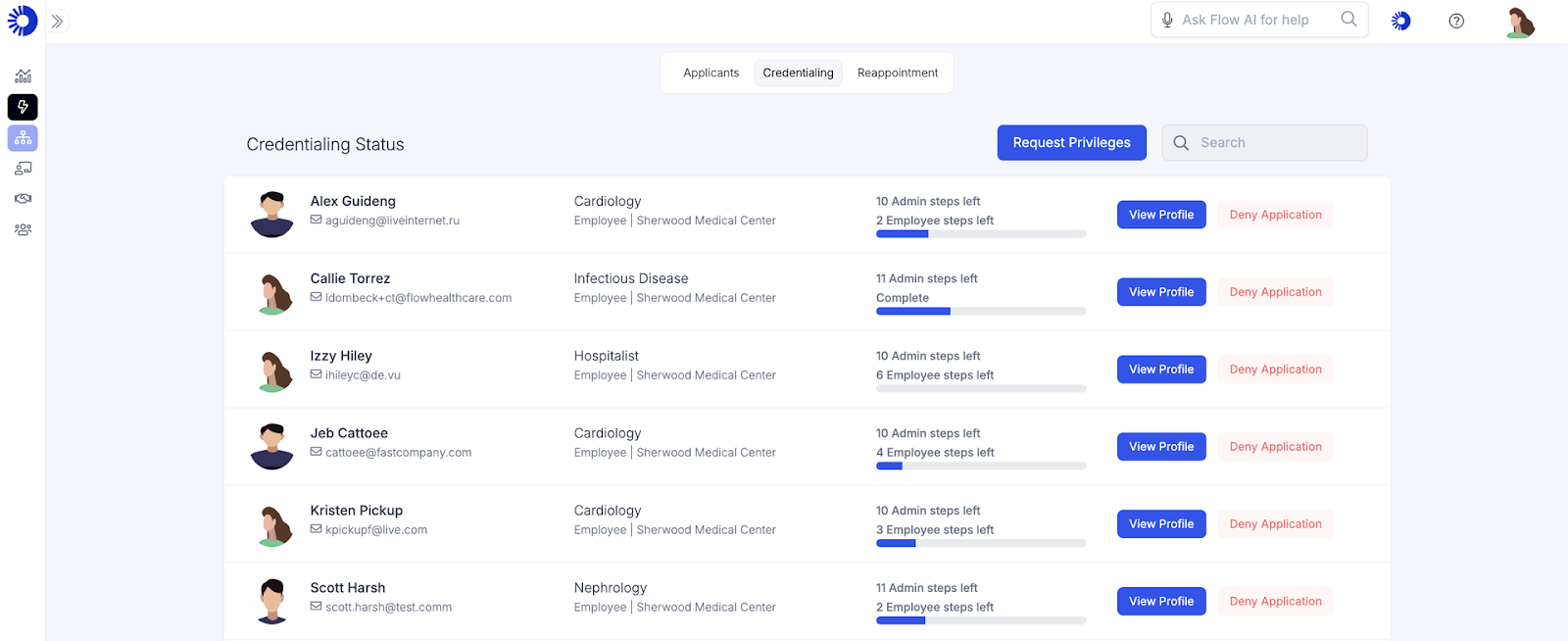
Whether you're credentialing for the first time or tracking reappointments, ops.work allows you to track the credentialing status at a glance. You can see which tasks are pending, assign them, or send reminders to the responsible parties.
Orientation
The orientation phase of the onboarding process can last between one day and a week. It focuses on introducing new staff to your facility and completing any necessary paperwork.
When done well, orientation introduces new employees to your organization's mission, vision, core values, and culture. Some of the activities during this phase include:
- Introducing the new employee to their co-workers
- Providing the new employee with a schedule of the activities to be completed within the first day or first week
- Guided office tours to familiarize them with key facilities in your organisation
- A company presentation to formally introduce new employees to the structure and culture of the organization
- A meeting with the hiring manager for a discussion on their roles, duties, goals for the next 30,60, and 90 days, including feedback sessions
- Assigning a mentor and supervisor
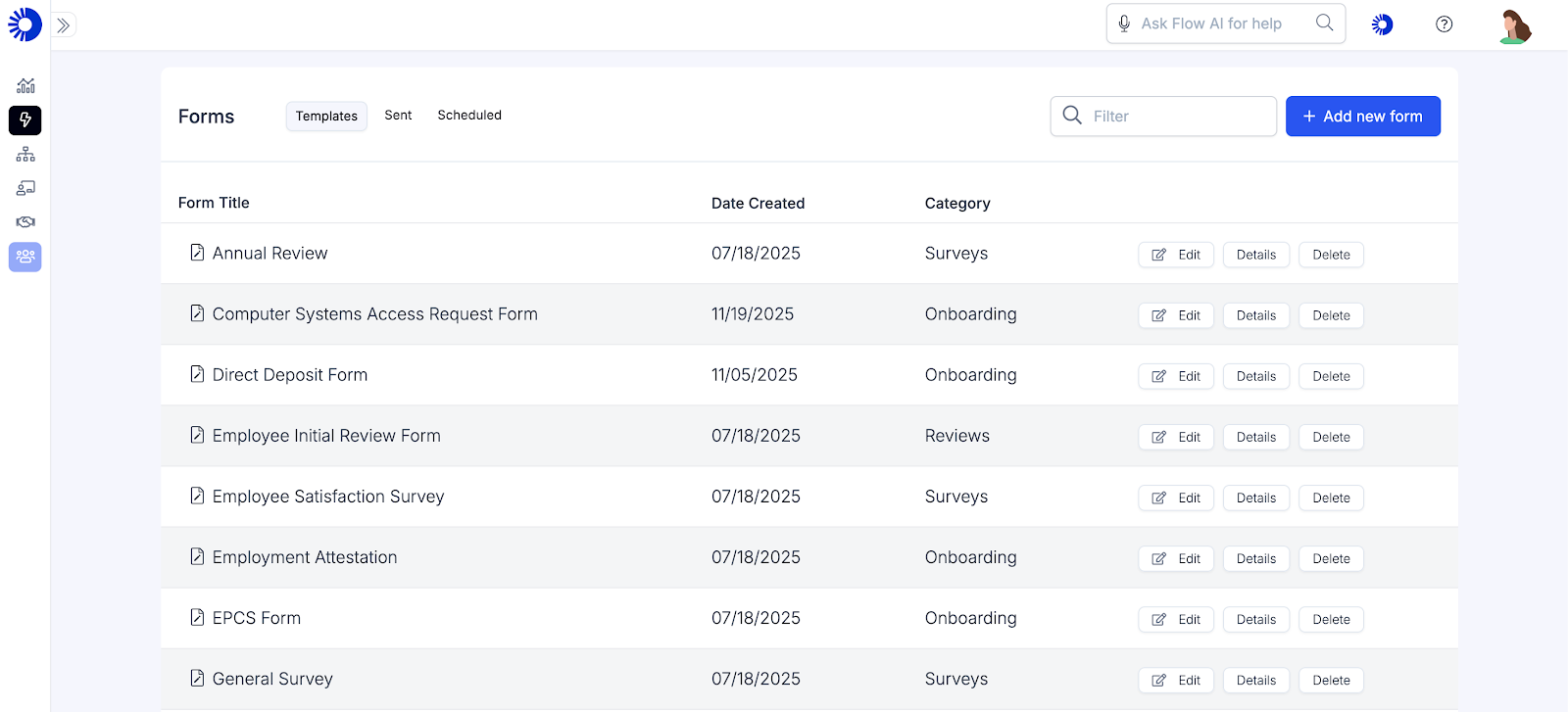
Ops.work has an in-built template gallery that allows you to create a comprehensive orientation checklist. You can also access additional templates for free thanks to our integration with Jotform. Get started creating checklists with our free plan.
Training and Continuous Development
All healthcare professionals must receive comprehensive training during onboarding and periodically thereafter to ensure they are well-equipped to perform their duties effectively. This training introduces them to compliance regulations such as:
- HIPAA, which dictates how to handle patient data
- HITECHI, which provides further guidelines on handling health information using Electronic Health Records (EHR) systems
- OSHA that informs them of their rights and responsibilities in relation to workplace safety
- The False Claims Act, which regulates medical billing
- Stark Law, which regulates referrals for patients on Medicaid and Medicare
In addition to compliance training, new staff must receive role-based training. This ensures that they are capable and have the confidence to perform the duties for which they were hired.
Role-based training prepares your SLP to succeed in their role. Providing role-based training offers several benefits:
- It speeds up the transition to practice rates
- It reduces the risks of compliance errors as each professional learn the regulations within their role
- It improves employee engagement and productivity
Ops.work simplifies the course creation process through automation. It features a course builder that lets you create courses in various formats:
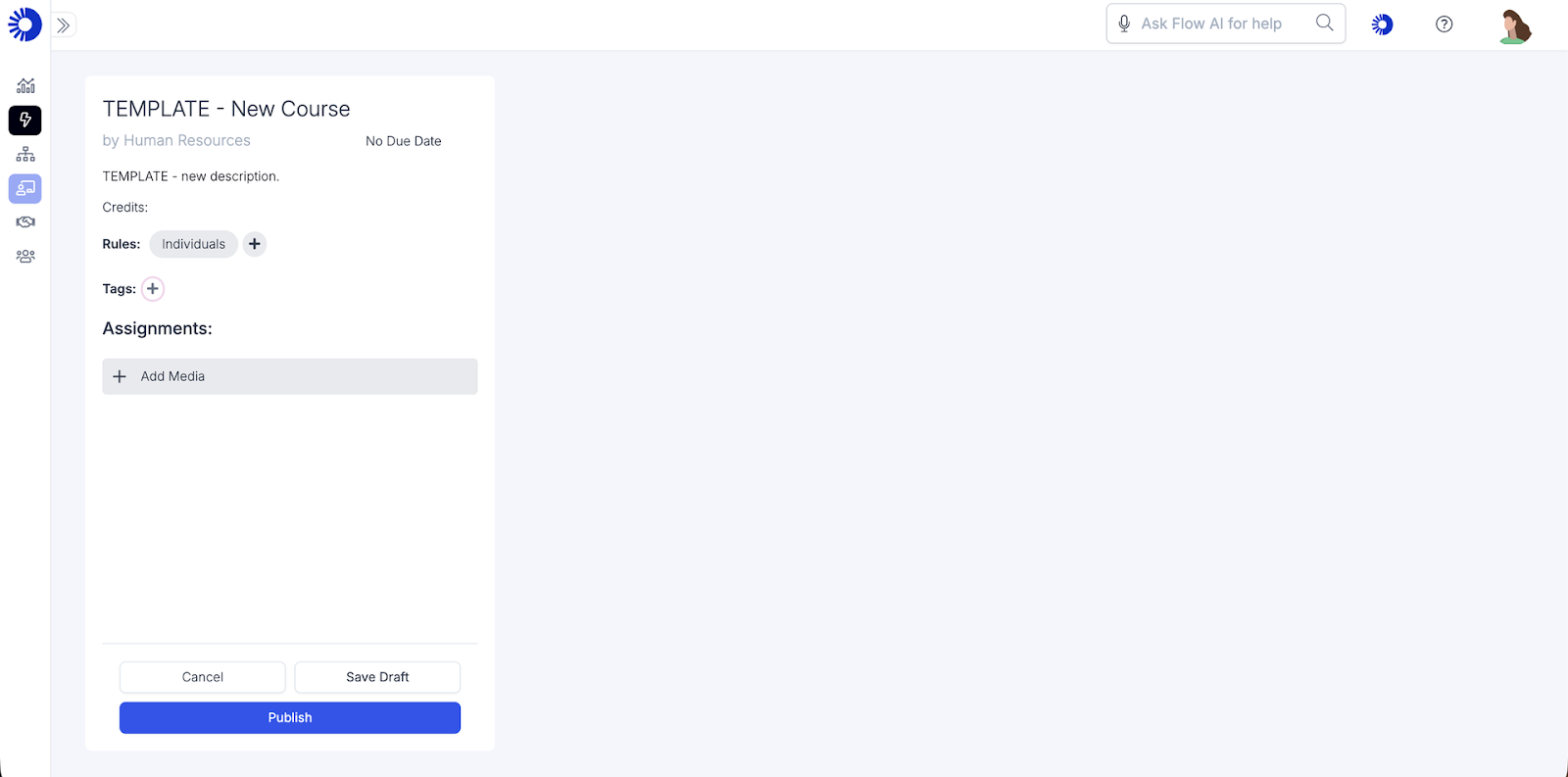
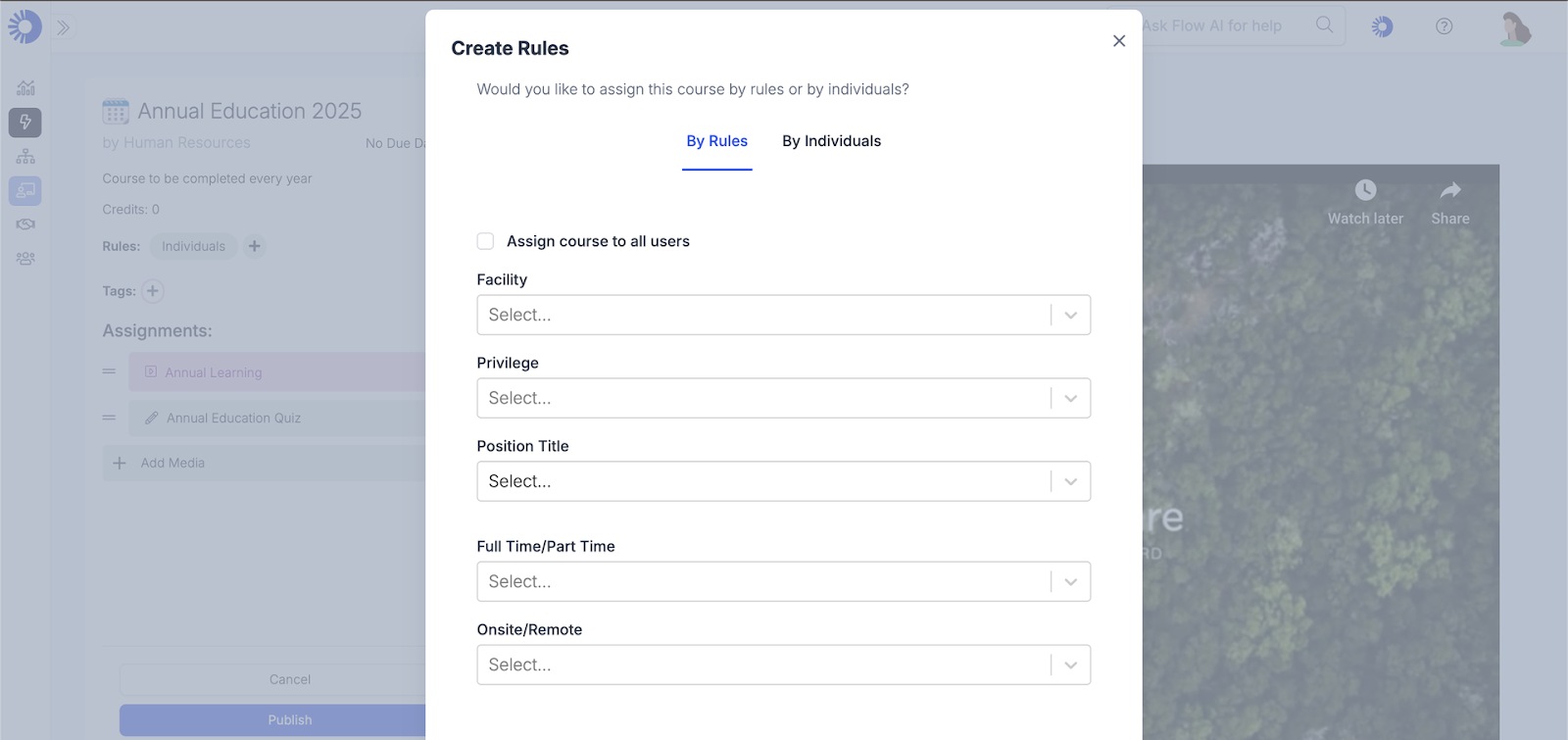
Once you've created the course, you can create rules to determine who should take the course.
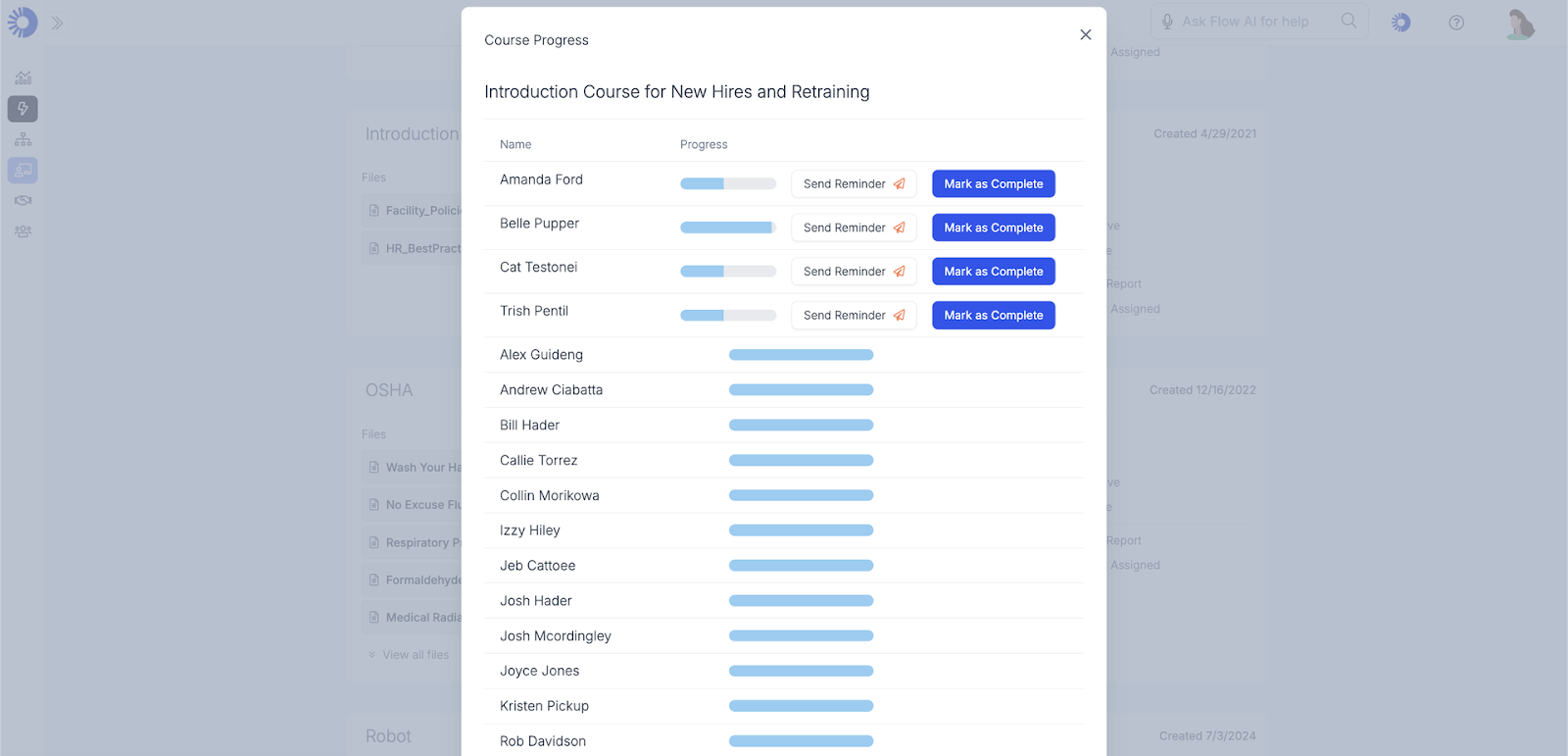
The platform also allows you to track course completion progress.
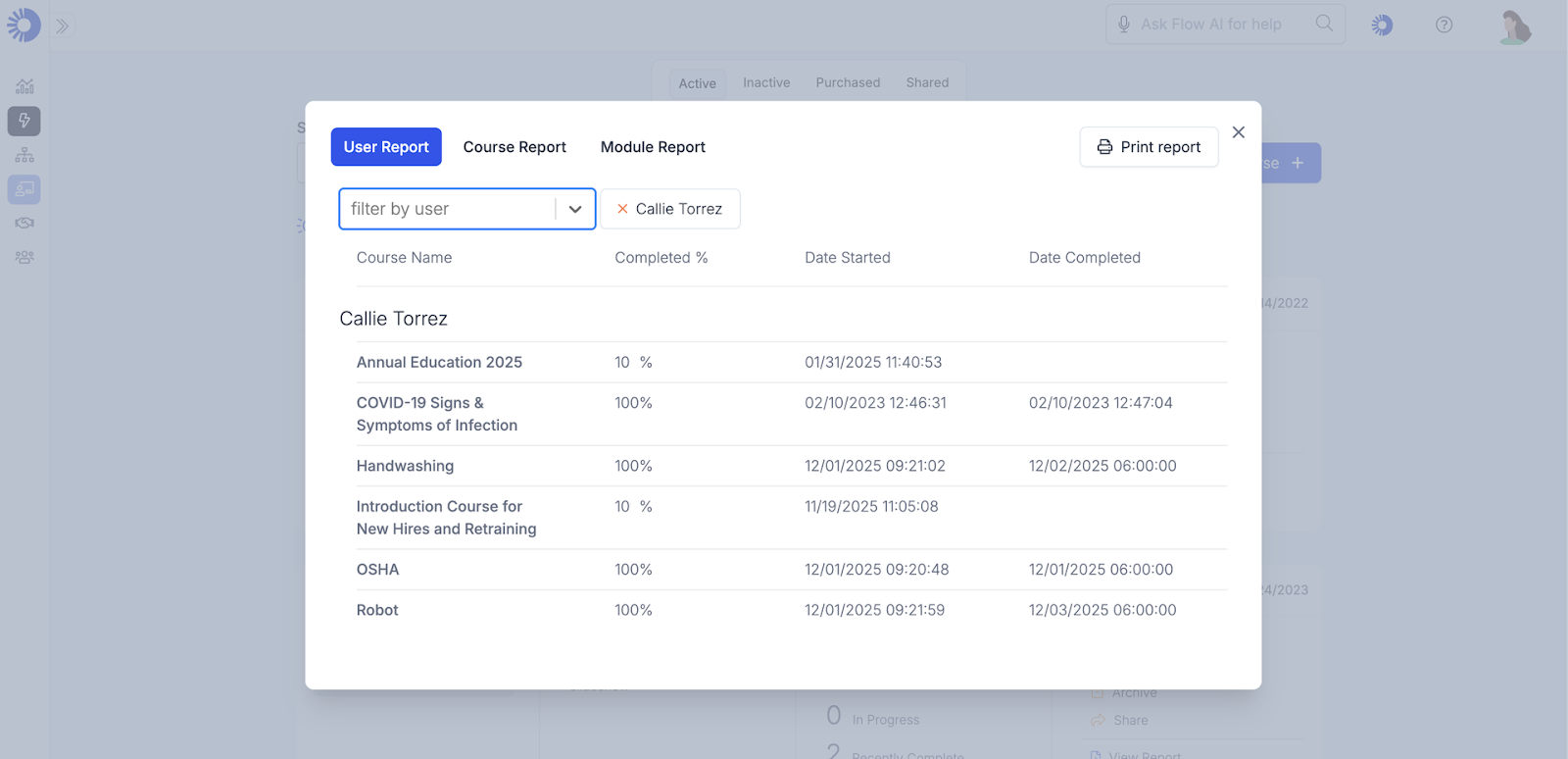
Ops.work reporting features allow you to generate various LMS reports to track compliance and ROI.
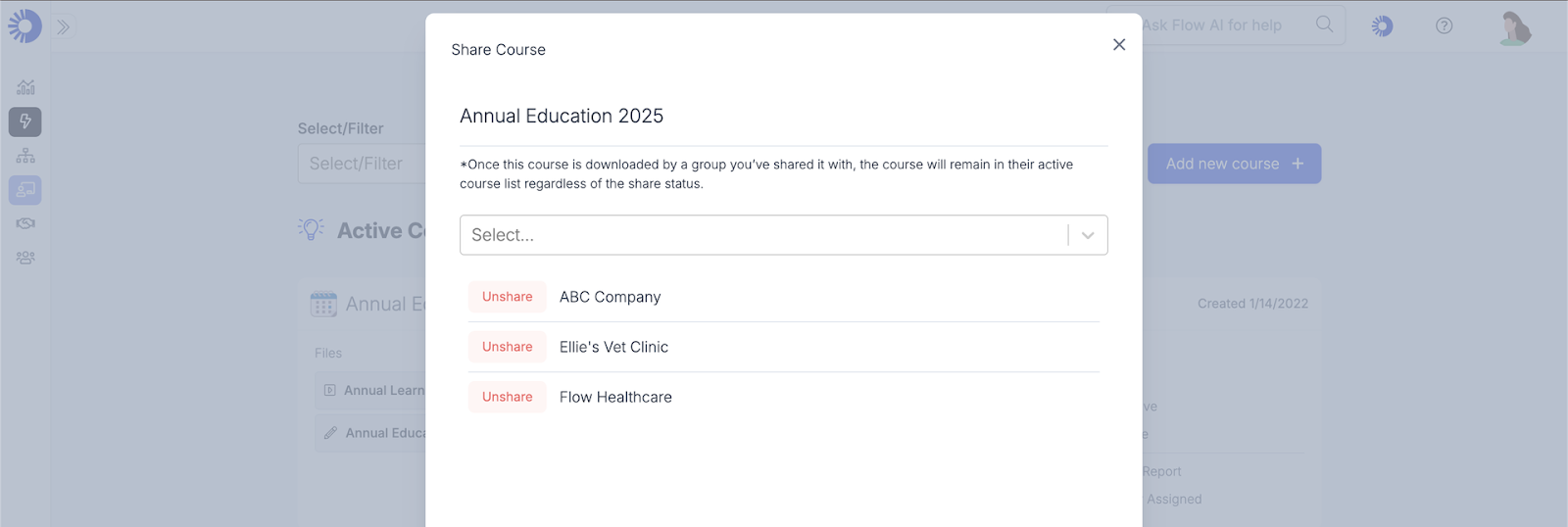
If you run more than one facility, you can share courses to ensure consistency across all locations.
Conclusion
SLPs provide essential services across diverse demographics, from early intervention in pediatric therapy to assisting patients in rehabilitation with various speech-related conditions. Proper onboarding ensures they are engaged and equipped with the tools and skills to provide impactful services to patients. Software such as ops.work automates key workflows, saving you time and resources, while delivering compliant and impactful onboarding. Get started with our free plan to save time.
References
Bauer, Talya, and Berrin Erdogan. “(PDF) Organizational Socialization: The Effective Onboarding of New Employees.” ResearchGate, Jan. 2011, www.researchgate.net/publication/285000696_Organizational_socialization_The_effective_onboarding_of_new_employees.
“Recruitment and Retention of SLPs in Health Care.” Asha.org, 2026, www.asha.org/careers/recruitment/recruitment-and-retention-of-slps-in-health-care/?srsltid=AfmBOoqc9aGkvSwy1pW6i7MWd1EIapOAIyWBoLIxyve7iZ5IB2saZP9_
Farquharson, Kelly, et al. “How to Recruit, Support, and Retain Speech-Language Pathologists in Public Schools.” Journal of School Leadership, vol. 32, no. 3, 22 Oct. 2020, p. 105268462096606, https://doi.org/10.1177/1052684620966062.
Frequently Asked Questions
A good program for onboarding SLPs should facilitate compliance, build connections between employees, foster cultural integration, build confidence in the employee's skills, and clarify their role in providing speech-language pathology services.
Speech pathology professionals require:
- A master's degree in speech language pathology
- State licensure, usually after obtaining CCC-SLP certification from the American Speech-Language-Hearing Association (ASHA)
Professionals who offer speech and language therapy services must adhere to the ASHA Code of Conduct, have professional liability insurance, and have valid licenses from the local licensing board.
SLPs have different roles and responsibilities depending on their work environment. School-based therapists may offer services that differ from those provided at a healthcare facility. When hiring, start by listing the general roles and responsibilities, then identify the specialized services that a therapist may offer depending on whether you are hiring for a school, an SLP private practice, or a hospital.