Effective PCA onboarding ensures high-quality patient care, retention, and compliance with regulatory requirements. The process begins with structured onboarding, followed by a comprehensive orientation to familiarize new PCAs with the work environment. The next step involves training PCA to ensure they have the soft and hard skills to deal with clients inside their homes.
Key Takeaways
- A structured PCA onboarding process includes four key stages: preboarding, orientation, training, and feedback
- Role clarity helps PCAs understand responsibilities, improve performance, enhance client safety, and ensure consistent, high-quality care delivery
- Hands-on training combined with safety protocols and communication skills development equips PCAs with the practical knowledge needed for real-world caregiving situations
- Automation tools streamline caregiver onboarding processes and improve efficiency, consistency, and scalability
PCAs are important in providing support to patients in need of long-term care. Although they are primarily focused on supporting daily activities, they still need to be onboarded and trained effectively.
What is a Personal Care Aide (PCA)
A personal care aide or assistant (PCA) provides hands-on person-centered care to seniors and patients living with chronic conditions and disabilities. They mostly work within client homes.
Unlike home health aides, they mostly deal with activities of daily living (ADLs), such as:
- Managing household tasks such as cleaning, grocery shopping, and meal preparation
- Hygiene, including bathing, dressing,
- Helping patients manage their medications, book medical appointments, and organize transportation to healthcare facilities
- Ensuring the overall safety of their clients
What Goes into Compliant PCA Onboarding and Training?
Personal care attendants work closely with patients in their homes. Therefore, you must develop an onboarding program that ensures your clients remain safe while receiving quality care services.
Develop a preboarding program where you collect the required documents as soon as an applicant accepts your job offer. The preboarding process sets the stage for onboarding, allowing you to integrate them into your agency.
Complete thorough background checks and employment verification to ensure that your home caregivers qualify to handle care activities for patients.
Begin the orientation program on the new caregiver's first day. During this stage, provide a schedule with the time and venue for each orientation session. Here's what to do during this stage:
- Give a facility tour to familiarize the caregiver with the facility and existing staff
- Introduce your caregiver to their supervisors
- Assign a mentor, usually a CNA or more experienced caregiver
- Complete the necessary paperwork
- Provide a welcome packet that includes branded items and a staff handbook
- Provide training on company policies, including client confidentiality
- Familiarization with electronic health records,
The next step after orientation is to ease the new hire into their role, allowing them to develop and apply relevant caregiving skills and knowledge. You can do this by allowing them to shadow other caregivers or providing targeted skills training.
Training requirements vary by state and sometimes within states. However, Medicaid-funded agencies must meet certain training thresholds for their assistants depending on the provider and location.
Some of the skills personal home healthcare assistants need include:
- Communication
- Compassion, sensitivity, and empathy
- organization skills
- Physical stamina
- Emotional resilience
You can create in-house courses or find online training materials to provide additional training. Your HHA can also support your caregiver's continuous development by providing additional training in home care aide skills, such as first aid, CPR, and infection control.
At the end of the program, measure the onboarding experience to identify what's working and what you can change to onboard employees better.
How Do You Automate the Personal Care Assistant (PCA) Onboarding Process?
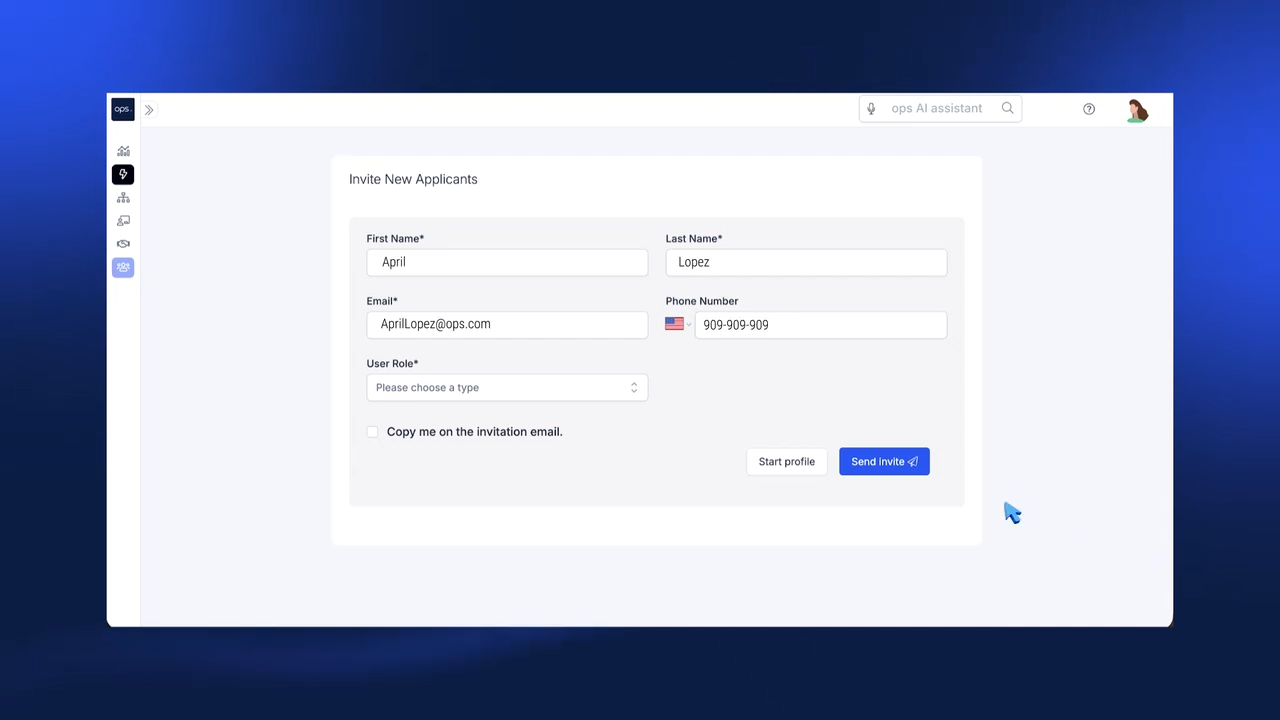
Automation streamlines how your human resources department onboards new staff to maintain compliance and improve retention. Onboarding software such as ops.work allows you to:
Invite new staff and create comprehensive employee profiles
Create workflows to reduce errors and inefficiencies in manual processes
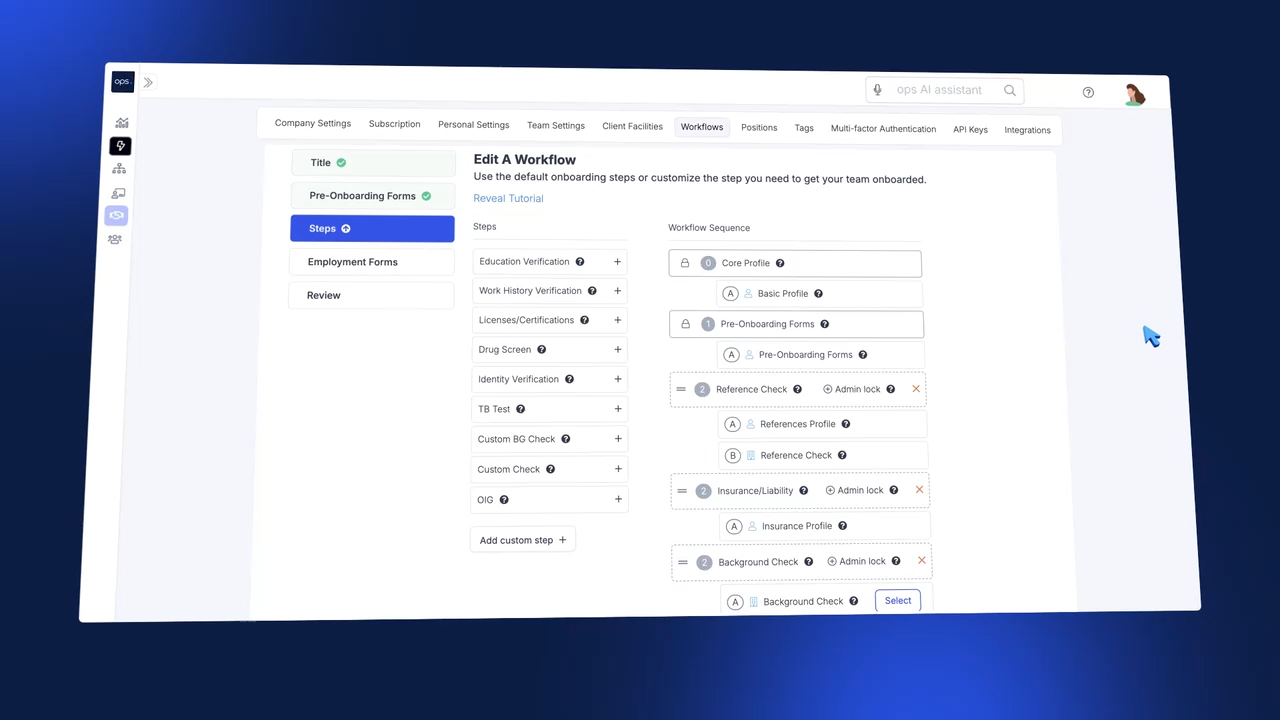
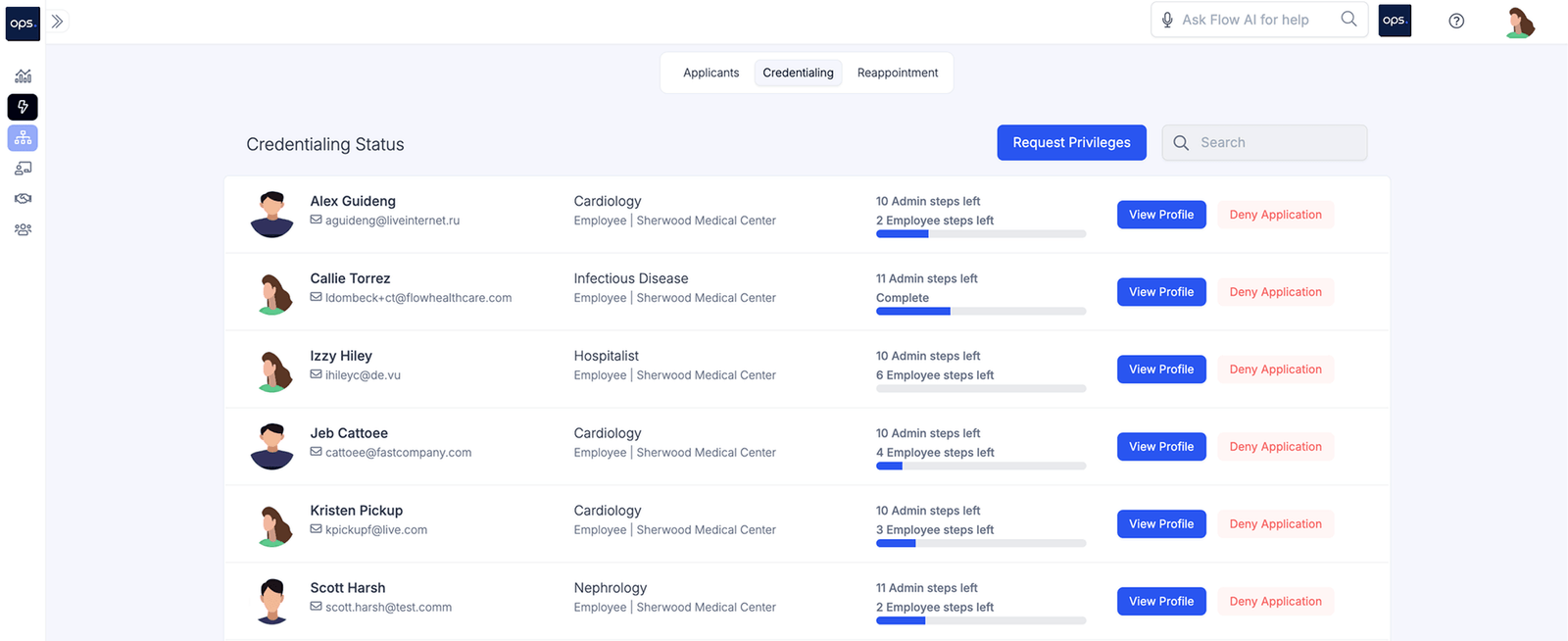
Request new staff to upload their certificates and relevant credentials for verification and track submission progress
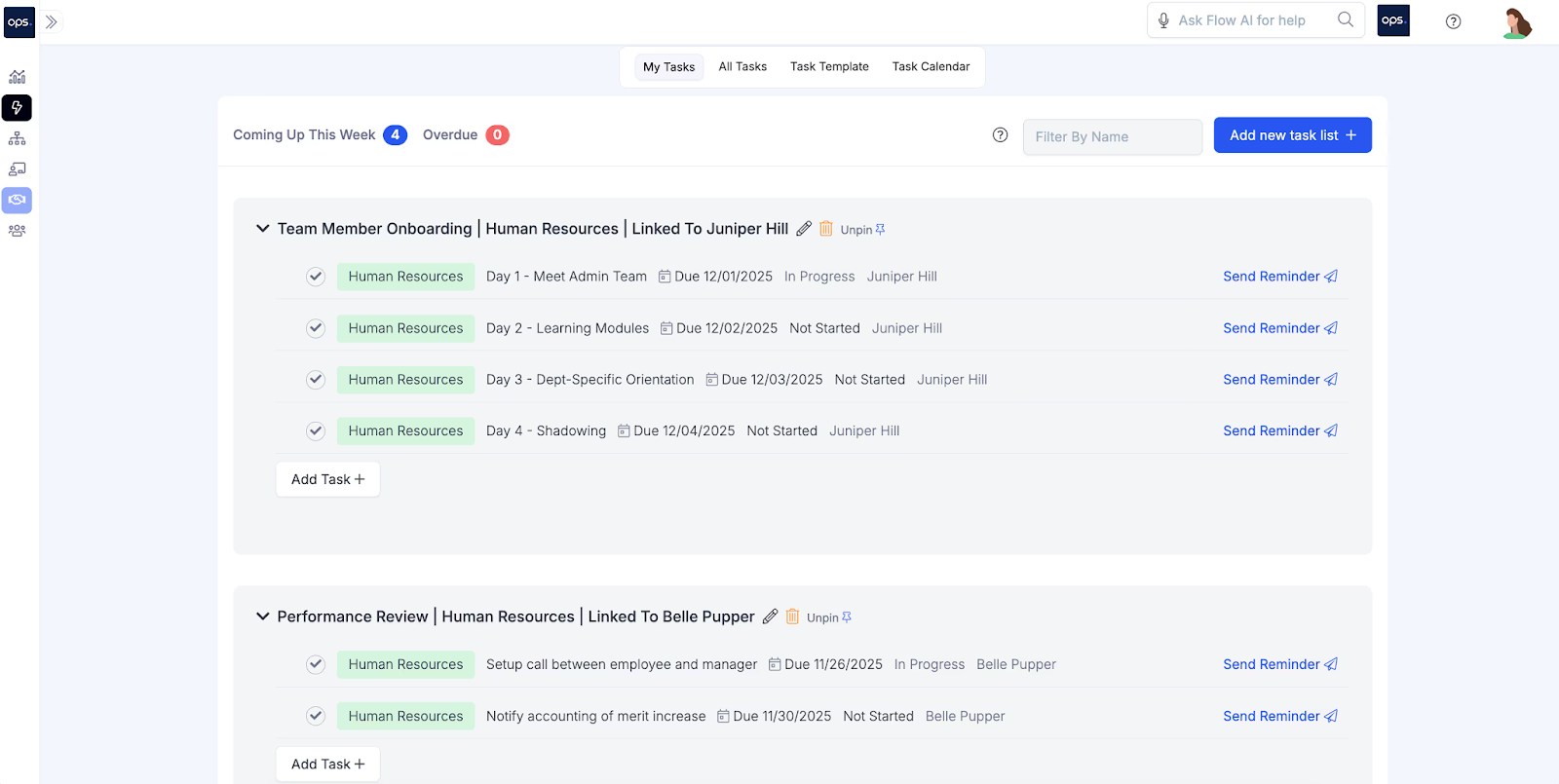
Create and track the progress of tasks on your onboarding checklist
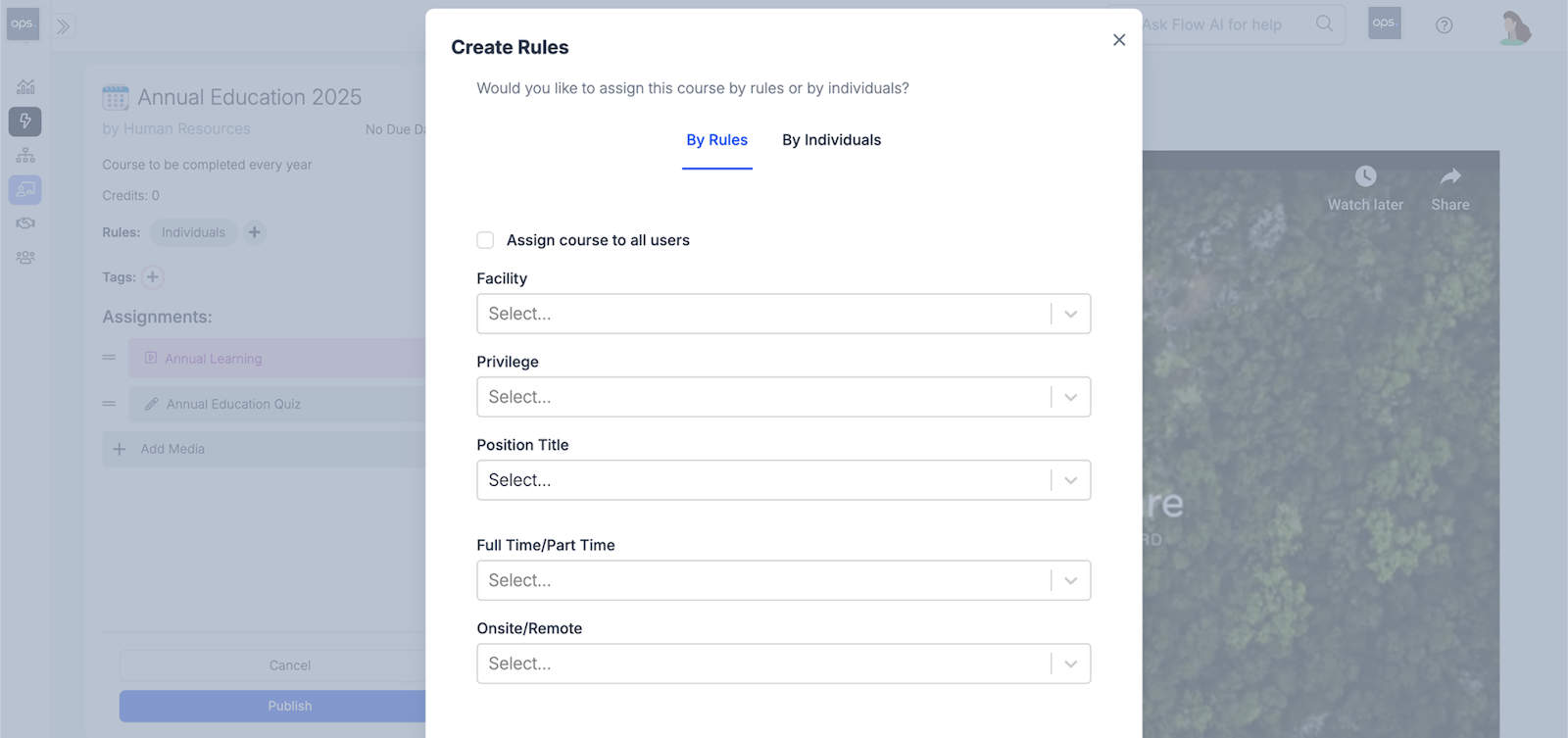
Create and assign training materials to the right people based on their role and location
Maintain compliance through consistent documentation of training programs and reports
Conclusion
Ops.work helps agencies provide personalized on-boarding experiences, from training to performance assessment, to ensure you retain the right people in your agency. Get started with our free plan to build an engaged workforce.
References
“Personal Care Attendant (PCA) New Hire Orientation.” Mass.gov, 2026, www.mass.gov/info-details/personal-care-attendant-pca-new-hire-orientation.
“Improving Patient Care through Efficient Caregiver Onboarding and Training - to the Rescue.” To the Rescue, 25 Oct. 2024, totherescue.net/blog/caregiver-onboarding-and-training/.
https://www.ahhcnc.org/images/Foundation/HHOnboardingModel_Oct2020.pdf