
Structured onboarding programs not only help new hires adjust to their roles but also foster a sense of belonging and engagement. Effective onboarding involves clear communication of company values and responsibilities, and creating a welcoming environment. Coupled with ongoing training, these processes support employees' development and adaptation to industry changes.
Key Takeaways
- Structured onboarding programs increase engagement, job performance, and retention rates, while poorly designed experiences lead to confusion
- Key elements of successful onboarding include transparency, a welcoming environment, and feedback mechanisms for continuous improvement
- A comprehensive onboarding plan needs structured timelines, mentorship programs, and interactive training to maintain employee motivation
- Leveraging technology in onboarding and training processes can improve efficiency and engagement
Understanding the Importance of Onboarding and Training
Employee onboarding and training are essential components of any successful organization. These processes not only help new hires acclimate to their roles but also contribute to long-term employee satisfaction and retention. When executed effectively, onboarding sets the tone for an employee's entire journey within the company, impacting overall productivity and cultural alignment.
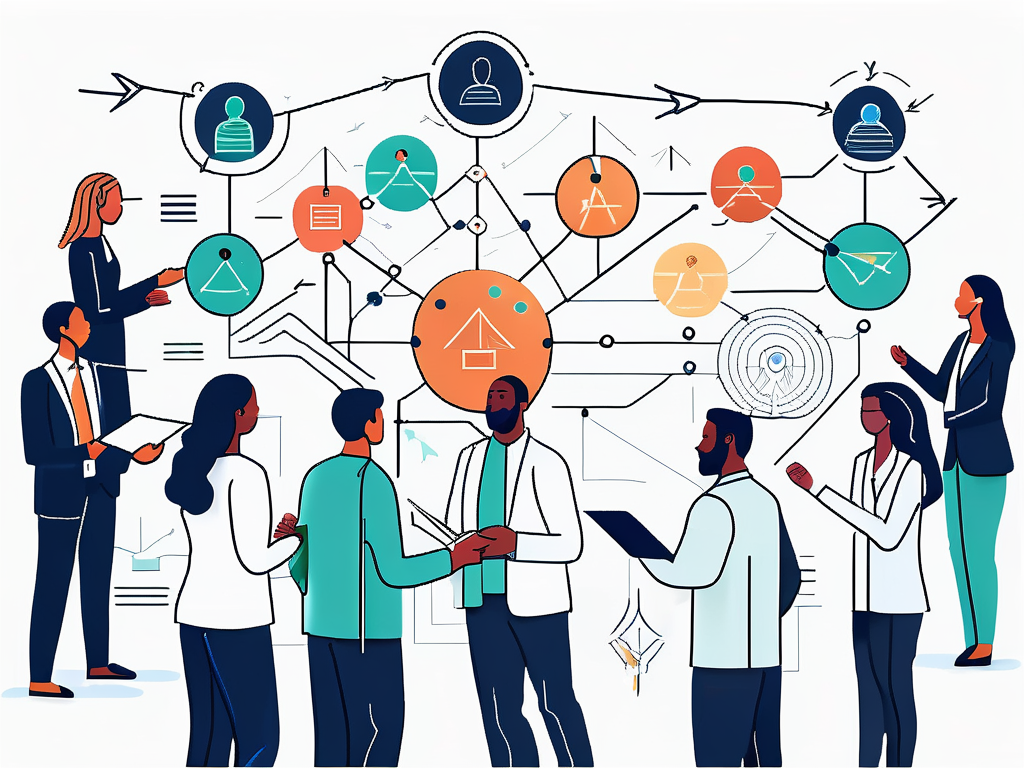
Research has shown that structured onboarding programs can lead to increased employee engagement, improved job performance, and higher retention rates. Conversely, inadequately designed onboarding experiences often result in confusion and disengagement, making it challenging for new employees to thrive.
What is the Role of Onboarding in Employee Success?
The onboarding process is the first step in an employee's career with the organization. It involves introducing them to company values, culture, and expectations. An effective onboarding program helps new hires feel included and valued from day one, fostering a sense of belonging that is crucial for employee morale.
Moreover, onboarding enhances productivity. By clearly defining roles and responsibilities, new employees can quickly begin to contribute meaningfully to their teams. Organizations that prioritize onboarding are positioned to cultivate a workforce that is both confident and competent.
In addition to the immediate benefits, onboarding can also create a ripple effect throughout the organization. When new hires feel supported and engaged, they are more likely to share their positive experiences with colleagues, enhancing team dynamics and promoting a collaborative work environment. This camaraderie can lead to increased innovation and creativity, as employees feel more comfortable sharing ideas and taking risks within a supportive framework.
Why Training is Crucial for Employee Development
Training goes hand-in-hand with onboarding, continuing the education process started during those initial days. It equips employees with the necessary skills and knowledge to excel in their specific roles. Regular training sessions also keep staff updated on industry trends and best practices, which is vital in today’s rapidly evolving work environment.
Furthermore, ongoing training initiatives demonstrate to employees that the organization is invested in their personal and professional growth. This investment not only boosts loyalty but also prepares a skilled workforce capable of adapting to changes and challenges.
Additionally, training programs can be tailored to meet the diverse needs of employees, catering to various learning styles and career aspirations. By offering a mix of hands-on workshops, online courses, and mentorship opportunities, organizations can create a dynamic learning environment that encourages continuous improvement. This flexibility not only enhances employee satisfaction but also fosters a culture of lifelong learning, where employees are motivated to pursue their own development paths and contribute to the overall success of the organization.
What are the Key Elements of an Effective Onboarding Process?
Developing an effective onboarding process involves several key elements. Organizations must focus on creating a welcoming environment, facilitating transparent communication, and providing the necessary tools for success.
A well-structured onboarding program also incorporates feedback mechanisms, allowing new employees to share their experiences and suggest improvements, thus continuously enhancing the process. By actively seeking input from new hires, organizations can identify areas for refinement and adapt their onboarding strategies to better meet the needs of future employees.
First Impressions: Making the First Day Count
The first day of an employee's journey is crucial. It’s the moment when they form their initial perceptions about the organization. Making these first impressions count is essential. Organizations should prepare for the arrival of new hires by ensuring that their workspaces are ready and welcoming.
In addition, leaders should connect with new employees on their first day, making them feel valued and important. Orientation sessions should provide not only administrative information but also insights into the company's mission, current projects, and team introductions to foster relationships early on. Engaging activities, such as icebreakers or team-building exercises, can further enhance camaraderie and help new hires feel like they are part of the team right from the start.
Building a Comprehensive Onboarding Plan
Creating a comprehensive onboarding plan requires careful planning and structure. Organizations should start by mapping out a timeline that spans the first few months of employment, highlighting critical milestones and learning objectives.
- Welcome packet and orientation schedule
- Mentorship or buddy programs
- Follow-up meetings at regular intervals
This structured approach aids in setting expectations and promoting engagement, ensuring that new employees remain motivated throughout the onboarding period. Furthermore, incorporating interactive training modules and hands-on experiences can significantly enhance the learning process. New hires should be encouraged to participate in job shadowing opportunities, allowing them to observe and learn from seasoned colleagues, which can help solidify their understanding of their roles and responsibilities.
Additionally, organizations should consider integrating technology into their onboarding processes. Utilizing digital platforms for training and communication can streamline the experience, making it easier for new employees to access resources and connect with their peers. Online forums or chat groups can serve as valuable spaces for new hires to ask questions and share insights, fostering a sense of community even before they fully integrate into the workplace culture.
Designing a Successful Employee Training Program
An employee training program is vital for enhancing skills and knowledge. Designing such a program requires careful consideration of both the organization’s needs and the employees’ aspirations.

Every training initiative should be aligned with organizational goals while also taking personal development into account. This balance is crucial for retaining talent and fostering a culture of continuous growth. In today’s fast-paced work environment, where technology and industry standards are constantly evolving, a well-structured training program can serve as a competitive advantage, allowing organizations to stay ahead of the curve while ensuring that employees feel valued and equipped for their roles.
Identifying Training Needs
Before implementing any training program, it is imperative to identify the specific training needs of employees. Conducting assessments such as surveys, interviews, and performance evaluations can reveal gaps in skills and knowledge that need addressing.
Moreover, engaging employees in discussions about their interests and aspirations can help tailor training initiatives that align with individual career goals, creating a more invested workforce. Additionally, analyzing industry trends and benchmarking against competitors can provide insights into emerging skills that may be beneficial for employees to acquire, ensuring that the training program remains relevant and forward-thinking.
Implementing a Continuous Learning Approach
Organizations that embrace a culture of continuous learning enhance employee empowerment and innovation. This approach encourages employees to take charge of their own development, thereby increasing engagement and effectiveness.
Creating learning pathways that include various formats—like workshops, online courses, and mentorship—enables employees to choose the training styles that suit them best. This flexibility not only supports individual learning preferences but also provides opportunities for advancement within the organization. Furthermore, incorporating technology such as Learning Management Systems (LMS) can streamline the training process, allowing for easy access to resources and tracking of progress. By fostering an environment where learning is not just an event but a continuous journey, organizations can cultivate a workforce that is not only skilled but also adaptable to change.
Leveraging Technology in Onboarding and Training
In the digital age, incorporating technology into onboarding and training processes can significantly enhance efficiency and engagement. Organizations that leverage technological tools can streamline these critical functions, making them more effective and user-friendly.
Various platforms and applications facilitate seamless experiences for both new hires and training participants, providing them with access to resources, assessments, and feedback tools at their fingertips.
Digital Tools for Streamlined Onboarding
Digital onboarding tools can provide virtual tours, e-document signing, training modules, and interfaces for communication. These tools not only reduce administrative burdens but also offer new employees engaging formats for their onboarding experience.
By utilizing automated systems, organizations can ensure that all necessary compliance paperwork is completed efficiently and that vital information is delivered consistently. Furthermore, these tools can incorporate gamification elements, turning mundane tasks into engaging challenges that motivate new hires to complete their onboarding process with enthusiasm. For instance, incorporating leaderboards or badges for completing various onboarding tasks can foster a sense of achievement and camaraderie among new employees, setting a positive tone for their journey within the company.
Online Platforms for Employee Training
Online training platforms have transformed the way organizations conduct employee training. They allow for flexibility in scheduling and pacing, accommodating various learning styles and preferences.
Additionally, these platforms often include interactive elements such as quizzes, discussions, and downloadable content that enrich the learning experience and help enhance retention of knowledge. Many platforms also leverage artificial intelligence to personalize the learning journey, adapting content to meet the specific needs and progress of each employee. This tailored approach not only boosts engagement but also ensures that training is relevant and applicable to the individual’s role, ultimately leading to improved performance and job satisfaction. Moreover, the ability to track progress and gather analytics allows organizations to identify skill gaps and adjust training programs accordingly, ensuring that their workforce remains competitive and well-equipped to meet evolving challenges.
How Do You Evaluate the Success of Onboarding and Training Strategies?
Evaluating the effectiveness of onboarding and training strategies is crucial for organizations aiming to maximize their return on investment. Regular assessments help identify areas for improvement and ensure that processes evolve with employee needs.
This continuous evaluation promotes a culture of refinement, where feedback is used constructively to enhance the experience for future employees.
Measuring Onboarding Effectiveness
To measure the effectiveness of the onboarding experience, organizations can utilize metrics such as retention rates, employee engagement scores, and performance outcomes. Surveys and focus groups can provide qualitative insights into the new hire experience.
Establishing a consistent feedback loop enables organizations to refine their onboarding processes continually, ensuring they remain aligned with employee needs and organizational goals.
Assessing the Impact of Training on Employee Performance
Similarly, evaluating the impact of training initiatives on employee performance involves analyzing productivity metrics, feedback from supervisors, and self-assessments by employees. Understanding how training translates into performance improvement helps justify investments in learning programs.
Organizations should celebrate successes and apply lessons learned from less effective initiatives, creating a dynamic environment that champions ongoing growth and learning.
References
Frögéli, Elin, et al. “Effectiveness of Formal Onboarding for Facilitating Organizational Socialization: A Systematic Review.” PLOS ONE, vol. 18, no. 2, 16 Feb. 2023, pmc.ncbi.nlm.nih.gov/articles/PMC9934447/, https://doi.org/10.1371/journal.pone.0281823.
Nagib, Nicole, et al. “Onboarding and Early Employment Experiences in Healthcare: Implications for Retention.” Health Services Management Research, 18 Oct. 2025, https://doi.org/10.1177/09514848251384273.
Mosquera, Pilar, and Maria Eduarda Soares. “Onboarding: A Key to Employee Retention and Workplace Well-Being.” Review of Managerial Science, vol. 1, no. 1, 25 Feb. 2025, link.springer.com/article/10.1007/s11846-025-00864-3, https://doi.org/10.1007/s11846-025-00864-3.
Lee, Zion. “Overcoming Challenges in Corporate Training: A Framework for Effective Training Initiatives.” Open Journal of Business and Management, vol. 11, no. 05, 1 Jan. 2023, pp. 2472–2487, www.scirp.org/journal/paperinformation?paperid=127999, https://doi.org/10.4236/ojbm.2023.115137